

Table of Contents
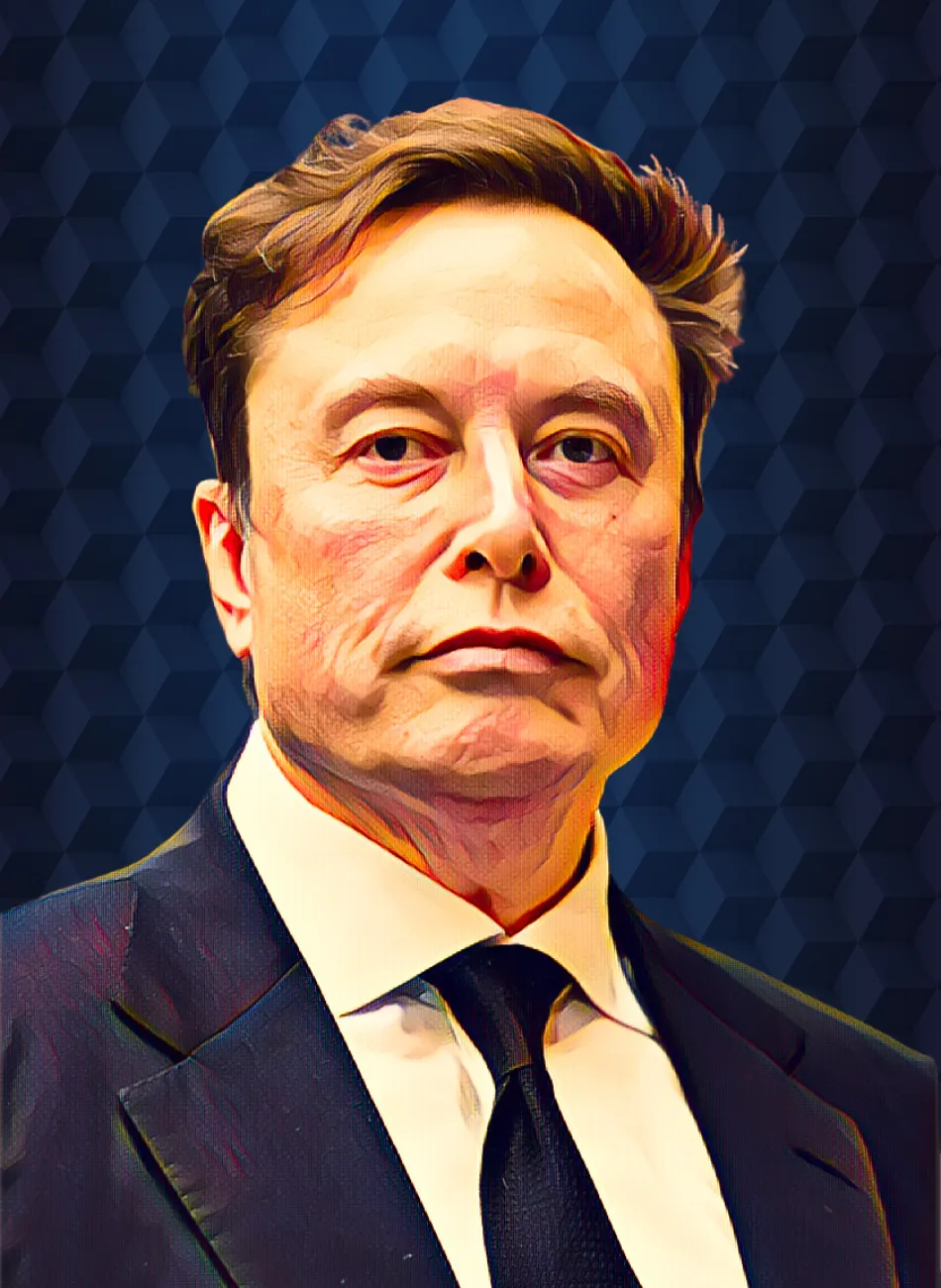
Elon Musk, the world's first and only trillionaire, has seen close to $100 billion in paper wealth evaporate in a matter of days as shares of SpaceX, the rocket company whose record-breaking initial public offering made him history's richest person, have fallen sharply from their post-listing highs on fears about a massive new debt issuance and concerns that the stock's opening week frenzy had disconnected its price from any credible fundamental anchor.
SpaceX, which trades on the Nasdaq under the ticker SPCX, listed on June 12, 2026 at $135 per share in the largest IPO in history, raising approximately $85.7 billion after underwriters exercised their full over-allotment option. The stock surged as much as 67 percent in its first week of trading, hitting an all-time high of $225.64 on June 16. By Monday June 22 it was trading at approximately $165, a decline of more than 26 percent from that peak in six days. At 4.76 billion shares held by Musk, the decline from peak to present represents a paper loss on his SpaceX position alone of approximately $288 billion. Adjusting for the fact that Musk's net worth never quite reflected the full peak price — his position is subject to lock-up restrictions that limit immediate selling — the more conservative calculation puts his net worth decline at approximately $100 billion to $200 billion from its briefly touched $1.4 trillion high following the IPO.
The immediate trigger for the selloff was a disclosure by SpaceX on June 22 that the company had launched an offering of senior unsecured notes worth at least $20 billion, just ten days after completing the largest equity raise in history. Wall Street's reaction was swift. Investors who had bought into the IPO expecting SpaceX to sit on the $85.7 billion in fresh equity capital it had just raised were rattled by the revelation that the company was simultaneously preparing to take on significant new debt. SpaceX disclosed it held approximately $100.8 billion in cash and cash equivalents as of June 19, suggesting the bond issuance was not driven by immediate operational need but rather by a strategic decision to lock in cheap debt at investment-grade rates, having received ratings from Moody's, Fitch and S&P Global with stable outlooks. That explanation has not fully calmed the market.
Tesla, which accounts for approximately 25 percent of Musk's total fortune through his roughly 11 percent shareholding and a 304-million option package from his 2018 compensation plan, added to the pain. Tesla shares fell in pre-market trading on Monday after Jefferies analyst Philippe Houchois reiterated a Hold rating and lowered his price target to $375 from the stock's recent trading range of approximately $400, warning of a 6 percent downside risk. Jefferies also raised what it called a structural concern: that growing market speculation about a potential Tesla-SpaceX merger could transform Tesla shares into a de facto tracking stock for SpaceX, disconnecting the company's valuation from its core automotive and energy business. That dynamic, in which Tesla moves not on its own earnings but on sentiment about a corporate action that has not been confirmed, adds volatility to a position that was already under pressure from SpaceX's correction.
The losses, while eye-catching in their scale, are paper declines rather than realised ones. Musk cannot liquidate his SpaceX position freely — the company's IPO lock-up restrictions limit insider selling for a period following the listing, meaning the bulk of his SpaceX wealth remains tied to a stock price he cannot easily exit. His net worth at the time of writing, according to the Bloomberg Billionaires Index, remains in the range of approximately $1.1 trillion to $1.2 trillion, a figure that still makes him not only the world's richest person but one who is worth approximately four times the second-richest person on the planet, Google co-founder Larry Page.
The volatility is a reminder that SpaceX's public listing, while it crystallised a real mark-to-market value for an asset that was previously priced only by private secondary transactions, also introduced a new kind of fragility to Musk's fortune. When SpaceX was private, its valuation changed only when a new funding round set a new price. Now that it trades daily on the Nasdaq, Musk's paper net worth moves with every tick of SPCX's share price. On days like Monday, that means losing tens of billions before the opening bell. On days like June 16, it meant briefly touching $1.4 trillion. Both are functions of the same mechanism: a stock market that has decided SpaceX is simultaneously the most exciting and the most contested valuation story in the world.
Morningstar's fair value estimate for SpaceX sits at approximately $63 per share, less than half the IPO price and less than half of today's depressed price. ARK Invest projects the stock could reach $3.1 trillion in total market capitalisation by 2030. The $2.3 trillion gap between those two projections from serious institutional analysts reflects genuine uncertainty rather than a spreadsheet error. SpaceX earned approximately $18.67 billion in revenue in its most recent financial year, against a market capitalisation that briefly exceeded $2.7 trillion. By revenue multiple, it was valued at more than Meta, Microsoft and Amazon on a pro-rata basis. Whether the current correction is a healthy normalisation of that excess or the beginning of a larger repricing is the question every SpaceX shareholder is now sitting with.
For Musk, the answer matters more than for anyone else. At 4.76 billion shares of SpaceX and approximately 11 percent of Tesla, every dollar move in either stock translates into billions of dollars gained or lost on paper before markets close. The week that made him a trillionaire and the week that followed have demonstrated, more vividly than any theoretical discussion of wealth concentration ever could, what it means to hold the world's most volatile fortune.
The intelligence satisfies curiosity. The paid briefings satisfy strategy.
Every Monday, Elite subscribers receive an Investor Memo breaking down the deal, the structure and the positioning behind the week's most consequential African wealth story - the kind of analysis that doesn't appear anywhere else.
Twice a month, a Wealth Intelligence brief profiles a single billionaire's holdings, cash flows and expansion pipeline in detail no public source matches.
→ Executive ($25/mo): Daily newsletter + Deep-Dive Reports
→ Elite ($75/mo): Everything above + Investor Memos + Wealth Intelligence + Quarterly Analyst Briefings
Subscribe now