

Table of Contents
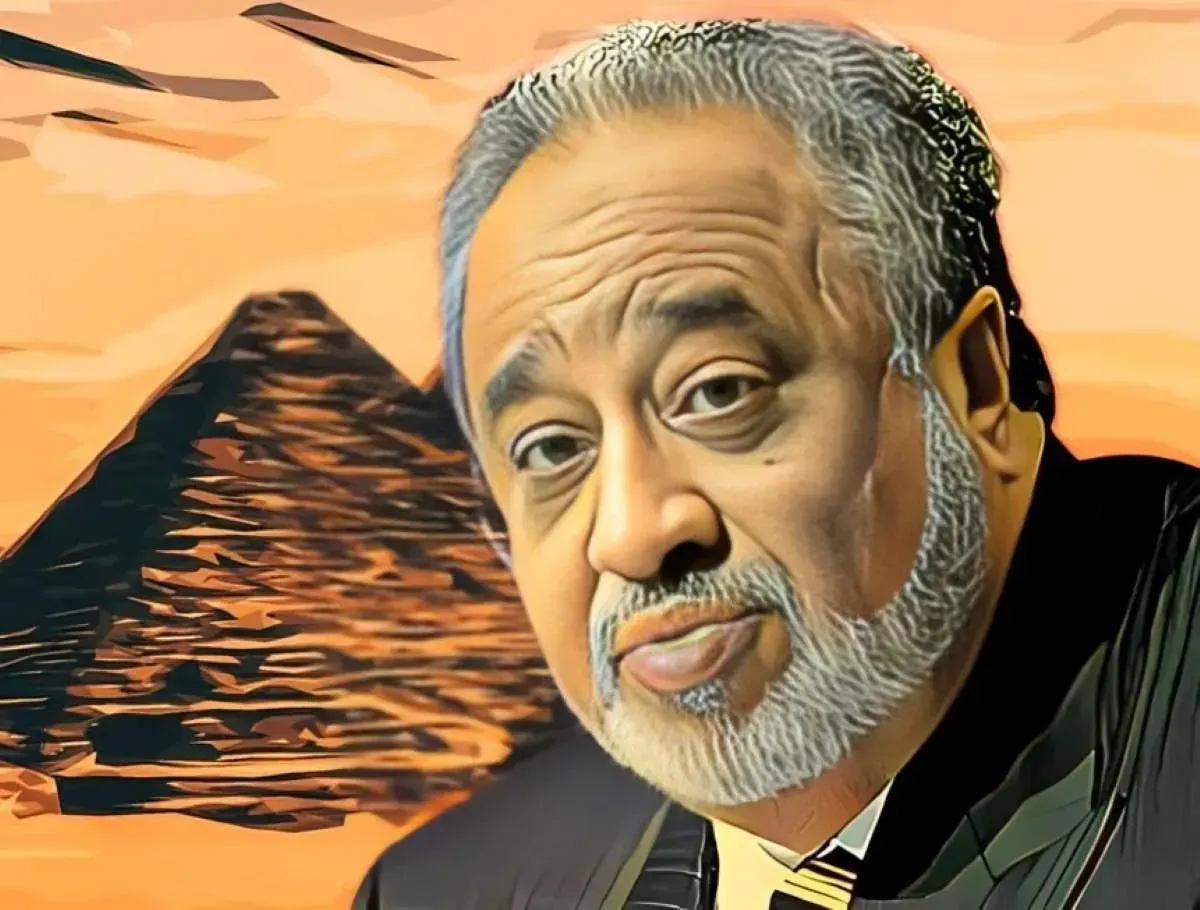
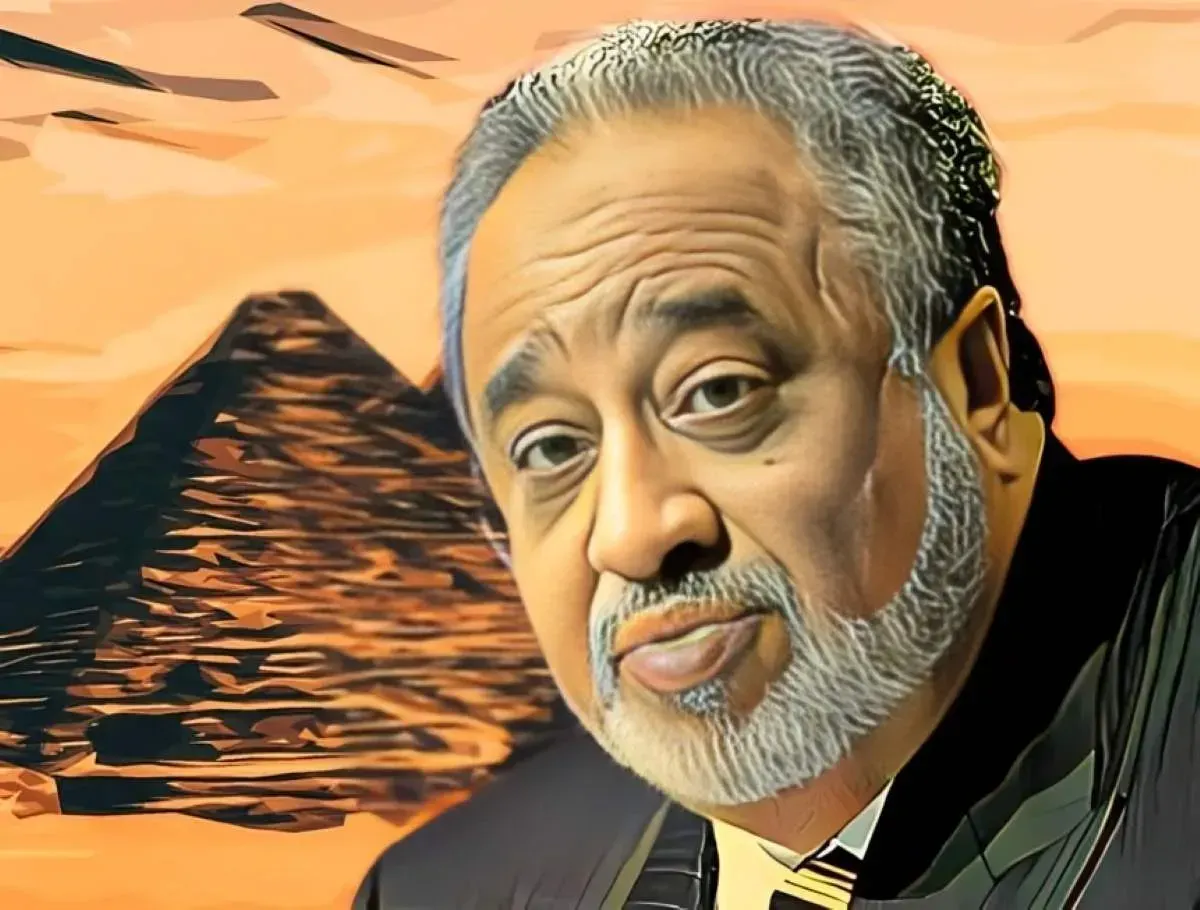
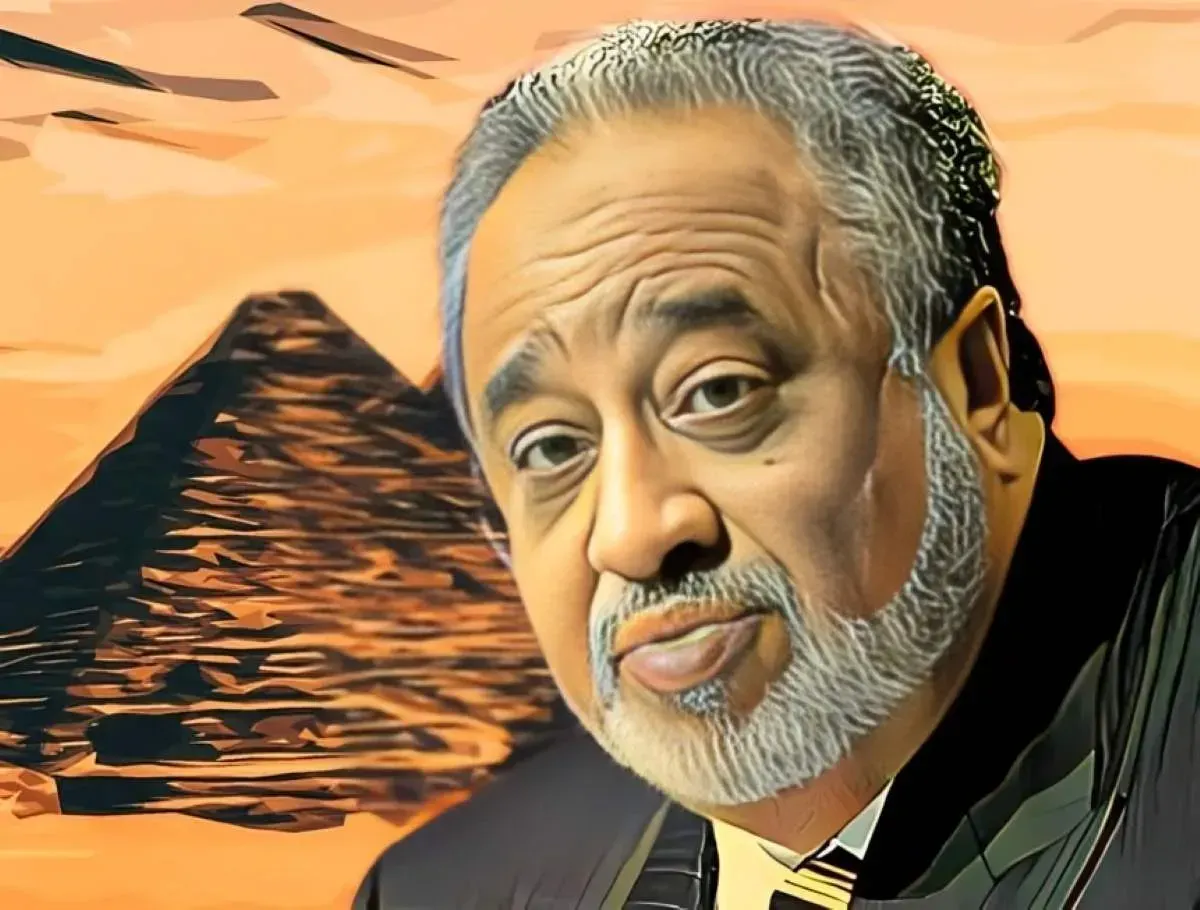
Morocco's parliament has rejected a proposal to renationalise the SAMIR oil refinery, keeping the shuttered facility closed a decade after it collapsed under more than $4 billion in debt accumulated during the ownership of Ethiopian-born Saudi billionaire Mohammed Hussein Al-Amoudi, whose Corral Morocco Holdings controlled the plant from 1997 until its 2016 bankruptcy brought proceedings to a halt.
The rejection was reported by Morocco's state news agency MAP on June 18. Lawmakers in the upper house who submitted the proposal argued that bringing the refinery back under state control would strengthen Morocco's fuel reserves and improve supply stability at a moment when the country is spending approximately 3 billion dirhams ($330 million) per month to subsidise fuel prices, a figure driven sharply higher by disruptions to shipping routes since the de facto closure of the Strait of Hormuz. Those who opposed the proposal cited the risks attached to ongoing international arbitration proceedings and the scale of the debt still encumbering the facility.
The rejection ends the latest political attempt to resolve a dispute that has defined Moroccan energy policy for more than a decade, polarised the country's labour movement, and placed Al-Amoudi at the centre of one of the most protracted billionaire-state legal confrontations in Africa's recent corporate history.
Al-Amoudi acquired Morocco's two largest oil refineries in 1999 through his energy holding vehicle Corral Morocco Holdings and merged them to create SAMIR, which became the country's sole petroleum refining facility with a capacity of 200,000 barrels per day. At its peak, the facility supplied approximately 65 percent of Morocco's domestic fuel demand, a strategic position that made it one of the most consequential industrial assets in North Africa. The refinery was built by the Moroccan state in 1959 and remained state-owned until its 1997 privatisation, when Al-Amoudi's Corral group entered as the buyer.
The collapse was years in the making. SAMIR accumulated debts exceeding 40 billion dirhams ($4 billion) across Moroccan and international banks, with approximately 40 percent owed to the state through the customs administration alone. Banque Populaire held claims of approximately 2 billion dirhams ($200 million). The Casablanca Commercial Court ordered judicial liquidation in 2016 after finding the company unable to service its obligations, and subsequently held the facility's former management, including Al-Amoudi, responsible for the financial collapse. Hundreds of former employees, backed by national labour unions, have demonstrated regularly in the years since, demanding the reopening of the site and the reinstatement of their jobs.
Al-Amoudi's response to the liquidation was to pursue an aggressive international legal strategy. Through Corral Morocco Holdings, he filed a $2.7 billion compensation claim against Morocco at the International Centre for Settlement of Investment Disputes in Washington, arguing that the Moroccan state had violated his investment rights in the facility. Morocco rejected the claim in arbitration proceedings, accusing Al-Amoudi of blackmail and illegal manoeuvres designed to obstruct SAMIR's liquidation. In 2024, ICSID dismissed the arbitration claim entirely, closing off what had been a live possibility of a significant recovery for Al-Amoudi on his Moroccan losses. It was one of the more consequential setbacks in his legal career and contributed directly to his continued absence from the Forbes 2026 billionaires list, even as Bloomberg's Billionaires Index tracks his net worth at approximately $9.3 billion.
The most recent private sector attempt to break the deadlock also failed. In February 2026, Dubai-based MJM Investments submitted a $3.5 billion offer to acquire SAMIR's industrial assets through the court-supervised liquidation process. The Casablanca Commercial Court declared the bid inadmissible the same month, finding that the conditions attached by the investor were incompatible with the terms of the court-supervised sale process.
Morocco's dependence on imported fuel has become more acute since the Strait of Hormuz disruption, which has sharply raised the cost and complexity of fuel import logistics. The SAMIR facility's location in the Atlantic port city of Mohammedia, its existing 200,000 barrel-per-day capacity and its integration into Morocco's fuel distribution infrastructure make it a theoretically attractive asset for any credible buyer willing to address the debt overhang and absorb the operational investment required to restart operations. The practical barriers, including unresolved creditor claims, the still-contested legacy of the liquidation proceedings, and the unresolved question of Al-Amoudi's obligations under the court's findings, have so far made that theoretical attractiveness impossible to translate into a completed transaction.
Al-Amoudi, 79, remains one of Africa's wealthiest individuals despite the losses associated with SAMIR and the significant asset restructuring he has undergone since his detention in Saudi Arabia in November 2017 and his release in January 2019. His broader portfolio spans the MIDROC Group's extensive Ethiopia operations across gold mining, agriculture, construction and manufacturing, Saudi-based Naft Services fuel distribution, and a minority stake in Swedish infrastructure group Granitor. He sold Preem, Sweden's largest oil refinery, to Switzerland-based VARO Energy in a deal that closed in 2025. SAMIR, the Moroccan refinery that was once the crown jewel of his energy empire, remains closed, indebted and legally encumbered, a monument to one of the most consequential ownership failures in African industrial history.
The intelligence satisfies curiosity. The paid briefings satisfy strategy.
Every Monday, Elite subscribers receive an Investor Memo breaking down the deal, the structure and the positioning behind the week's most consequential African wealth story - the kind of analysis that doesn't appear anywhere else.
Twice a month, a Wealth Intelligence brief profiles a single billionaire's holdings, cash flows and expansion pipeline in detail no public source matches.
→ Executive ($25/mo): Daily newsletter + Deep-Dive Reports
→ Elite ($75/mo): Everything above + Investor Memos + Wealth Intelligence + Quarterly Analyst Briefings
Subscribe now