

Table of Contents
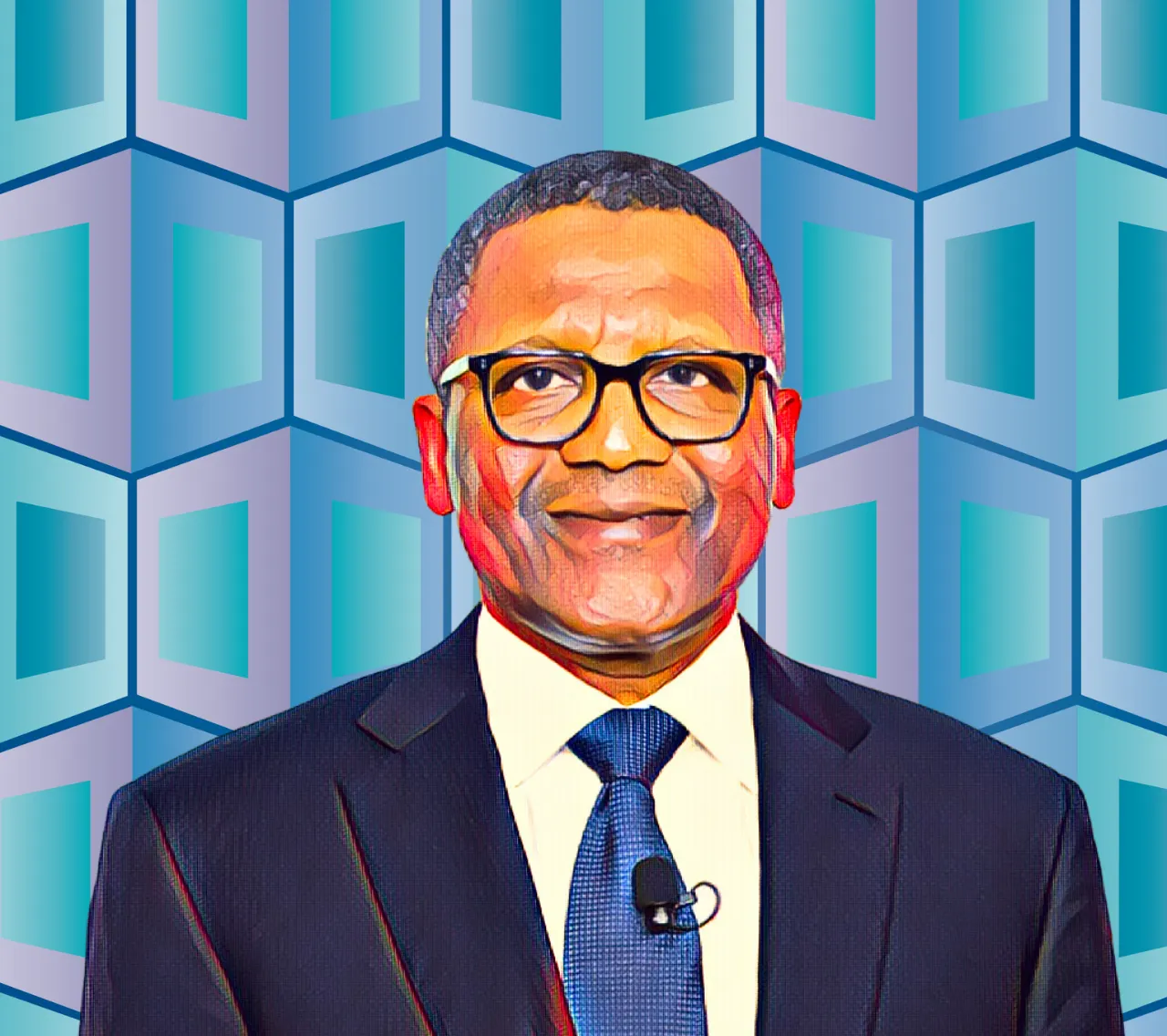
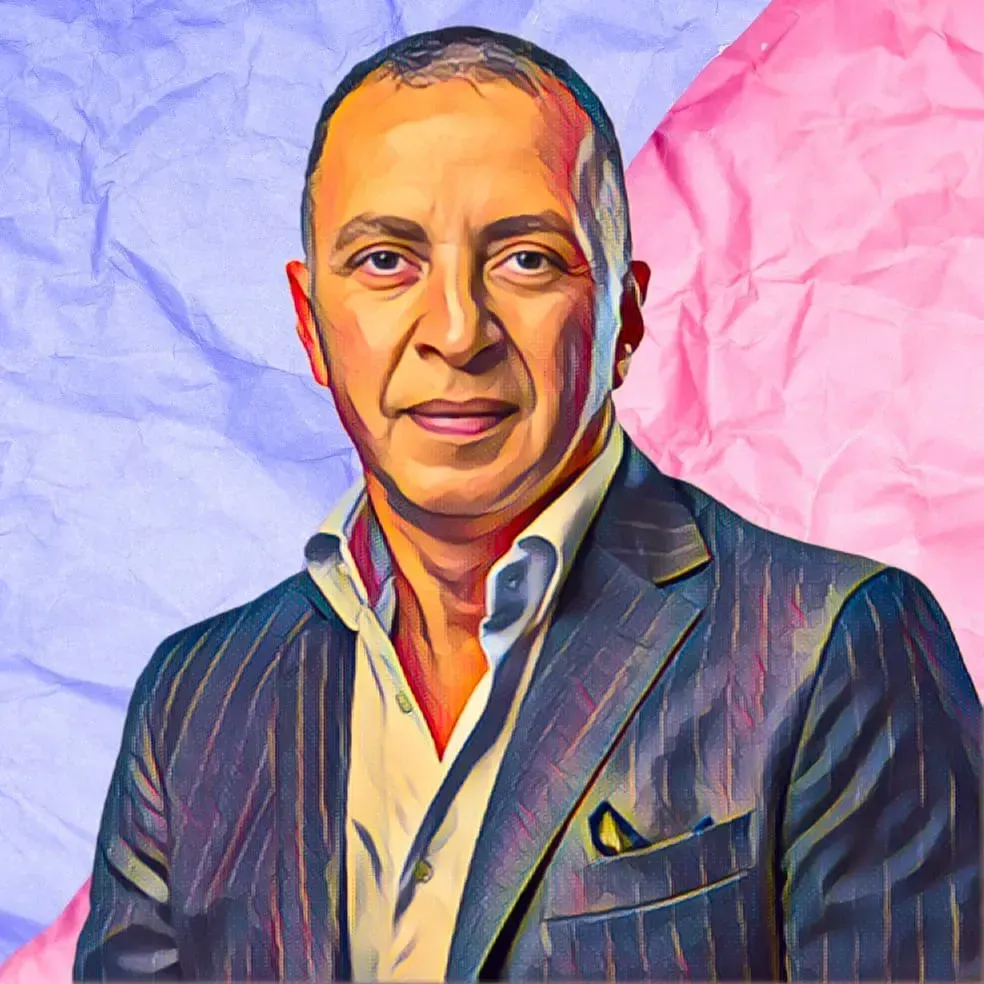
Abdul Samad Rabiu, chairman of BUA Group and Africa's third richest man, has submitted a bid of approximately $1.1 million to acquire a 70 percent controlling stake in Kano Pillars Football Club, in a proposal now under consideration by the Kano State Government that could mark one of the most significant private sector investments in Nigerian club football history.
Under the terms of the offer, Rabiu would take majority ownership of the four-time Nigeria Premier Football League champions while the Kano State Government retains the remaining 30 percent stake if the proposal is approved. Neither BUA Group nor the state government has released detailed terms of the transaction, but sources familiar with the matter say consultations between the two sides are ongoing. The state government has not yet officially accepted or rejected the offer.
The bid arrives days after Kano State Governor Abba Kabir Yusuf approved the appointment of a new Kano State Sports Commission and a fresh management board for Kano Pillars, part of a broader push to revitalise sports administration in the state. The newly constituted board has been mandated to restore the club's competitiveness, strengthen its administrative structure and reposition it as one of Africa's leading football institutions. Observers say the reported Rabiu proposal fits squarely within that reform agenda, which has emphasised attracting credible private investors capable of supporting long-term growth.
Founded in 1990, Kano Pillars remain one of Nigeria's most decorated football clubs, winning four consecutive Nigeria Premier League titles between 2012 and 2014 and consistently representing Nigeria in CAF continental competitions. Known for their passionate supporters and the intimidating atmosphere at the Sani Abacha Stadium, the club has produced several national team players and remains one of the country's biggest football brands. Like most state-owned Nigerian clubs, however, Kano Pillars has experienced fluctuating fortunes in recent seasons, with financial constraints and administrative instability affecting on-field performance.
The proposal lands at a moment when the debate over private ownership in Nigerian football has gained fresh momentum. Most NPFL clubs remain heavily dependent on state government funding, leaving them vulnerable to budget constraints, political transitions and inconsistent financial support. Sports administrators and economists have argued for years that attracting strategic private investors would allow clubs to operate with greater commercial efficiency, improve infrastructure, expand sponsorship and broadcast partnerships, and strengthen youth development pipelines. A successful Rabiu acquisition could become one of the clearest examples yet of that thesis being tested at scale in Nigerian club football.
Rabiu is best known for his industrial empire, which spans cement, sugar, flour and infrastructure manufacturing under BUA Group, alongside his philanthropic work through the Abdul Samad Rabiu Africa Initiative. A successful Kano Pillars acquisition would represent one of his most prominent direct investments outside his core industrial businesses and one of the most high-profile individual sports ownership moves by a Nigerian billionaire to date. Sports economists believe an investor of Rabiu's financial standing could bring modern corporate governance, improved player welfare standards, stronger commercial operations and meaningful infrastructure upgrades to a club that has long operated under the constraints of state budgets.
The reported bid has generated mixed reactions among Kano Pillars supporters. Many fans have welcomed the prospect of substantial private investment capable of restoring the club to its former glory, while others have urged the state government to weigh carefully the long-term implications of relinquishing majority control of one of Kano's most treasured sporting institutions. Supporters have called for transparency throughout the negotiation process and insisted that any eventual agreement protect the club's heritage and its connection to its loyal fan base.
The proposal also lands against the backdrop of broader reform efforts across Nigerian domestic football. The National Sports Commission and the Nigeria Football Federation recently approved a new minimum monthly salary structure for NPFL players alongside enhanced financial incentives for clubs, part of a wider push to professionalise the league. Should the Kano State Government approve Rabiu's proposal, the transaction could become a landmark moment in the evolution of Nigerian club ownership, potentially encouraging other wealthy investors to follow his lead into a sector that has historically struggled to attract serious private capital.
For now, the decision rests with Kano State authorities, who are expected to evaluate the proposal carefully before reaching a final determination on what could become one of the most consequential investment decisions in the club's 36-year history.
The intelligence satisfies curiosity. The paid briefings satisfy strategy.
Every Monday, Elite subscribers receive an Investor Memo breaking down the deal, the structure and the positioning behind the week's most consequential African wealth story - the kind of analysis that doesn't appear anywhere else.
Twice a month, a Wealth Intelligence brief profiles a single billionaire's holdings, cash flows and expansion pipeline in detail no public source matches.
→ Executive ($25/mo): Daily newsletter + Deep-Dive Reports
→ Elite ($75/mo): Everything above + Investor Memos + Wealth Intelligence + Quarterly Analyst Briefings
Subscribe now