

Table of Contents
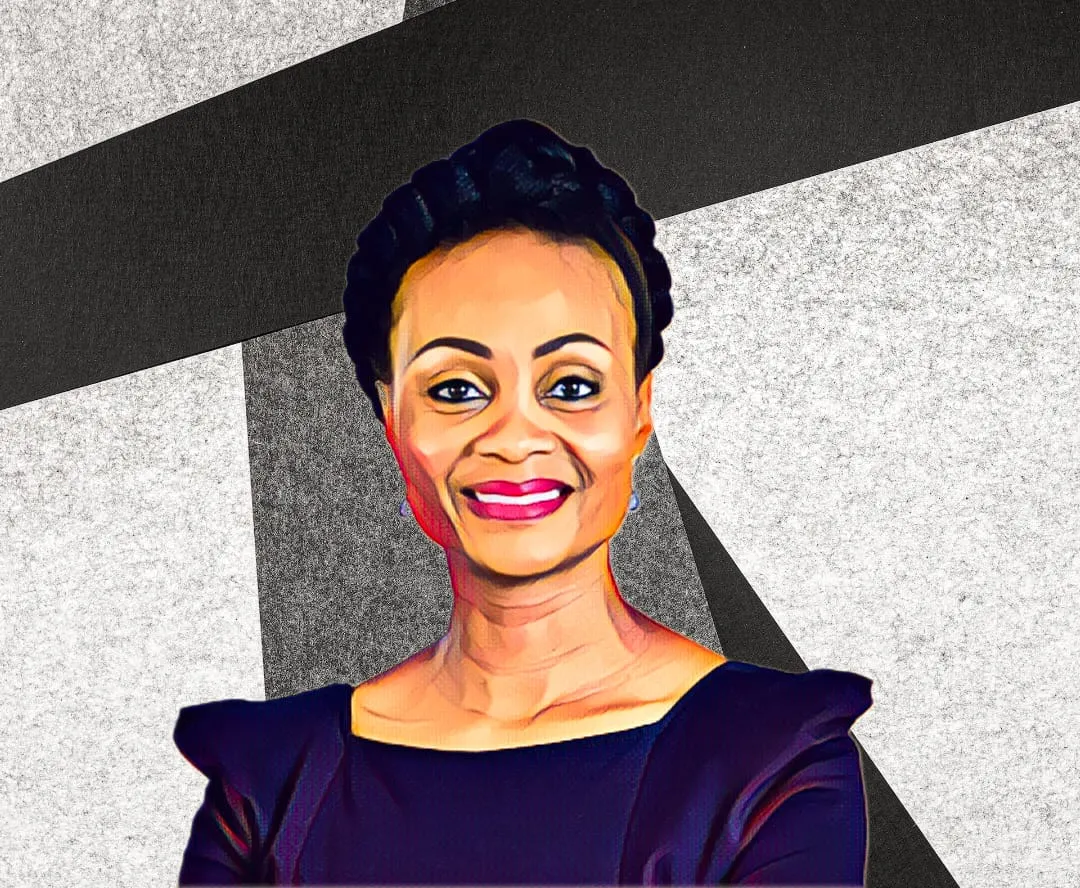
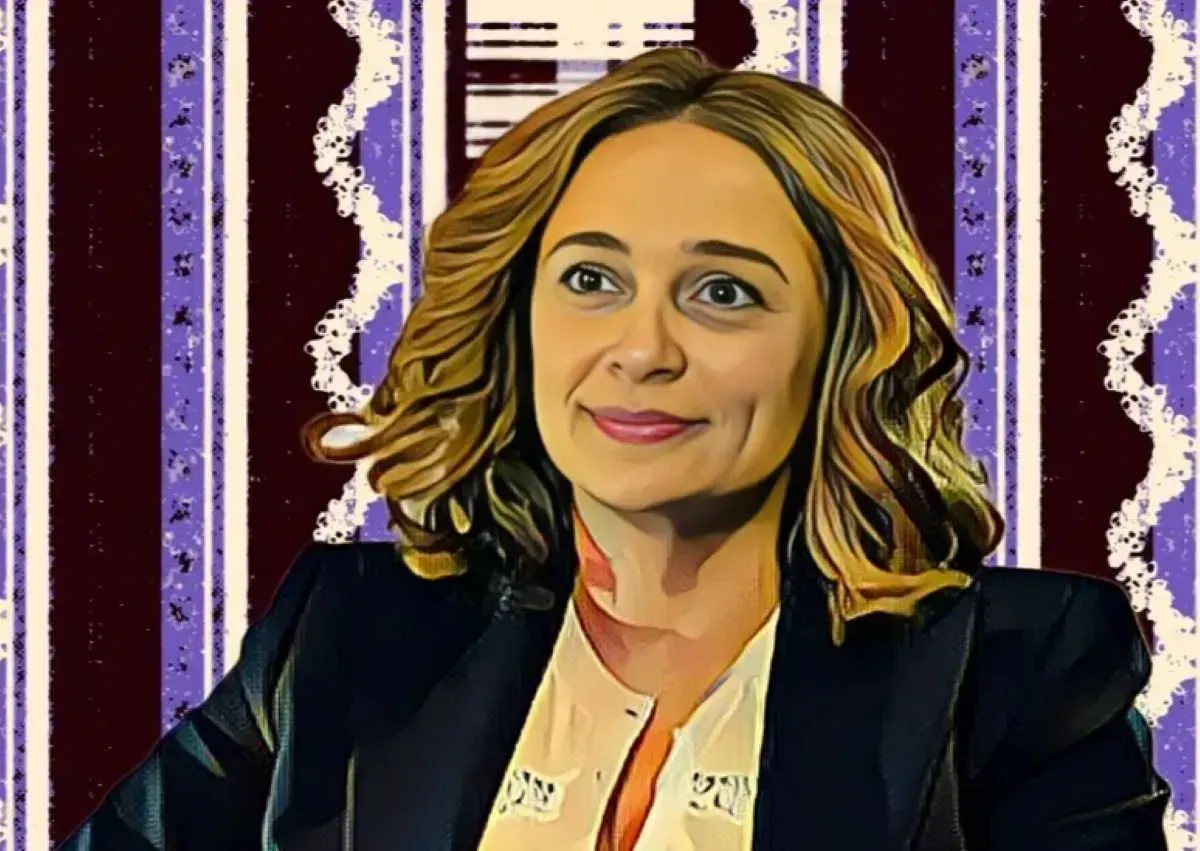
Unitel, Angola's largest telecommunications company and once a pillar of Isabel dos Santos's business empire, will launch a roadshow next week for an initial public offering, moving the state closer to selling shares in an asset it stripped from Africa's first female billionaire.
The company said in a statement that it is preparing to float shares on Angola's local exchange and will begin marketing the offer to investors in the coming days. The government plans to sell about 15 percent of Unitel on the Angolan Debt and Securities Exchange, known as BODIVA, with a slice of the shares set aside for employees.
The listing is the centrepiece of Angola's privatisation programme, ProPriv, which aims to reduce the state's grip on strategic industries and deepen a stock market that remains small and thinly traded. Officials have described the Unitel sale as a milestone for the country's capital markets.
The offering is also a public marker of how much dos Santos has lost. She once held 25 percent of Unitel through her investment vehicle Vidatel, part of a controlling private bloc that also included General Leopoldino Fragoso do Nascimento, known as Dino. In October 2022, the Angolan state seized those stakes and took full ownership of a company that then counted about 30 million subscribers and an 80 percent share of the market.
The seizure was part of a broader campaign against dos Santos, the daughter of former President Jose Eduardo dos Santos, who ruled Angola for 38 years. Once ranked by Forbes as Africa's richest woman with a fortune above $2 billion, she has denied wrongdoing and says she is the target of a politically driven campaign by the government of President Joao Lourenco.
Her legal troubles have multiplied. In December 2023, a London court froze more than $700 million of her assets in a dispute with Unitel over defaulted loans. In 2025, a court in the Netherlands found her liable for embezzling about $61 million from Sonangol, the state oil company she once chaired. She has continued to contest the cases from Dubai, where she has been living.
Unitel has spent months preparing for the market. The operator raised its share capital sharply this year, converting accumulated reserves to about 250 billion kwanza, a step companies often take to tidy their balance sheets before a listing. The privatisation agency has said the sale forms part of a pipeline that could eventually touch scores of state assets.
The company remains central to Angola's economy and its financial system. Beyond mobile service, Unitel holds a controlling stake in Banco de Fomento Angola, one of the country's most profitable banks, whose own partial listing has been moving through the market. That cross-holding makes Unitel's flotation a test of investor appetite for large Angolan offerings.
The timing carries political weight. Lourenco has staked much of his reputation on selling state assets, attracting foreign capital and signalling a break from the patronage that defined his predecessor's rule. A successful Unitel listing would hand him a visible win, while a weak reception would raise questions about the depth of Angola's markets.
Details still to be confirmed include the price range, the valuation the government is targeting and the exact date shares will begin trading. The company said those specifics would follow the roadshow, during which management pitches the offer to institutional and retail investors.
The sale underscores how thoroughly control of Unitel has changed hands. Built into a dominant carrier during the dos Santos era, the company is now managed on behalf of the state and is being opened, in part, to ordinary Angolan shareholders. The 2 percent reserved for employees is a nod to that shift.
dos Santos, for her part, has vowed to fight on. She has argued in interviews and court filings that her assets were expropriated without due process and that the campaign against her is meant to erase her family's influence rather than recover public money.
What began as a family-controlled telecoms champion is now set to become one of the first big names on Angola's fledgling exchange. Whether investors reward the offering will say as much about confidence in Lourenco's reform drive as it does about the company dos Santos once ran.
The intelligence satisfies curiosity. The paid briefings satisfy strategy.
Every Monday, Elite subscribers receive an Investor Memo breaking down the deal, the structure and the positioning behind the week's most consequential African wealth story - the kind of analysis that doesn't appear anywhere else.
Twice a month, a Wealth Intelligence brief profiles a single billionaire's holdings, cash flows and expansion pipeline in detail no public source matches.
→ Executive ($25/mo): Daily newsletter + Deep-Dive Reports
→ Elite ($75/mo): Everything above + Investor Memos + Wealth Intelligence + Quarterly Analyst Briefings
Subscribe now