


Table of Contents
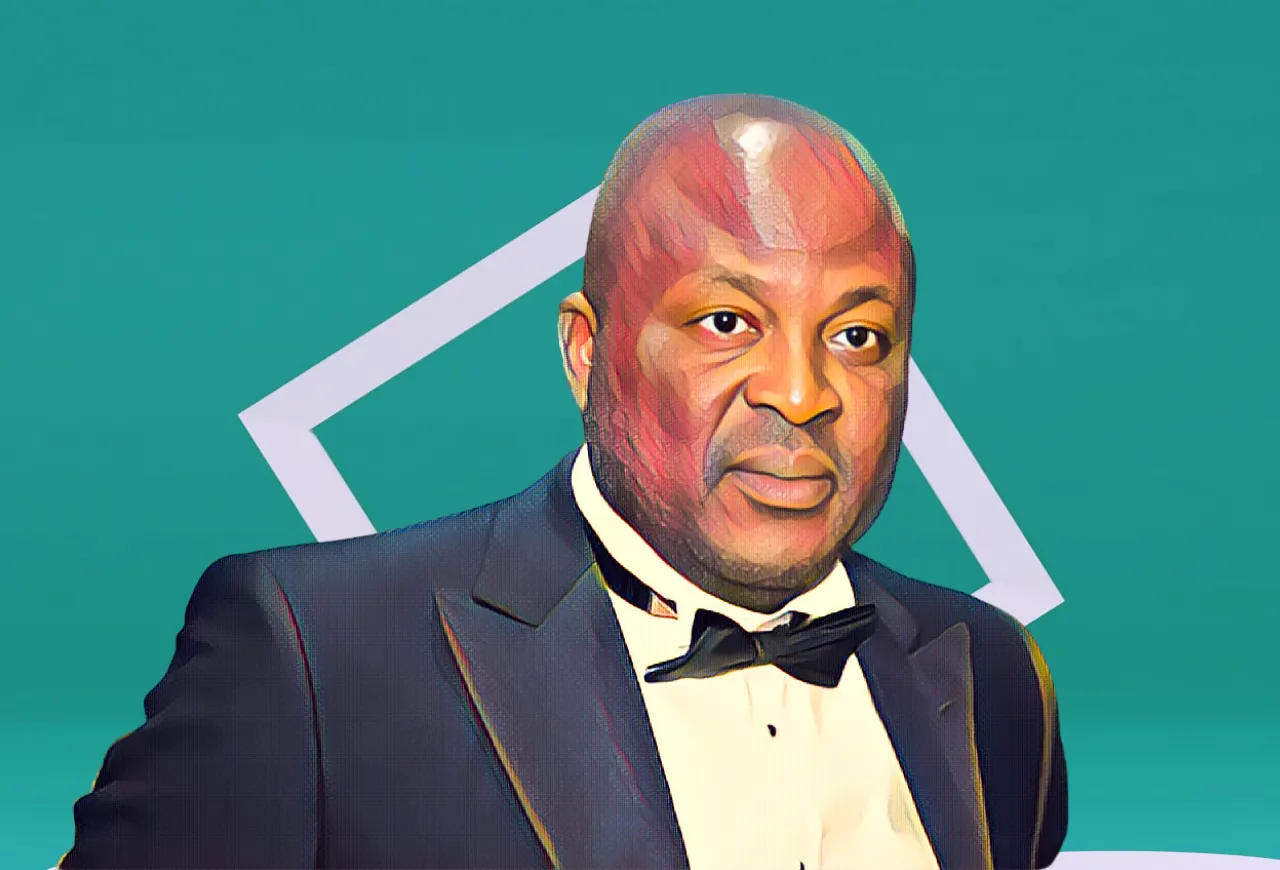
UTM FLNG, the company controlled by Nigerian gas tycoon Julius Rone, has signed a 15-year agreement securing the feed gas for what will be Nigeria's first floating liquefied natural gas plant, removing one of the last obstacles between the project and a final investment decision.
The Wet Gas Sale and Purchase Agreement was executed Tuesday on the sidelines of Nigeria Oil and Gas Energy Week in Abuja. Under it, the joint venture between NNPC Limited and Seplat Energy Producing Nigeria Unlimited will supply 200 million standard cubic feet of gas a day over 15 years.
Feed gas security is the piece lenders insist on. Banks rarely commit billions to a liquefaction plant without knowing where the gas will come from and for how long. The agreement gives UTM a clear line of sight to a final investment decision in the fourth quarter of this year.
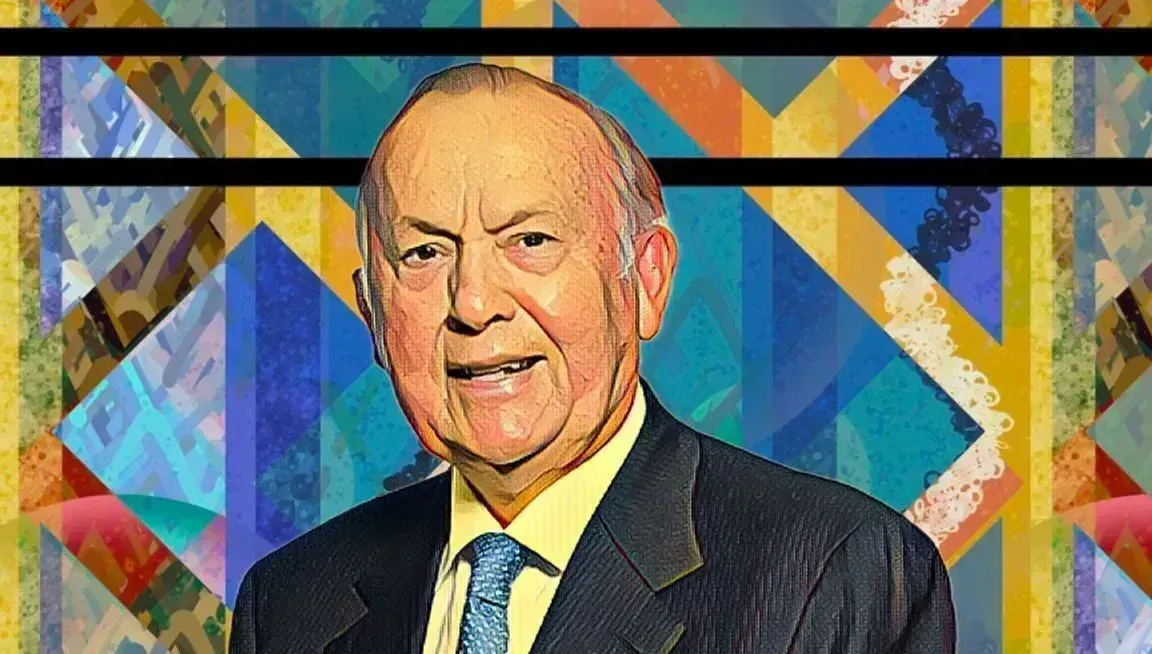
Rone, group managing director of UTM Offshore and promoter shareholder of UTM FLNG, called the signing a defining moment for the country's first indigenous floating LNG project. He said the long-term commitment establishes the commercial certainty needed to unlock financing, begin construction and eventually ship cargoes to international buyers, and that it substantially de-risks the venture.
Bayo Ojulari, group chief executive of NNPC Limited, described the deal as a breakthrough in Nigeria's push to commercialise its gas. He said it creates predictable revenue, assures LNG buyers of stable supply and gives lenders the confidence they need on long-term viability. The agreement fits a government mandate to lift domestic gas use by 2030 under the Decade of Gas programme.
Ekperikpe Ekpo, the minister of state for gas, said the federal government would keep providing an enabling environment through better infrastructure, regulatory clarity and investment incentives, and would continue working with investors to unlock the value locked in Nigeria's gas reserves.
The gas will come from OML 104, the Yoho Field offshore Akwa Ibom State. A floating liquefaction vessel will process it at sea, producing 1.8 million tonnes of LNG a year without the need for a large onshore plant.
The seller is a familiar asset under a new name. Seplat Energy Producing Nigeria Unlimited is the former Mobil Producing Nigeria Unlimited, which Seplat bought from ExxonMobil in December 2024 for about $800 million. The purchase handed Seplat a 40 percent operated interest in OML 104 and the Yoho floating storage vessel, alongside three other leases. Nigeria's largest independent producer will now feed the country's first indigenous liquefaction project.
Much of the technical work is behind them. The project dates to 2021, when pre-front-end engineering design was completed. Front-end design followed in October 2023, carried out by JGC and Technip Energies, with KBR serving as owner's engineer. The Nigerian Midstream and Downstream Petroleum Regulatory Authority issued a licence to construct in 2024, and the Nigerian Content Development and Monitoring Board approved the local content plan for the engineering, procurement and construction phase.
Ownership splits three ways. UTM Offshore holds 72 percent, NNPC Limited 20 percent and the Delta State Government the remaining 8 percent.
Money has been lined up in stages. Afreximbank is lead financier, mobilising $2 billion for the first phase, with a further $3 billion earmarked for the second.
The domestic case has always been the sharper one. Nigeria is Africa's largest crude producer yet imports cooking gas, and the plant is designed to send 300,000 tonnes of liquefied petroleum gas a year into the local market. Rone has said that volume alone would end about a quarter of the country's LPG imports.
The reserves behind it run to 2.2 trillion cubic feet, enough to keep the vessel running for roughly two decades. The company has projected about 15,000 jobs across construction and operations.
Rone's route to this deal ran through Nigeria's development bureaucracy. He worked at the Oil Mineral Producing Areas Development Commission and later the Niger Delta Development Commission before taking charge of the UTM Group in 2008, building it into a maritime and offshore logistics contractor serving the oil industry. He turned the business toward gas, picked up the nickname the Gas King along the way, and holds the national honour of Officer of the Order of the Niger.
Nigeria has reason to want the project to work. The country runs one liquefaction complex, the onshore Nigeria LNG plant at Bonny Island, while Mozambique, Senegal and Mauritania have been moving quickly to bring their own gas to market. A floating vessel lets Nigeria monetise offshore fields that would never justify building a terminal on land.
What remains is the decision itself. Rone said in February that construction would begin this year, and the company has been in pre-construction since finishing its engineering work. The final investment decision, now targeted for the fourth quarter, will settle whether steel starts moving.
The intelligence satisfies curiosity. The paid briefings satisfy strategy.
Every Monday, Elite subscribers receive an Investor Memo breaking down the deal, the structure and the positioning behind the week's most consequential African wealth story - the kind of analysis that doesn't appear anywhere else.
Twice a month, a Wealth Intelligence brief profiles a single billionaire's holdings, cash flows and expansion pipeline in detail no public source matches.
→ Executive ($25/mo): Daily newsletter + Deep-Dive Reports
→ Elite ($75/mo): Everything above + Investor Memos + Wealth Intelligence + Quarterly Analyst Briefings
Subscribe now