


Table of Contents
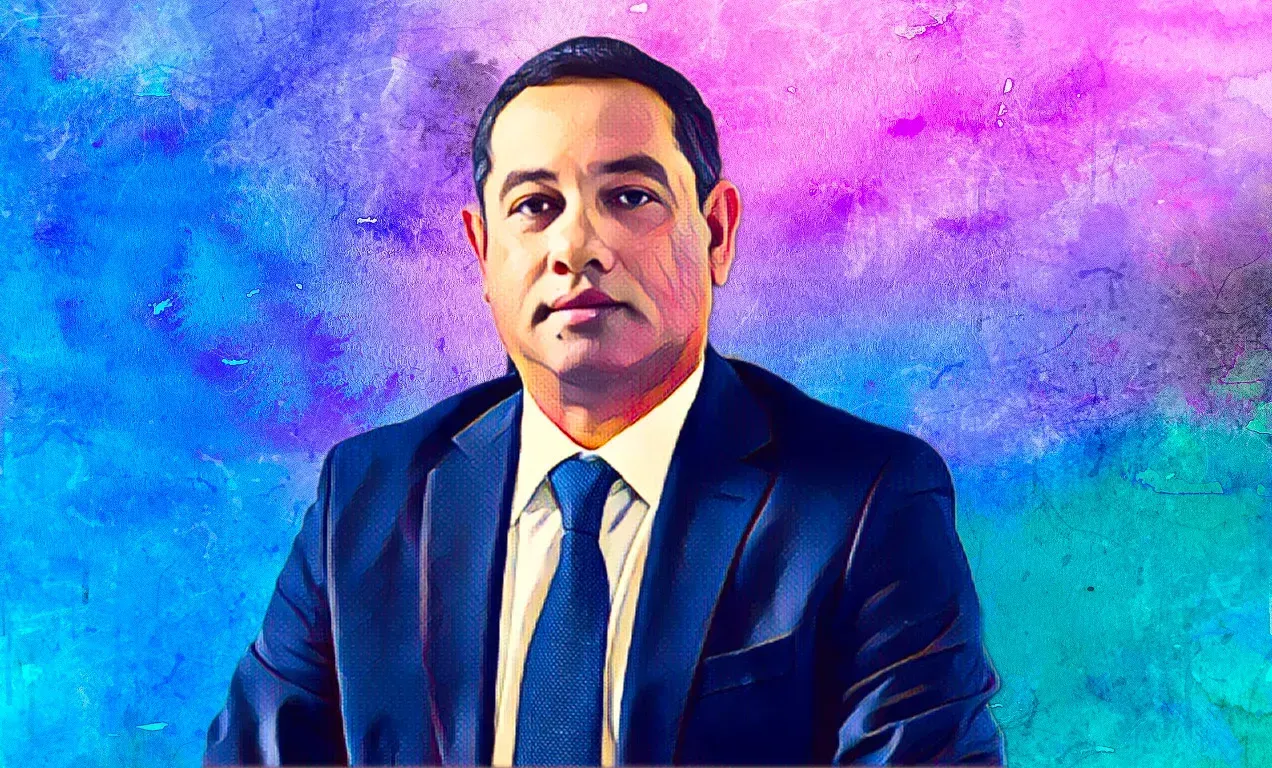
Mohammed Dewji is steering his MeTL Group into two of the fastest-moving corners of the African economy at once, backing electric-vehicle minerals and high-end travel in a bet designed to reshape the conglomerate over the next decade.
The Tanzanian tycoon plans to commit about $275 million to a graphite project, tapping into the global race for materials that feed electric-vehicle batteries. He told Bloomberg in an interview at the news agency's Cape Town office that he expects to begin producing graphite from mines he has already acquired within roughly 18 months.
The timing is deliberate. Automakers and governments are scrambling to secure battery inputs from outside China, which dominates both mining and processing of the mineral. Dewji is positioning MeTL as one of the suppliers that can help fill that gap, and he says he is in close contact with European partners to pin down the exact grade of product they need. Members of his team are in China studying the market.
Demand looks set to outrun supply. Analysts project the graphite market will tip into deficit in the early 2030s as the energy transition accelerates, and much of today's output is synthetic graphite made from petroleum coke rather than mined from the ground. That leaves room for new natural-graphite producers to move in, and Dewji intends to be among them.
The mining push sits inside a much larger ambition. Dewji wants to more than triple MeTL's revenue to $10 billion by 2035, and he is spreading his bets to get there. Alongside graphite, he is expanding into farming and leaning into a hospitality drive that mirrors a broader rush of wealthy investors into African luxury travel.
That second bet is already taking physical shape. Dewji has bought a 150-hectare island near Zanzibar, off Tanzania's east coast, and is in talks with a global hospitality group to build an ultra-luxury resort there. The move plays to a market that many investors see as one of the last underpenetrated frontiers for high-end tourism, with the continent's beaches and game parks drawing capital from operators chasing affluent travelers.
MeTL is a sprawling base from which to launch both plans. The group manufactures more than 50 product categories, operates in 11 African countries and employs over 40,000 people. Its interests already run through agribusiness, food processing, fast-moving consumer goods, financial services and logistics, giving Dewji the cash flow and distribution muscle to move into capital-hungry sectors like mining and resorts.
Graphite and tourism also reflect how Dewji reads the continent's strengths. He has spoken repeatedly about building businesses around what Africa can supply the world, whether that is minerals the energy transition cannot do without or landscapes that wealthy tourists will pay a premium to see. Diversifying into these areas reduces MeTL's dependence on any single line of business and ties its future to demand that is being driven by forces far beyond Tanzania.
The strategy carries real execution risk. Bringing new graphite mines into production on an 18-month timeline is demanding, and securing offtake agreements with European buyers will hinge on meeting strict quality thresholds. Building an ultra-luxury resort from scratch on a private island brings its own challenges around infrastructure, permitting and finding an operator willing to put its brand on a remote site. Dewji has built a career on committing capital aggressively when others hesitate, and both projects test that instinct at scale.
His track record gives the plans weight. Dewji, widely known as Mo, is Africa's youngest billionaire and East Africa's only dollar billionaire, with a fortune Forbes has estimated at about $2.2 billion. He took over the family trading business after studying at Georgetown University and turned it into a group that contributes roughly 3 percent of Tanzania's gross domestic product, expanding from consumer goods into industry across the region.
The graphite and tourism ventures now become the clearest signals yet of where he wants MeTL to go. One anchors the group to the global energy transition and the supply-chain realignment reshaping how carmakers source materials. The other stakes a claim in a premium travel market that investors expect to grow for years. Both are long-term plays, and both will take time to prove out.
What ties them together is Dewji's determination to build a conglomerate that looks very different in 2035 than it does today. The $10 billion revenue target is a stretch from where MeTL stands now, and hitting it will require the kind of bets that graphite mines and island resorts represent. Dewji is making them in the open, and the next 18 months will offer the first read on whether the mining side can deliver.
Whether the wider $10 billion vision follows will depend on how many more of these bets land.
The intelligence satisfies curiosity. The paid briefings satisfy strategy.
Every Monday, Elite subscribers receive an Investor Memo breaking down the deal, the structure and the positioning behind the week's most consequential African wealth story - the kind of analysis that doesn't appear anywhere else.
Twice a month, a Wealth Intelligence brief profiles a single billionaire's holdings, cash flows and expansion pipeline in detail no public source matches.
→ Executive ($25/mo): Daily newsletter + Deep-Dive Reports
→ Elite ($75/mo): Everything above + Investor Memos + Wealth Intelligence + Quarterly Analyst Briefings
Subscribe now