

Table of Contents
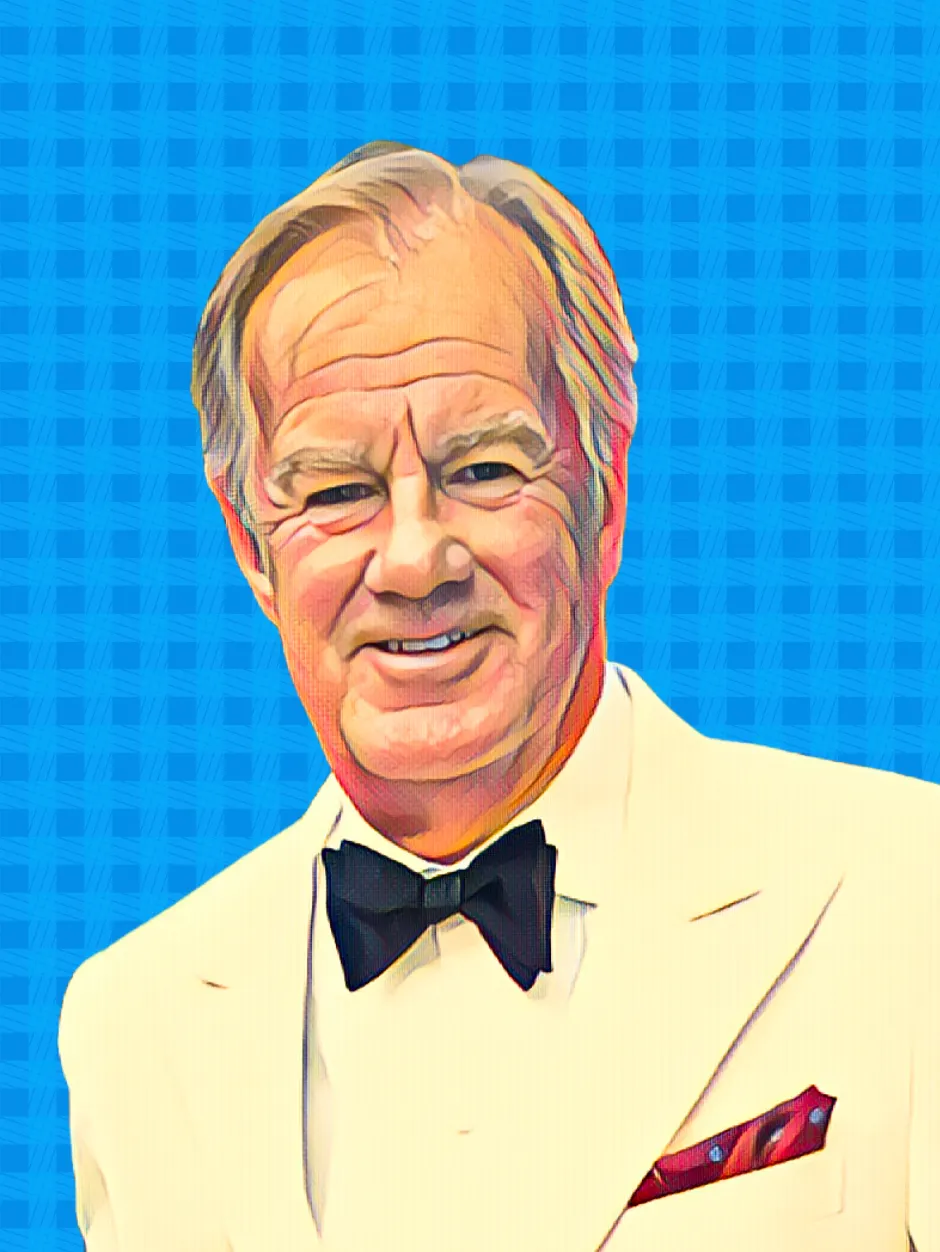
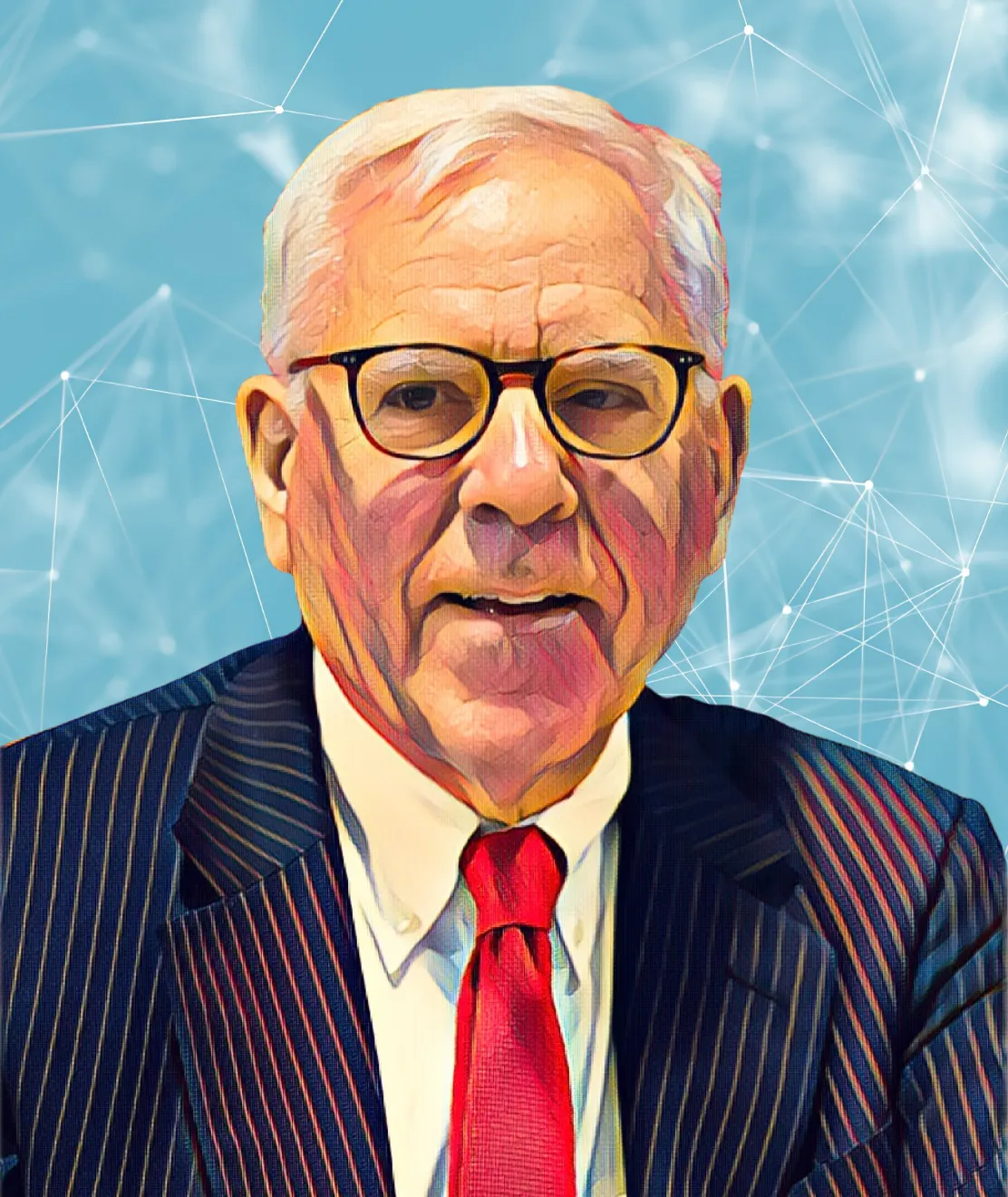
American billionaire David Rubenstein has built one of the world's largest private equity firms, bought his hometown baseball team and signed the Giving Pledge. The two decisions he regrets most are the ones he didn't make.
"Walking away from Facebook and Amazon at the beginning," the Carlyle Group co-founder told Business Insider this week, when asked for his gravest investing error. His best, he said, was "starting Carlyle with hardly any money."
The Amazon miss was a sale. Rubenstein said Jeff Bezos gave him and his Carlyle partners a stake in the e-commerce startup "at the very beginning." When Amazon's stock collapsed in the dot-com bust, they sold, dumping a position that would be worth "many billions of dollars today."
The Facebook miss was a shrug. His then-future son-in-law was a Harvard classmate of Mark Zuckerberg and asked Rubenstein to invest when Zuckerberg was trying to raise $30,000 to launch the site. "I didn't take it seriously," Rubenstein said. Eduardo Saverin wrote the check instead and now has a fortune of roughly $40 billion, according to the Bloomberg Billionaires Index.
Rubenstein, 77, was speaking ahead of the release of "Inside the Owner's Box: Conversations on Power and Leadership in Sports," published Tuesday by Simon & Schuster. The book tells the story of his $1.725 billion purchase of the Baltimore Orioles from the Angelos family in 2024, the third-richest sale in Major League Baseball history, and gathers his interviews with owners including Robert Kraft, Jeff Lurie, Ted Leonsis, Clara Wu Tsai and Tom Ricketts.
He said he bought the team because he had done little philanthropy in Baltimore, where he grew up, and wanted to "try to do something for the city." He also described how the calculus has changed for the ultrawealthy. A few decades ago they avoided the scrutiny of team ownership; now, with valuations soaring, they believe "not only can they have some fun, and kind of be a big deal in the sports world, but they can actually make money on it."
On the AI boom, Rubenstein was careful on both sides. Valuations are "really, really high" and hard to justify with earnings in some cases, he said, but Nvidia's latest results show it is "not all pie in the sky." He acknowledged concerns about aggressive accounting, circular financing and hidden debt, and borrowed Warren Buffett's line: "when the tide goes out, we'll see who's been swimming without a bathing suit."
His advice for when that happens is the lesson of his own Amazon sale. "The biggest mistake people make when you have these bubbles bursting is selling everything and getting out," he said. "Probably that's the time to hold on and maybe buy more."
Rubenstein co-founded Carlyle in 1987 and remains its co-chairman. Bloomberg values him at about $4.3 billion, a figure that would look different had he held Amazon.
The intelligence satisfies curiosity. The paid briefings satisfy strategy.
Every Monday, Elite subscribers receive an Investor Memo breaking down the deal, the structure and the positioning behind the week's most consequential African wealth story - the kind of analysis that doesn't appear anywhere else.
Twice a month, a Wealth Intelligence brief profiles a single billionaire's holdings, cash flows and expansion pipeline in detail no public source matches.
→ Executive ($25/mo): Daily newsletter + Deep-Dive Reports
→ Elite ($75/mo): Everything above + Investor Memos + Wealth Intelligence + Quarterly Analyst Briefings
Subscribe now