

Table of Contents
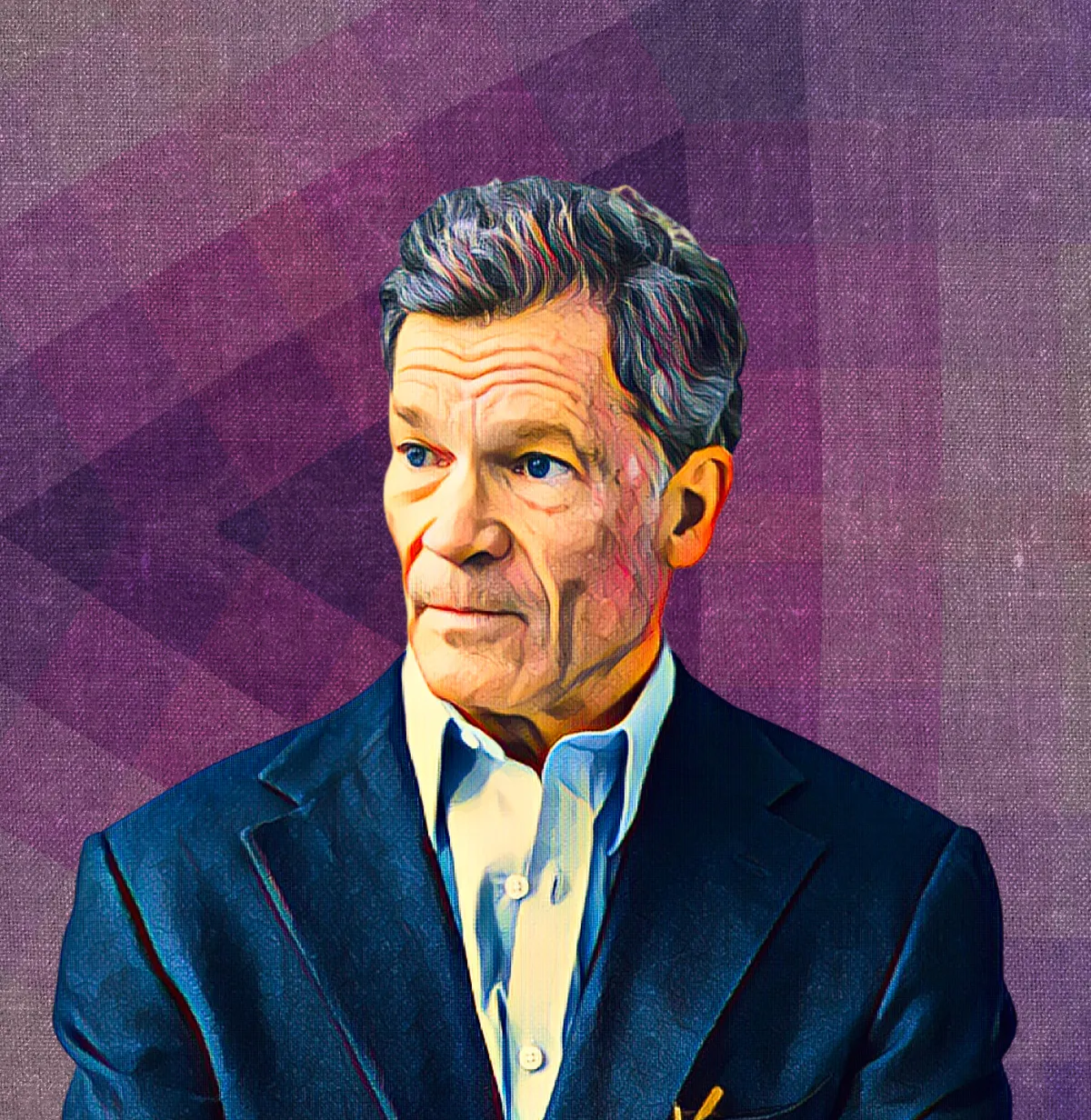
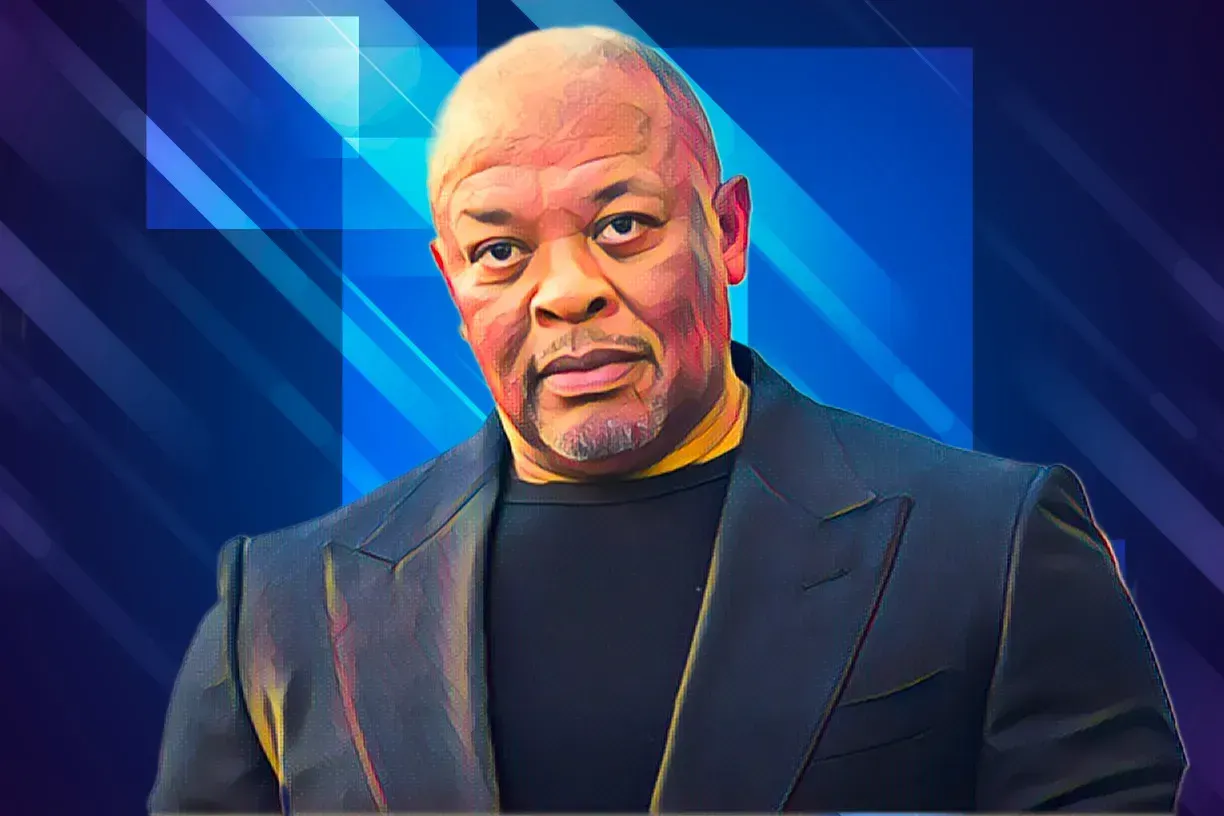
Dr. Dre is using artificial intelligence in the studio, and he thinks the producers complaining about it are the ones who cannot write.
"I don't see it as a threat," the billionaire producer told the New York Times in an interview published Sunday. "I think the only people that see it as a threat are the people who have trouble creating."
Dre, 61, said he had made the argument to people days earlier and told them they sounded like whoever objected to the drum machine when it arrived, or the synthesiser. He called AI a new tool and said some people are simply afraid of learning new things.
"I'm embracing it," he said. "I can't wait to see what's going to happen with this."
He uses it, he said, to see what the technology does with material he has already made.
Jimmy Iovine, his partner of three decades, went further.
"I'm very pro-A.I. in music creation. I don't see the downside at all," said Iovine, 73. "There will be some crappy music. There's crappy music now."
Both men said the resistance is a communications failure rather than a real objection, and blamed the companies building the systems.
"The A.I. companies have the worst public relations in the history of the world," Iovine said, calling their communication terrible and identifying it as the reason people are up in arms.
They also suggested the practice is far more common than the industry admits. Iovine named Timbaland as another user and said there are a lot of closet AI producers working now.
"They're using it, they just don't want to admit it," Dre said.
Not everyone in music agrees. Artists, songwriters and labels have spent two years fighting AI companies over the use of copyrighted recordings to train models, and performers' unions have pushed for restrictions on synthetic vocals. Dre and Iovine addressed the creative question rather than the legal one, and did not comment on whether AI firms should pay for the catalogues they train on.
Dre spoke about time rather than technology when the conversation turned to how he works. Everybody gets the same sixteen waking hours, he said, and he wakes up asking what he is doing with his.
"I have 40 summers left if I'm lucky," he said. "I'm really paying attention to that now."
Asked what he thinks about when he considers the corporate world and its chief executives, he said he does not think about it at all.
"I'm trying to figure out who I'm going to be next," he said. "I'm really excited about the discovery of the next man I'm going to be. I have no idea what that is or who that is, but the unknown is exciting to me."
He listens to self-help books rather than business ones. The most recent was "The Power of Now." The last thing he asked an AI system was how to put on muscle and lose fat at the same time, and it told him nothing he did not already know.
The two men have been working together since the 1990s, when Iovine's Interscope Records backed Dre's early solo albums. They signed Eminem together, built Beats by Dre into a company Apple bought for $3 billion in 2014, and then helped construct Apple's streaming service. The Beats sale made Dre the first billionaire in hip-hop.
They gave $70 million to the University of Southern California in 2013 to create a degree spanning technology, design and business, on Iovine's argument that corporate America is too siloed to produce people fluent in both. About 800 students have completed it, and the model has since been adapted for high schools.
Asked how a school graduating roughly a hundred people a year changes anything, Iovine was blunt.
"Corporate America is going to have to change," he said. Asked how, he said companies should hire the graduates.
The intelligence satisfies curiosity. The paid briefings satisfy strategy.
Every Monday, Elite subscribers receive an Investor Memo breaking down the deal, the structure and the positioning behind the week's most consequential African wealth story — the kind of analysis that doesn't appear anywhere else.
Twice a month, a Wealth Intelligence brief profiles a single billionaire's holdings, cash flows and expansion pipeline in detail no public source matches.
→ Executive ($25/mo): Daily newsletter + Deep-Dive Reports
→ Elite ($75/mo): Everything above + Investor Memos + Wealth Intelligence + Quarterly Analyst Briefings
Subscribe now