


Table of Contents
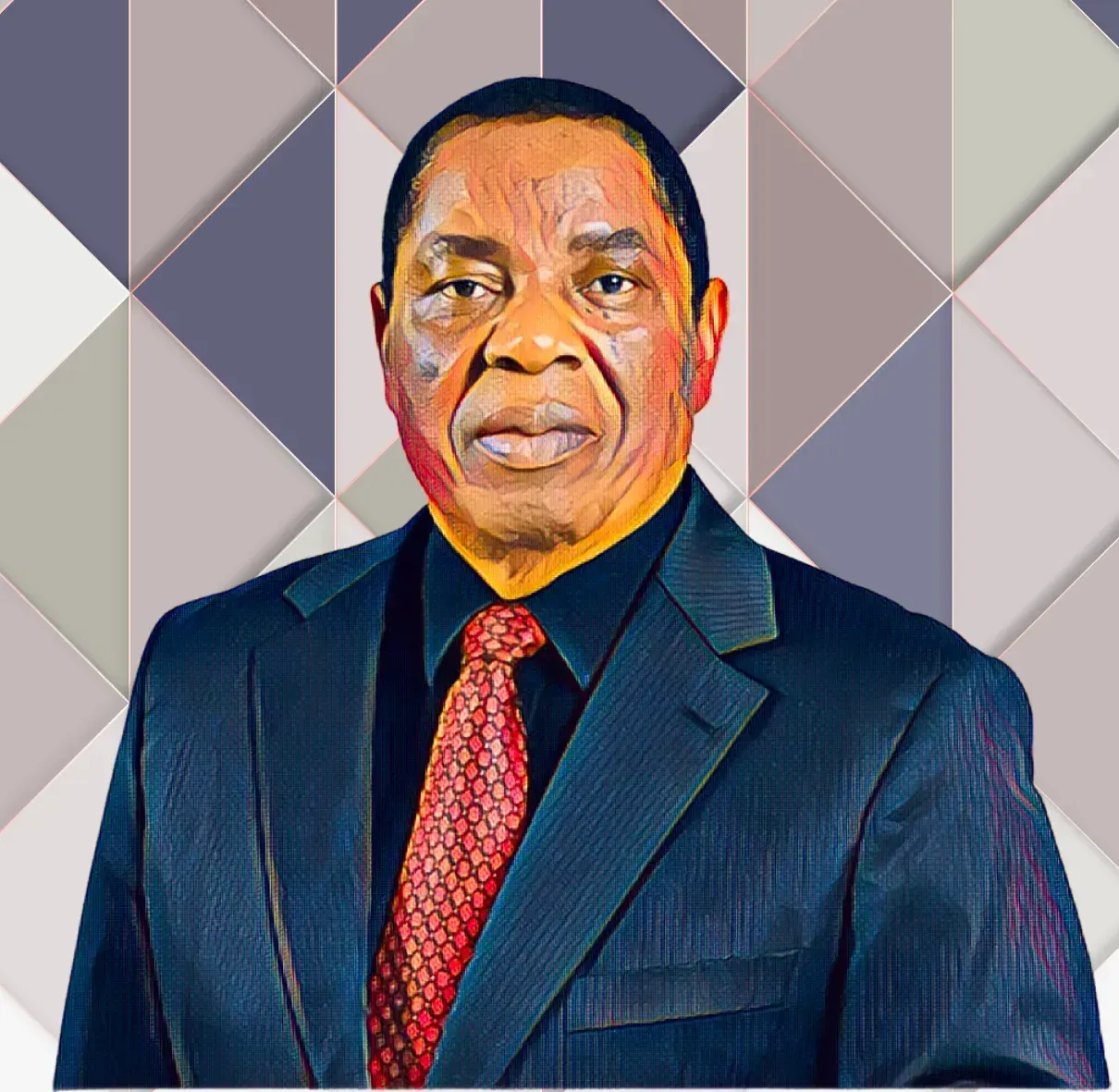
Robert Gumede's Guma Group has proposed a smart city worth about $1.9 billion on state-owned farmland south of Mbombela, and the provincial agency that owns the land says the deal cannot be finalised until it resolves existing contracts, the people already living there and the future of a working citrus operation.
The project would cost R30 billion at Friday's exchange rate of 16.01 rand to the dollar. The Mpumalanga Economic Growth Agency, which holds the land, projects it could eventually deliver at least 8,000 homes and apartments, create 30,000 construction jobs and 4,000 permanent ones, and add R45 billion, or roughly $2.8 billion, to provincial output.
Neither Guma nor the agency announced the plan. It surfaced through a short entry in Mega's first quarter report for 2026/27, which recorded that the group had approached the agency about jointly developing a smart city on the Tekwane farmland. The same entry listed the obstacles, saying matters to be settled before a formal agreement include "existing contractual commitments and land encumbrances."
Mega chief executive Isaac Mahlangu told Sunday World the agency had agreed in principle to pursue the project after Guma approached it earlier this year. About 378.64 hectares of the 845-hectare Tekwane property are under consideration.
Asked whether Guma had been formally selected, or whether the land would still have to go through a competitive procurement process, Mahlangu did not answer directly. He described the discussions instead as investment attraction negotiations forming part of the agency's pursuit of wider socio-economic impact. He said public participation would take place during the feasibility phase, that the talks could end in a long-term lease rather than a sale, and that the structure would not conflict with the Mega Act or the Public Investment Corporation Act. Guma, he said, had consistently insisted the transaction comply with all applicable legislation.
The land is not empty. Tekwane Citrus, about 20 kilometres east of Mbombela, has 42,000 lemon trees planted across 118 hectares and employs 40 full-time and 250 seasonal workers. Its packhouse is accredited to handle 450,000 cartons a year, and the fruit goes largely to export markets. The farm is one of a handful of strategic assets Mega holds and has sought equity partners for, alongside Nkomati Anthracite, Loopspruit Wine Estate and Highveld Fruit Packers.
Mega was created under provincial legislation in 2010 as a development finance institution and the investment promotion arm of the Mpumalanga government, formed by merging the province's small business funding agency, its agricultural development corporation and its housing finance company. Disposing of or leasing state land carries statutory requirements that the agency has not yet said how it will meet.
Gumede is building in the town where he grew up. He was born in Nelspruit, now Mbombela, on Aug. 9, 1963, the fifth of seven children, raised largely by his grandmother while his mother worked as a live-in domestic worker. He worked from the age of seven as a gardener, golf caddie and petrol attendant, and sold second-hand clothes alongside his mother at weekends.
He took a law degree at the University of Zululand in 1986 and went to work for the state, first as a court clerk and then as a prosecutor at the Kabokweni Magistrate's Court, before moving into the KaNgwane administration. He left in 1988 and founded a security and electronics business that became Gijima, which grew into the largest wholly black-owned information technology company in Africa. Gijima Group listed on the Johannesburg Stock Exchange around 2000 and delisted in May 2015.
Guma Group, where Gumede is executive chairman, now spans mining, renewable energy, infrastructure, tourism, rail and ports, healthcare, information technology, real estate and agribusiness, with about 14,000 staff. Estimates of his fortune run between R3 billion and R4.44 billion.
The smart city arrives while two other matters remain open. Gumede's Vision consortium bought Tongaat Hulett's debt from a group of banks led by Standard Bank at a steep discount, then repeatedly missed its financial obligations, and by February the sugar producer's business rescue practitioners had filed for its provisional liquidation. Separately, the Special Investigating Unit is pursuing about R390 million from Gumede and companies linked to him over a South African Police Service personal protective equipment contract awarded during the Covid-19 state of disaster. He has disputed the allegations.
What the Mega report does not address is how the province intends to reconcile a housing development on 378 hectares with the contracts, occupants and export citrus business already sitting on the site. The agency has committed only to a feasibility study, and the timeline for that has not been made public.
The intelligence satisfies curiosity. The paid briefings satisfy strategy.
Every Monday, Elite subscribers receive an Investor Memo breaking down the deal, the structure and the positioning behind the week's most consequential African wealth story — the kind of analysis that doesn't appear anywhere else.
Twice a month, a Wealth Intelligence brief profiles a single billionaire's holdings, cash flows and expansion pipeline in detail no public source matches.
→ Executive ($25/mo): Daily newsletter + Deep-Dive Reports
→ Elite ($75/mo): Everything above + Investor Memos + Wealth Intelligence + Quarterly Analyst Briefings
Subscribe now