

Table of Contents
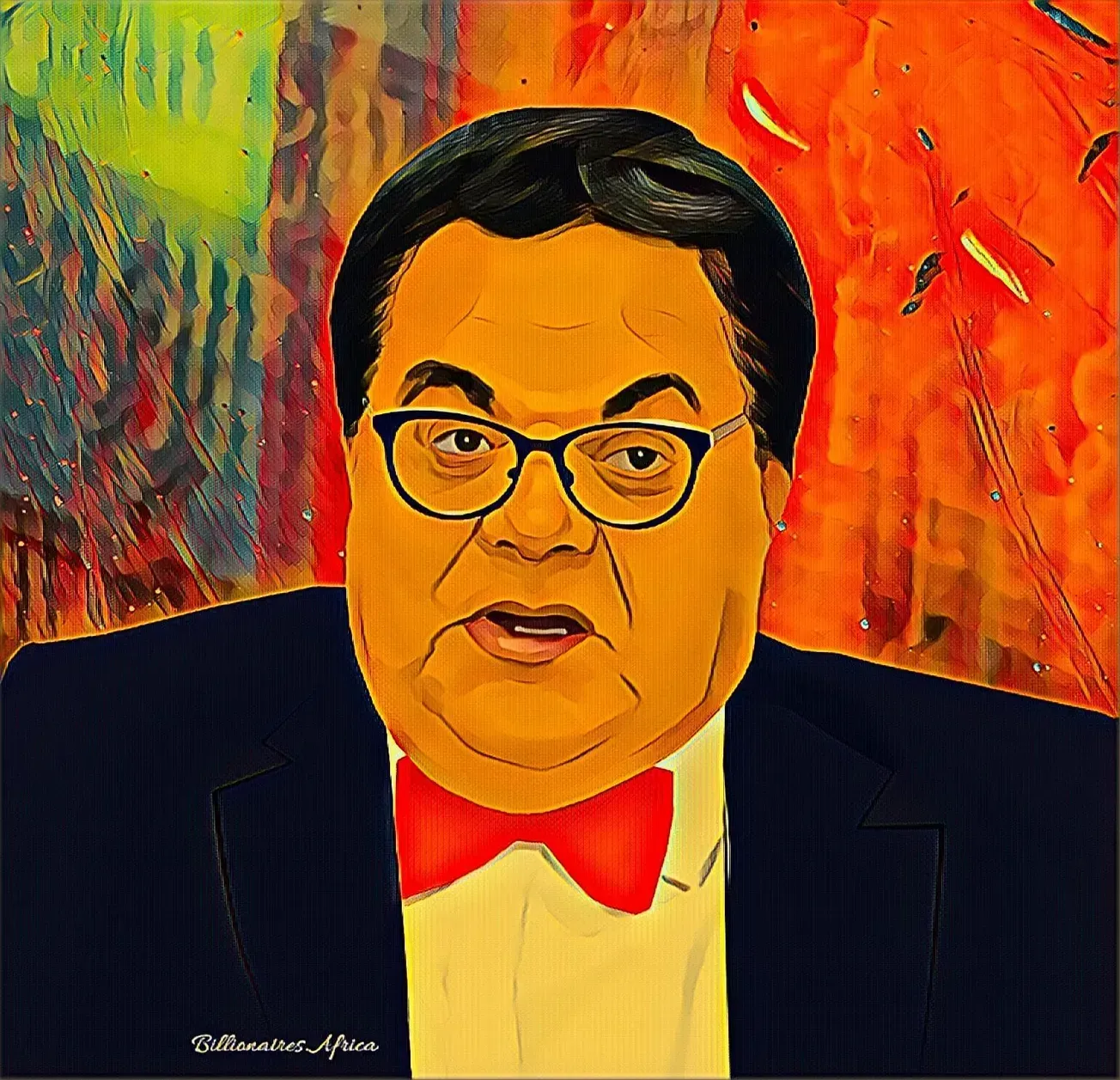
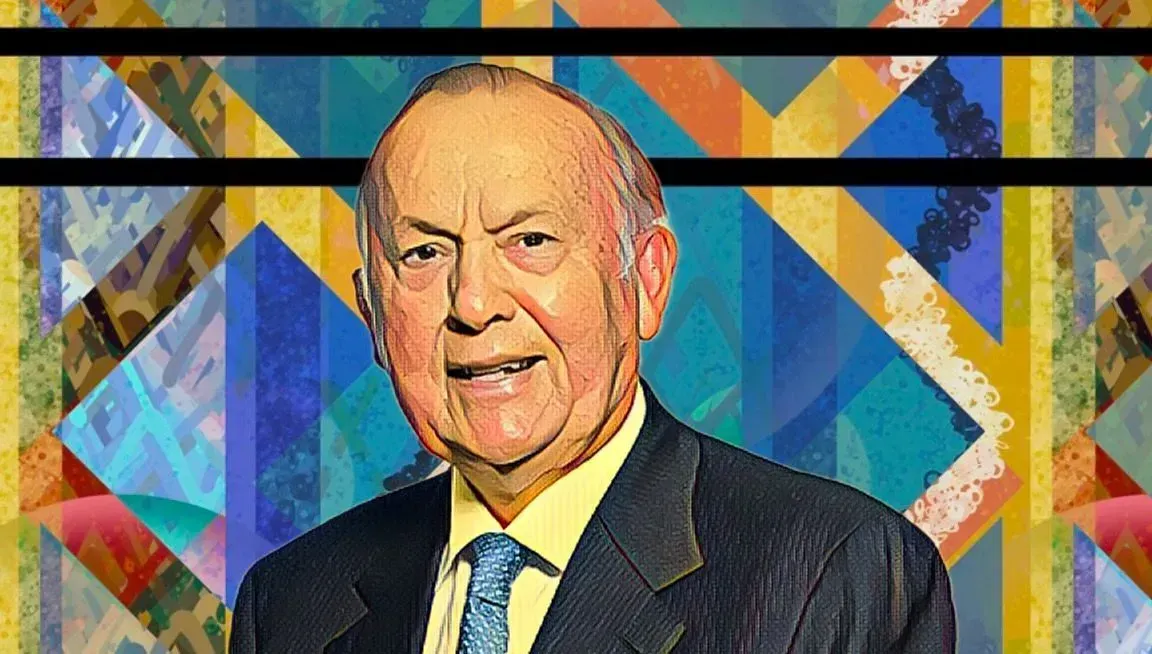
Christo Wiese was one of the men the phrase was invented to describe, and he says nobody has ever managed to tell him what it means.
The South African billionaire was asked about the slogan "white monopoly capital" during a question session at the 2026 Biznews Conference at Champagne Sports Resort in the Drakensberg. He said he did not know what it meant, that it was a political or politicised slogan, and that nobody had ever been able to explain it to him.
His objection was technical as much as political. He studied economics at university, he said, and understood a monopoly to mean control of a particular market. Wealthy white South Africans, on his account, control no market and hold a monopoly over nothing. He made a similar point about the term "Stellenbosch Mafia," saying he knows most of the people supposedly in it and none of them are monopolists.
The phrase has a specific origin and a specific target list. It entered mainstream South African political language in the later years of Jacob Zuma's presidency, deployed by allies of the president and by the Gupta family, whose influence over state appointments and contracts became the subject of the state capture inquiry. The argument was that calls for Zuma to resign, and demands for investigations into state capture, were attempts by white corporate interests to block radical economic transformation. Among the men named were Johann Rupert, Whitey Basson, Koos Bekker and Wiese himself.
Wiese is an unusual person to make the monopoly argument, because few South Africans have built more market share.
He trained as a lawyer and practised at the Cape Bar before leaving the profession for Pep, a company his father had invested in. He took a controlling interest in Pep Stores and built discount retail in South Africa around it. Pep Stores bought Shoprite in 1979 for a small sum, and Wiese, with Whitey Basson running it, turned a minor chain into the largest supermarket operator on the continent.
He chaired both Shoprite, which owns Checkers, OK Bazaars and Usave, and Pepkor, the parent of Pep Stores, for decades. His other interests include the investment holding company Brait, which owns Virgin Active, along with Invicta Holdings and Lourensford Wine Estate.
The Steinhoff collapse cost him a large part of his fortune. He has rebuilt since, and Newsday puts his current net worth at about 31 billion rand.
The more interesting number he gave the conference was about location. Wiese said 95% of his wealth remains in South Africa and that he has no plans to change that, which is a pointed statement from a man in a country where wealthy citizens have been moving assets offshore for years.
His remarks land in a week when the same arguments are running hard. Newsday reported on Aug. 29 that 100 politically connected entities extracted a trillion rand through black economic empowerment, and covered proposals for what has been described as a white tax. Julius Malema, leader of the Economic Freedom Fighters, said two days earlier that white people must return land taken from black people.
Wiese has not previously spoken at length about a slogan built around him, and his answer amounted to a refusal of its terms rather than a defence against them.
The intelligence satisfies curiosity. The paid briefings satisfy strategy.
Every Monday, Elite subscribers receive an Investor Memo breaking down the deal, the structure and the positioning behind the week's most consequential African wealth story - the kind of analysis that doesn't appear anywhere else.
Twice a month, a Wealth Intelligence brief profiles a single billionaire's holdings, cash flows and expansion pipeline in detail no public source matches.
→ Executive ($25/mo): Daily newsletter + Deep-Dive Reports
→ Elite ($75/mo): Everything above + Investor Memos + Wealth Intelligence + Quarterly Analyst Briefings
Subscribe now