


Table of Contents
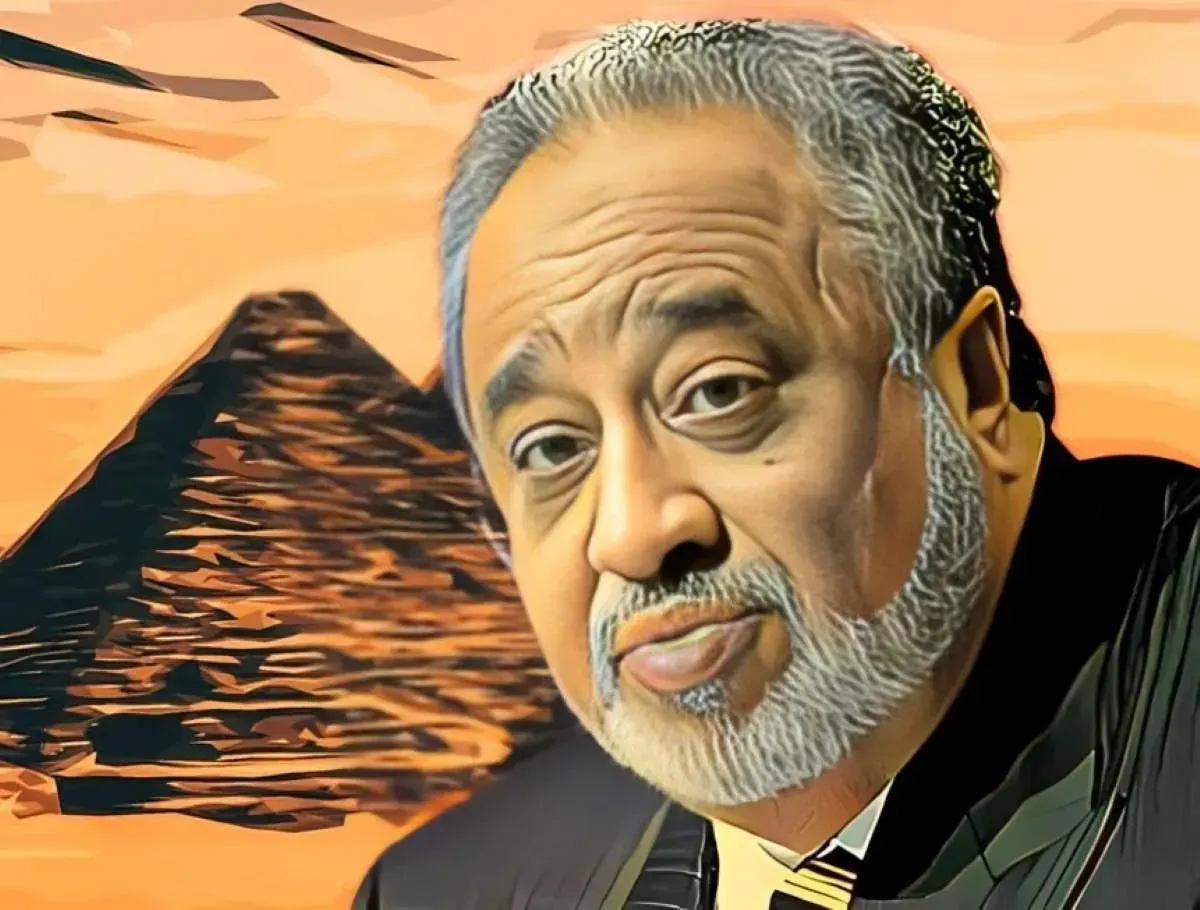
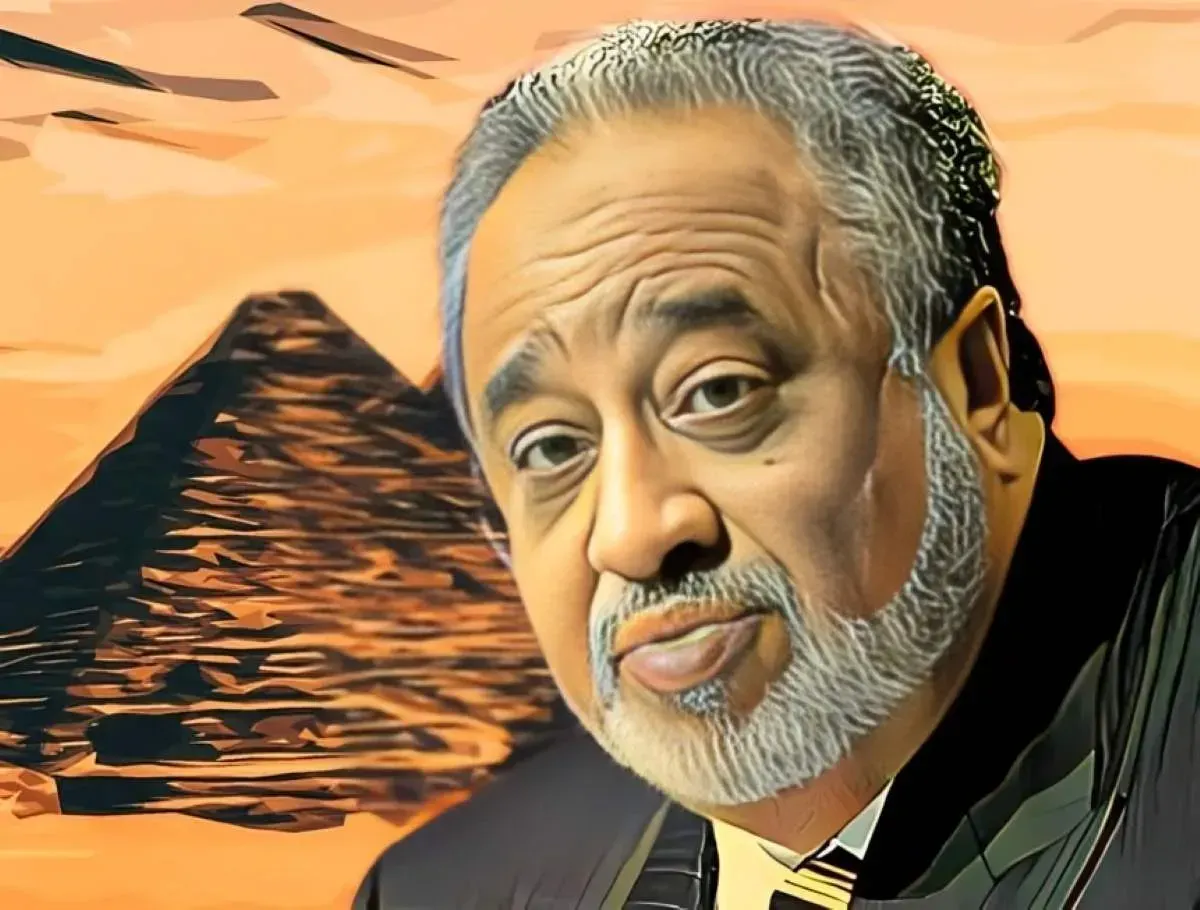
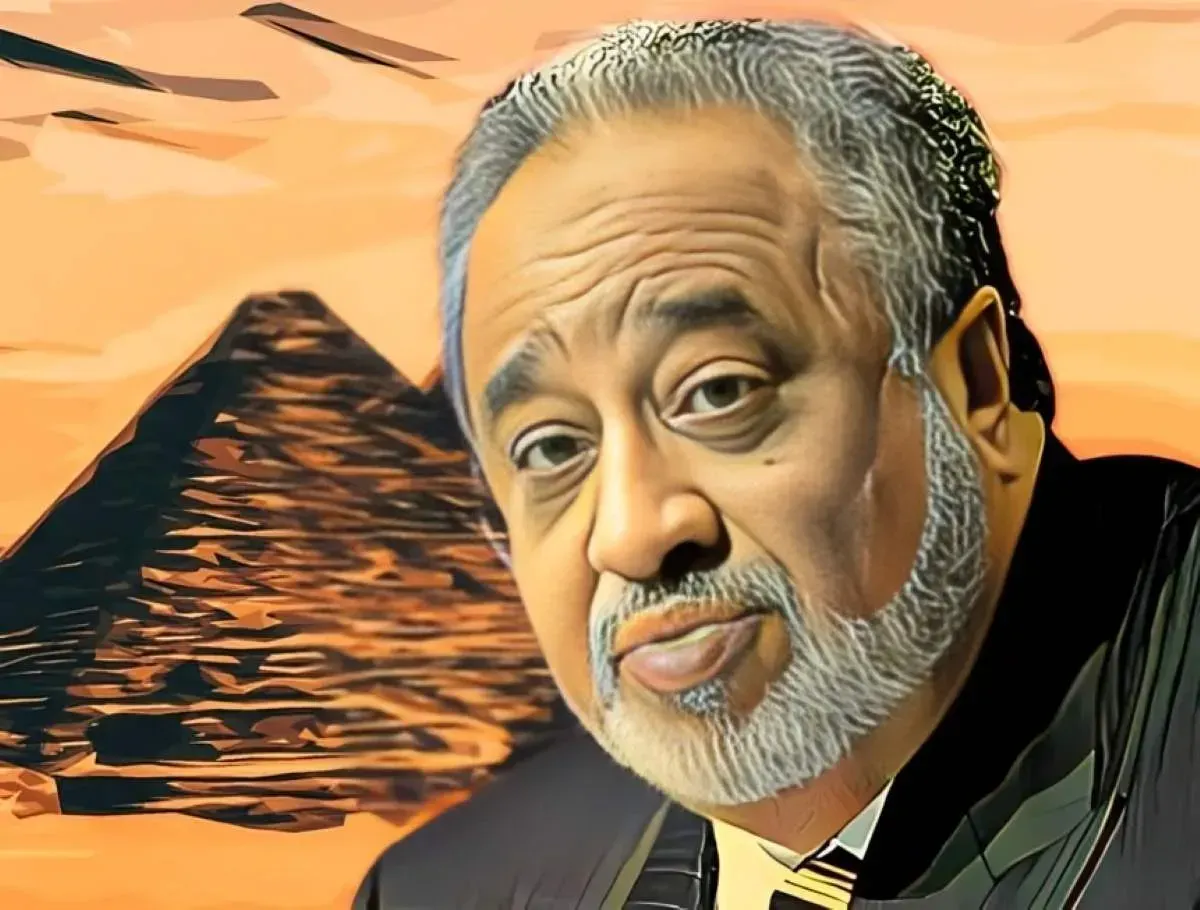
Mohammed Al-Amoudi has instructed the chief executive of MIDROC Investment Group to take the conglomerate's workforce from about 80,000 people to between 100,000 and 120,000.
He gave the instruction to Jemal Ahmed, who runs the group, and to the wider executive team, in an Ethiopian New Year address to executives, board members and workforce representatives reported by Addis Insight. At the top of the range it would mean hiring 40,000 more people, an increase of roughly 50%.
Ahmed came up through MIDROC's agricultural businesses, where he held a supervisory role across the three companies in that division before rising to run the group. Agriculture is one of the four sectors Al-Amoudi has now told him to prioritise.
How the chairman described the company is as notable as the number.
"MIDROC is an enterprise for the Ethiopian people; it is an enterprise for the Ethiopian government," Al-Amoudi said. "We will broadly continue our development work by following the national roadmap set out by our government."
MIDROC is privately owned, and he owns it.
He tied the hiring target to national stability rather than to revenue. Securing employment and peace for young Ethiopians, he said, means securing peace for Ethiopia. That makes job creation a benchmark his managers will be judged against alongside profit.
Where the money goes has also been narrowed. Al-Amoudi told management to concentrate on agriculture, manufacturing, healthcare and infrastructure, and repeated an instruction that MIDROC should avoid businesses he regards as socially harmful or inconsistent with its values. An ethical screen now sits alongside the commercial one in how capital is allocated.
The most unexpected part of the address concerned hotels.
Al-Amoudi wants Addis Ababa able to host the largest international gatherings, and raised the possibility of Ethiopia one day holding a G20 summit. Nothing has been announced or agreed and he framed it as an ambition, but it shows the scale at which MIDROC is now thinking about hospitality. He said he intends to take a direct role in the design, architecture and engineering of the facilities.
The city has a real claim to make. Addis Ababa hosts the headquarters of the African Union and is among the most important diplomatic centres on the continent, which already sustains demand for hotels, conference venues and air links. A gathering of that size generates spending across accommodation, transport, catering, security, telecommunications and retail at once, and MIDROC owns businesses in most of those.
Al-Amoudi also told his managers that raising salaries is not the same as improving pay.
He acknowledged recent adjustments across parts of the group but told them to examine whether compensation is keeping pace with what it actually costs employees to live, since a nominal increase means nothing if food, housing and transport rise faster. He directed them to review living costs regularly and provide additional support where it is needed.
That matters more than it sounds for a company planning to recruit tens of thousands of people. Hiring at speed without matching improvements in pay, skills and support adds cost rather than capacity.
He wants the expansion paid for out of operations. Al-Amoudi emphasised stronger internal financial management and the reinvestment of profits into productive activity, which would reduce reliance on borrowing or fresh capital, and the remarks come while MIDROC's leadership is working through organisational restructuring and governance reform.
He then addressed something that has been circulating for years.
Al-Amoudi said he remains in good health, continues to take an active part in MIDROC's strategic direction, and plans to travel to Ethiopia in the coming months to inspect projects and meet employees. He is 80.
The rumours have a context. Al-Amoudi was born in Dessie in Wollo province in 1946 to a Yemeni father and an Ethiopian mother, moved to Saudi Arabia as a young man and took Saudi citizenship. He was detained in the Ritz-Carlton corruption purge in Riyadh in November 2017, released in January 2019, and the Saudi government has never disclosed what the allegations were. He has been largely absent from Ethiopia since.
MIDROC was founded in 1994 and now runs more than 40 companies. It owns Ethiopia's only commercial gold mine through the Lega Dembi and Sakaro operations, is the country's sole gold exporter, and produces roughly 4,500 kilogrammes of gold and silver a year. It also holds Derba cement, Tossa steel, agriculture through Saudi Star, the airline Trans Nation Airways and the Sheraton Addis.
His interests outside Ethiopia include Preem, the largest fuel and refining company in Sweden, held through Corral Petroleum, and Granitor in the Nordic region.
Bloomberg valued him at about $9.12 billion in March, down from a peak near $10.6 billion. Forbes has excluded him from its rankings since 2017.
The group is already committing capital. It is building a $200 million gold processing plant in Benishangul-Gumuz and signed an $80 million loan from the International Finance Corporation in June to refurbish the Sheraton Addis and build a second Sheraton beside it, a project expected to generate more than 9,400 direct and indirect jobs.
What none of it settles is whether 40,000 jobs can be created in an economy fighting inflation and a shortage of foreign exchange.
The intelligence satisfies curiosity. The paid briefings satisfy strategy.
Every Monday, Elite subscribers receive an Investor Memo breaking down the deal, the structure and the positioning behind the week's most consequential African wealth story - the kind of analysis that doesn't appear anywhere else.
Twice a month, a Wealth Intelligence brief profiles a single billionaire's holdings, cash flows and expansion pipeline in detail no public source matches.
→ Executive ($25/mo): Daily newsletter + Deep-Dive Reports
→ Elite ($75/mo): Everything above + Investor Memos + Wealth Intelligence + Quarterly Analyst Briefings
Subscribe now