


Table of Contents
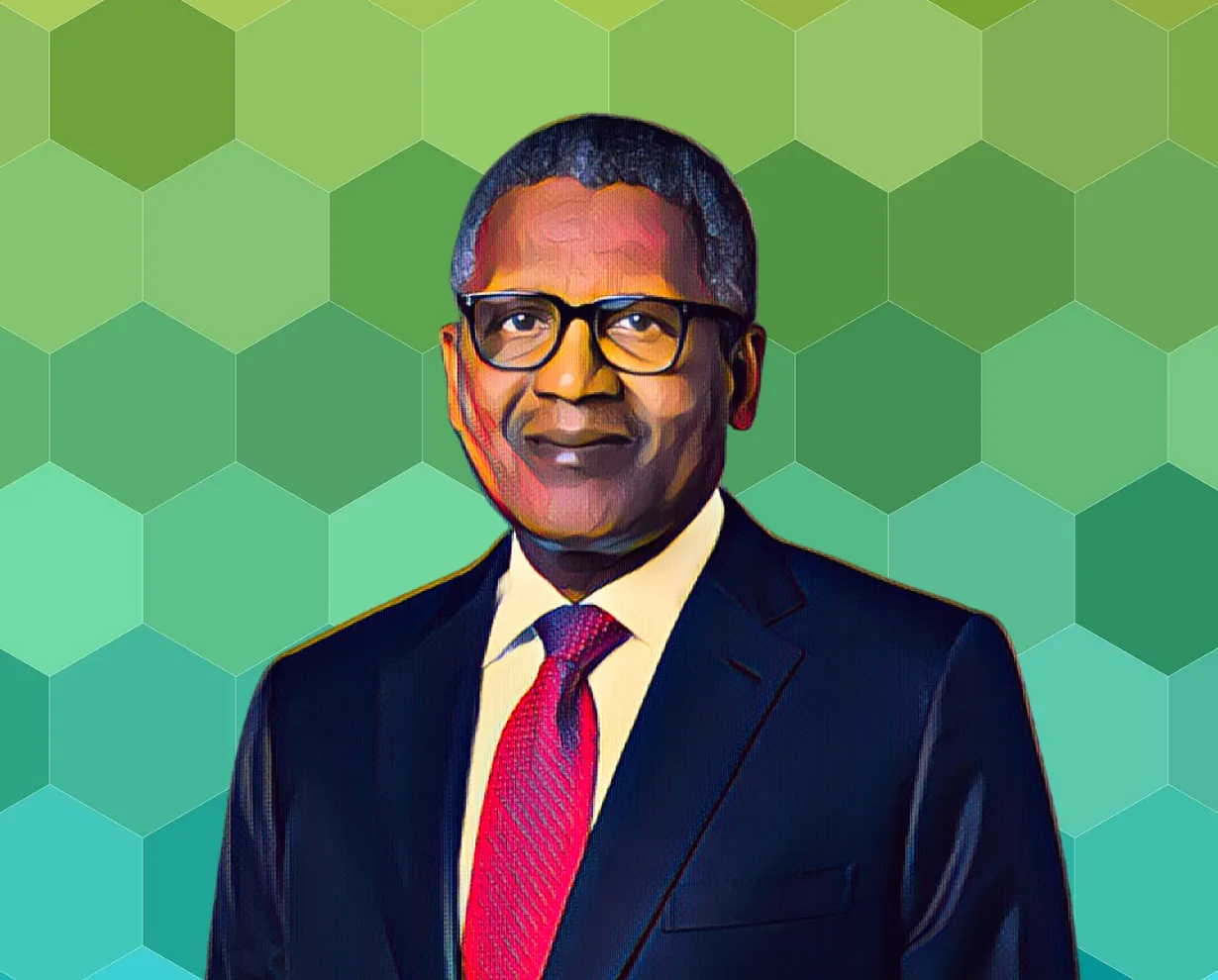
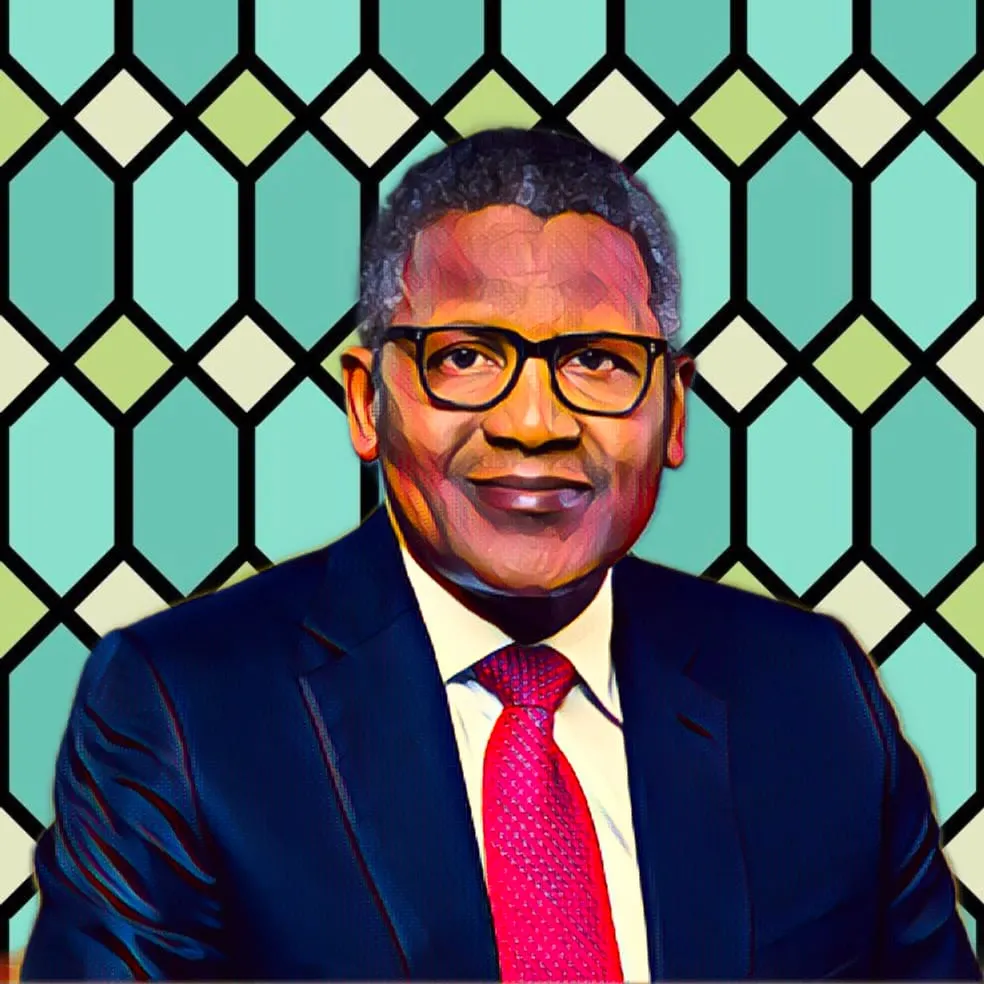
Aliko Dangote said on Friday, Sept. 26 that his Lamu refinery will come with a 1,000-megawatt power plant, and that he intends to sell half the electricity to the Kenyan government.
He made the offer with William Ruto standing beside him. The Kenyan president had flown to Lagos at Dangote's invitation to tour the Dangote Petroleum Refinery at Lekki, four days before the two break ground on the Kenyan project.
Dangote said the group would produce about 1,000 megawatts at Lamu and have 500 megawatts to sell to the Kenyan government. He described the electricity as part of the refinery investment and an entry point for further business in the country.
Kenya has been negotiating for that capacity for weeks. The government has been pressing Dangote Industries to raise the planned output to 1,000 megawatts, according to The Africa Report, and the plant is expected to run on liquefied natural gas brought in from Tanzania, either through a pipeline between the two countries or by tanker to a receiving terminal at Lamu.
What that would give Kenya is power it can rely on. The country leans heavily on hydropower, which falters in drought, and has added large amounts of wind and solar that generate only when conditions allow. A gas plant of that size would supply baseload electricity, meaning power available at a constant rate regardless of weather, for the refinery, the petrochemical complex and the Lamu special economic zone, with the surplus going to Kenya Power.
Ruto committed the government publicly during the visit. Kenya is 100% behind the project, he said in Lagos.
He also told Dangote that Kenya is working on a route from the Turkana oil fields to Lamu, to move crude from the country's own reserves to the refinery gate.
The refinery itself is designed for 700,000 barrels a day, which would make it the largest in East Africa and the second largest on the continent after the Lagos plant. Kenya's government puts the cost at 2.2 trillion shillings, about $17 billion, while Dangote has cited $20 billion, a gap that turns on whether port infrastructure is counted.
It is expected to supply Kenya, Uganda, South Sudan, Rwanda, Burundi and the Democratic Republic of Congo, and to create around 60,000 jobs. Groundbreaking is on Wednesday, Sept. 30.
Nothing on the power plant is settled. Kenya and Dangote still need agreements covering gas supply, financing, electricity purchase terms and environmental approvals before any of it is built.
The offer lands in the same month Dangote committed more than $10 billion to African power over three years, framing it as a plan to bring electricity to 600 million people across the continent.
The intelligence satisfies curiosity. The paid briefings satisfy strategy.
Every Monday, Elite subscribers receive an Investor Memo breaking down the deal, the structure and the positioning behind the week's most consequential African wealth story - the kind of analysis that doesn't appear anywhere else.
Twice a month, a Wealth Intelligence brief profiles a single billionaire's holdings, cash flows and expansion pipeline in detail no public source matches.
→ Executive ($25/mo): Daily newsletter + Deep-Dive Reports
→ Elite ($75/mo): Everything above + Investor Memos + Wealth Intelligence + Quarterly Analyst Briefings
Subscribe now