
Table of Contents
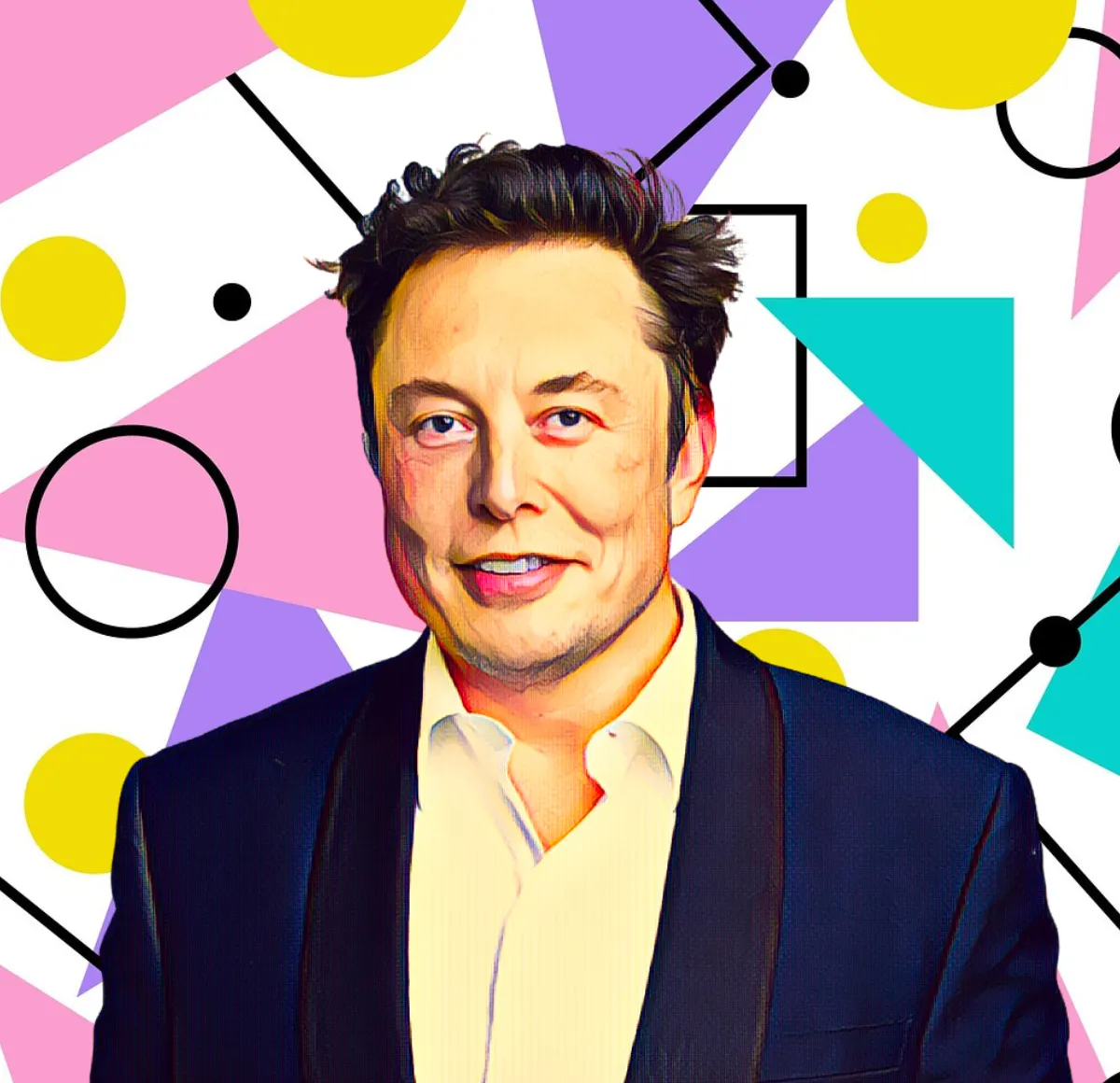
X Corp., the social media platform owned by billionaire Elon Musk, has settled with South Africa's Competition Commission over remedies from its inquiry into digital platforms and the news industry, agreeing to two years of support for local publishers without committing any money.
The commission said on Nov. 18 that X and Musk's artificial intelligence company, formerly known as xAI, had withdrawn their appeals to the Competition Tribunal against the findings and remedies of the Media and Digital Platforms Market Inquiry. In return, the regulator amended the remedies imposed on X and withdrew those imposed on the AI company, replacing them with a voluntary undertaking. The AI business, which makes the Grok chatbot, is now known as SpaceX Super Intelligence after SpaceX acquired it in February.
"These commitments are an important step in translating the MDPMI final report into practical benefits for South African news publishers," said James Hodge, the commission's chief economist, who chaired the inquiry.
X was the only platform that had not reached an agreement with the regulator before the inquiry's final report was published in November 2025. That report required X to make all its monetization programs available in South Africa, hold publisher workshops twice a year and fund digital literacy programs, all for three years.
Under the settlement, X's commitments run for two years. Within six months it will launch a monetization support program for news publishers, including twice-yearly workshops on its revenue tools. Publishers that attend at least one workshop and meet X's "rules and integrity criteria" will qualify. X will provide its paid Premium tier free for two years where publishers need it to qualify, after which they will have to pay for it.
"Revenue calculations remain unchanged," the commission said, meaning publishers will earn on the same terms as other creators on the platform. The workshops will be translated into "up to five" local languages, "subject to sufficient demand," and will show publishers how to stop their public posts being used to train Grok.
The AI company's undertaking is narrower than the original remedy, which required it to train publishers on controlling how their content is used to train its models and shape its answers. For two years it will run training twice a year on Grok's settings and on robots.txt, the file websites use to tell automated crawlers which pages they may visit. It will not compensate publishers for content already used.
The commitments cover South African print, online, radio and video news outlets that report mainly on current affairs and are members of the Press Council or the Broadcasting Complaints Commission of South Africa.
The roughly 18-month inquiry examined how Google, Meta Platforms Inc., TikTok, X and AI companies affect South African news, and found that the platforms benefit from local journalism without paying fairly for it. It also found that AI chatbots had scraped South African news content without agreement or compensation.
Google and Meta settled earlier, and with money attached. Google agreed in November 2025 to a support package worth R688 million ($41.4 million), including R71 million ($4.3 million) a year for five years through its News Showcase program. Meta committed R14 million ($843,000) a year under its package.
Michael Markovitz, director of the Media Leadership Think Tank at the Gordon Institute of Business Science, said in a radio interview that the regulator deserved credit for getting Musk "into the tent," though he said the tools would have a limited effect on publishers. "The main thing is these companies are now bound to the South African process," he said, calling the deal "a beginning." He said any link between the settlement and Starlink's efforts to enter the South African market could only be speculated on.
Musk's satellite internet service has never been licensed in South Africa, where the telecommunications regulator issued SpaceX a notice of non-compliance this month ordering Starlink to stop operating. The company has refused to cede 30% of a local business to historically disadvantaged groups, as the law requires of licensees.
Musk, who also runs Tesla Inc. and SpaceX, is the world's richest person, according to Forbes.
Figures were converted at R16.6 to the dollar.
The intelligence satisfies curiosity. The paid briefings satisfy strategy.
Every Monday, Elite subscribers receive an Investor Memo breaking down the deal, the structure and the positioning behind the week's most consequential African wealth story — the kind of analysis that doesn't appear anywhere else.
Twice a month, a Wealth Intelligence brief profiles a single billionaire's holdings, cash flows and expansion pipeline in detail no public source matches.
→ Executive ($25/mo): Daily newsletter + Deep-Dive Reports
→ Elite ($75/mo): Everything above + Investor Memos + Wealth Intelligence + Quarterly Analyst Briefings
Subscribe now