


Table of Contents
Africa's public health agency and its largest pharmaceutical company sat down in Nairobi this week and announced what they called advanced discussions on a deal that, if it holds, would begin to dismantle one of the continent's most persistent structural failures: importing the overwhelming majority of the vaccines it uses, despite consuming more than one billion doses a year.
The Africa Centres for Disease Control and Prevention and Aspen Pharmacare, the Durban-based drugmaker founded by South African billionaire Stephen Saad, made the announcement Tuesday on the sidelines of the Africa Forward Summit. The two organisations said they are working toward a long-term demand and supply alignment framework designed to create sustainable markets for vaccines manufactured on the continent. No binding agreement has been signed.
The framework under discussion would commit African health authorities to buying vaccines produced locally over multiple years, giving manufacturers like Aspen the forward visibility they need to justify large-scale capital investment in production capacity. Without that kind of guaranteed demand, the economics of building and running a major vaccine plant in Africa are difficult. Raw materials, trained staff, quality certification and cold chain infrastructure all cost money upfront that only makes sense if buyers are locked in on the other side.
The scale being discussed is significant. The framework envisions a progressive build-up of supply with the potential to reach tens of hundreds of millions of doses annually over time, according to the Africa CDC statement. The categories of vaccines under consideration include routine immunisation products and those targeting diseases with the highest burden on the African population.
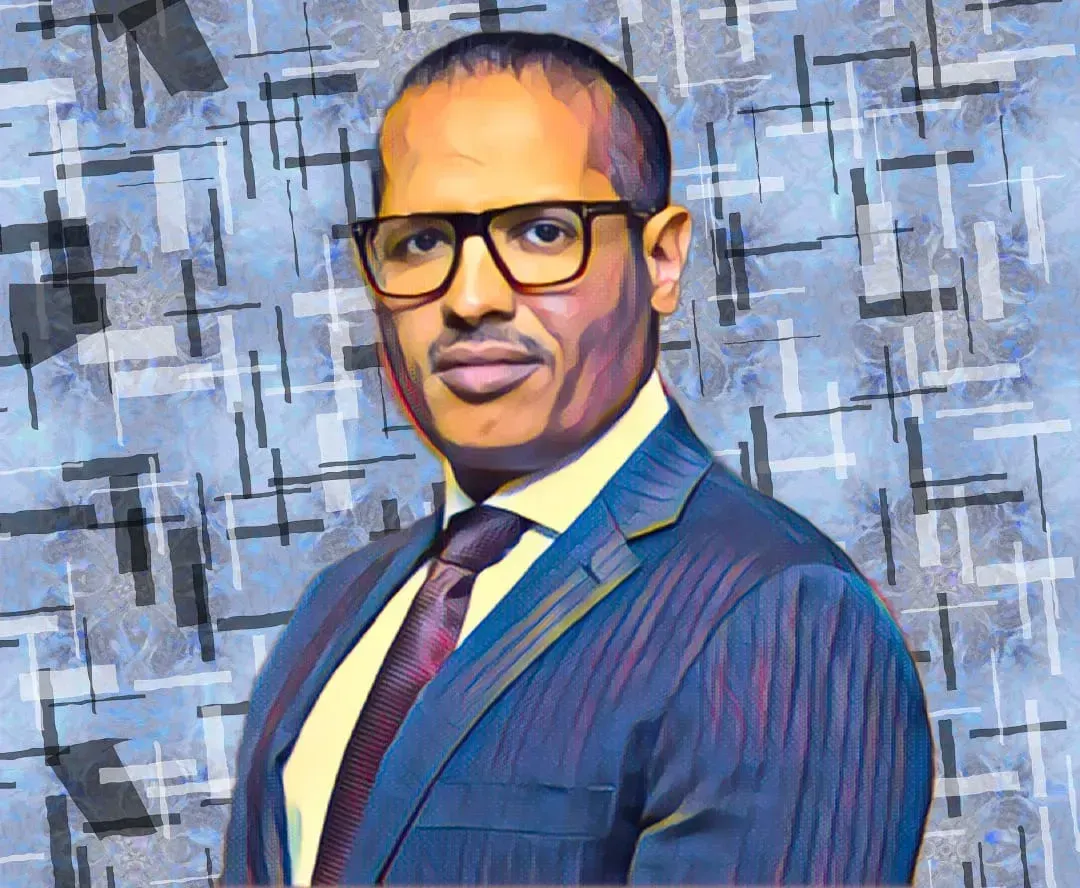
Saad co-founded Aspen in 1997 with Gus Attridge and has built it over nearly three decades into Africa's largest pharmaceutical manufacturer, with operations across more than 150 countries and manufacturing sites on multiple continents. He holds a 12.5 percent stake in the company, making him its largest individual shareholder. Aspen's vaccine ambitions are not new. During the COVID-19 pandemic, the company struck a licensing agreement with Johnson and Johnson to produce its vaccine at its Port Elizabeth sterile manufacturing facility, becoming the only African company to manufacture COVID vaccines at scale on the continent. That experience exposed both what Africa could do and what stood in the way of doing it consistently.
The Johnson and Johnson episode ended badly. Aspen produced millions of doses under the Janssen label but was forced to destroy the stockpile after demand from the African Union and other bodies failed to materialise in time. The doses expired. The episode was widely cited as a structural failure of African vaccine procurement coordination, where manufacturing capacity existed but the institutional demand-side architecture to absorb it did not.
The framework being negotiated with Africa CDC is explicitly designed to prevent a repeat. What Aspen and Africa CDC are attempting to build is the contractual infrastructure that gives local manufacturers confidence to invest, by committing the continent's procurement architecture to buying what they produce before the doses are made rather than after.
Jean Kaseya, director general of Africa CDC, framed the talks in terms of Africa's health sovereignty agenda, a principle the organisation has been advancing since the pandemic showed how catastrophically dependent the continent was on external vaccine supply chains. His organisation's ability to move beyond statements of principle and into binding multi-year procurement commitments will determine whether this announcement joins a long list of similar intentions or produces something durable.
Africa's vaccine manufacturing sector has received significant investment pledges since 2021, including from the Coalition for Epidemic Preparedness Innovations, the Serum Institute of India and several multilateral development banks. The Aspen-Africa CDC framework is the most significant demand-side commitment yet discussed by an African institution with a continental mandate. Supply without demand is a sunk cost. Demand without supply is a crisis. The conversation in Nairobi was about building both at the same time.
The intelligence satisfies curiosity. The paid briefings satisfy strategy.
Every Monday, Elite subscribers receive an Investor Memo breaking down the deal, the structure and the positioning behind the week's most consequential African wealth story - the kind of analysis that doesn't appear anywhere else.
Twice a month, a Wealth Intelligence brief profiles a single billionaire's holdings, cash flows and expansion pipeline in detail no public source matches.
→ Executive ($25/mo): Daily newsletter + Deep-Dive Reports
→ Elite ($75/mo): Everything above + Investor Memos + Wealth Intelligence + Quarterly Analyst Briefings
Subscribe now