

Table of Contents
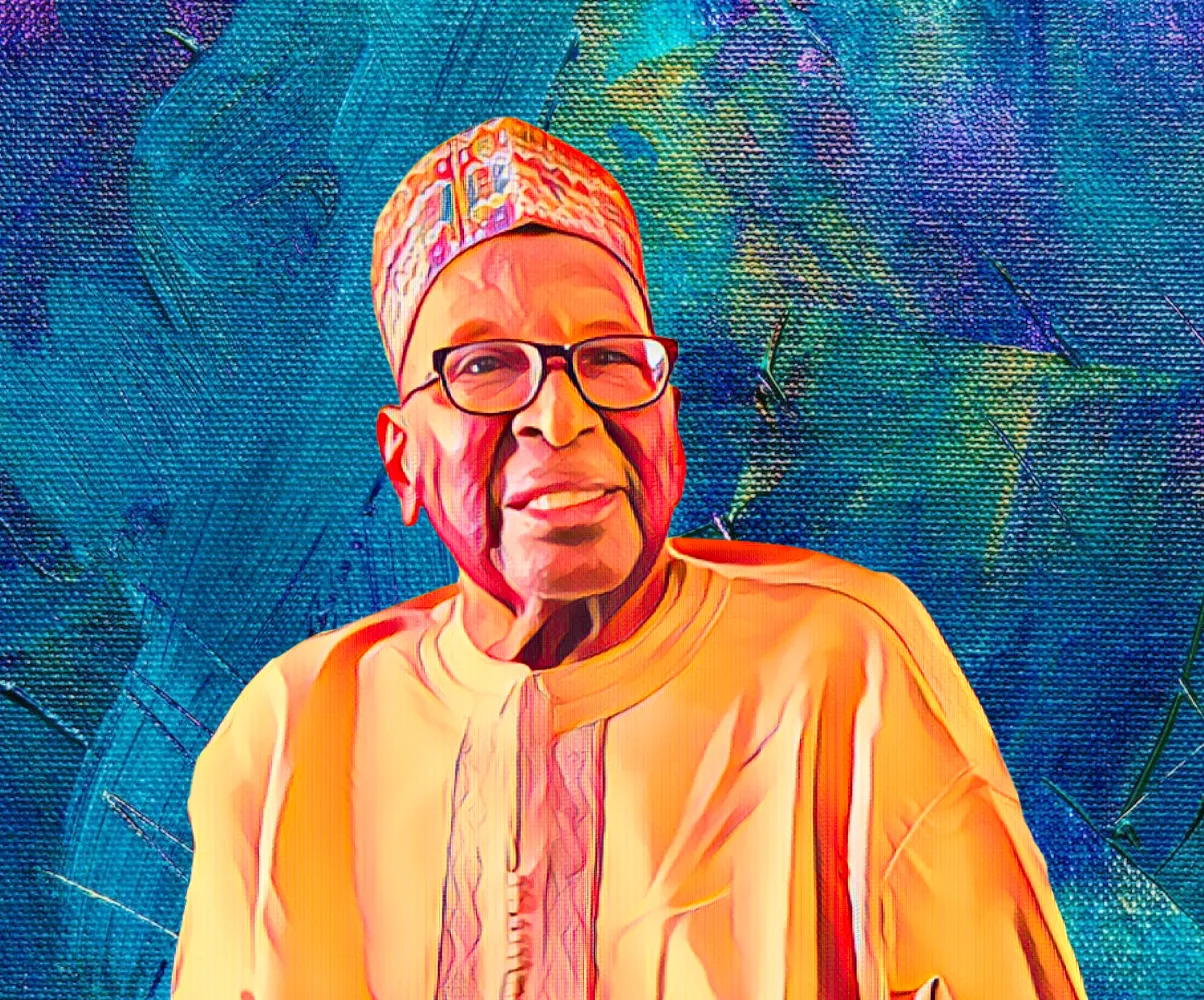
Ghana's Court of Appeal handed Papa Kwesi Nduom one of the most significant legal victories of his business career on Thursday, unanimously restoring the operating licence of GN Savings and Loans Company Limited and ordering that the institution's assets, management and control be returned to its shareholders after six years under receivership.
A three-member appellate panel set aside the January 2024 High Court ruling that had upheld the Bank of Ghana's revocation of the licence, finding that the revocation was unfair and unreasonable. The court quashed both the central bank's original decision and the High Court judgment that validated it, and directed the receiver, Eric Nana Nipah, who had been managing the institution since 2019, to hand back possession and control of the company and all related operations.
The ruling ends, at least at this stage, a legal battle that Nduom has been waging since August 2019, when the Bank of Ghana revoked GN Savings and Loans' licence as part of a sweeping financial sector cleanup exercise that shuttered 23 savings and loans companies and finance houses. The regulator cited capital inadequacy, liquidity failures, governance weaknesses and non-compliance with regulatory standards. It also alleged that GN Savings and Loans had transferred $62 million and an additional £718,000 to a sister company in the United States without the knowledge of the Bank of Ghana or the Ministry of Finance.
The Bank of Ghana's position at the time was categorical. GN Savings and Loans had a negative capital adequacy ratio and a negative net worth. The financial condition of the institution had deteriorated sharply since its 2019 reclassification from a full commercial bank, a process that itself began in January 2019 when GN Bank Limited was downgraded and renamed GN Savings and Loans after failing to meet the raised minimum capital requirements that Ghana's banking sector reforms had introduced.
Nduom has spent the intervening years contesting every element of that narrative. He has alleged that the Bank of Ghana deliberately misrepresented his institution's financial position, claiming that a debt of GH¢2.2 billion was recorded as just GH¢30 million to make the case for closure. He described the intervention as politically motivated, orchestrated by officials with interests in eliminating competition from indigenous Ghanaian financial institutions. The regulator consistently rejected those allegations, defending the revocation as consistent with its statutory mandate and with Article 130 of Ghana's 1992 Constitution.
The High Court, presided over by Justice Gifty Addo Adjei, sided with the Bank of Ghana in January 2024, ruling that governance weaknesses had left the institution unable to meet its debt obligations, that GN Savings and Loans had failed to prove it was solvent at the time of revocation, and that the central bank had acted within the law and not unfairly or illegally. The court also dismissed Nduom's claims that his institution had been treated more harshly than others caught in the cleanup.
The Court of Appeal has now reversed that finding. The appellate court's determination that the revocation was unfair and unreasonable directly contradicts the High Court's conclusion on the central question of the case. The practical effect of the order to restore the licence and hand back control to shareholders is the most consequential outcome Nduom has achieved in six years of litigation.
Papa Kwesi Nduom built Groupe Nduom into one of Ghana's most diversified private conglomerates, spanning banking, fund management, insurance, media, hospitality, real estate and brewing across more than 60 companies. He served as Ghana's Minister of Economic Planning and Regional Cooperation, ran for president three times under the Progressive People's Party, and was for years regarded as one of the country's most prominent indigenous entrepreneurs. GN Bank had total assets of approximately $398 million by 2015, making it a significant player in Ghana's financial sector before the regulatory changes that led to its downgrade and eventual closure.
The Bank of Ghana has not yet issued a public statement responding to the Court of Appeal ruling. Whether it will seek further appeal to the Supreme Court is not known at the time of publication. What is certain is that after six years of legal proceedings, receivership and public dispute, Ghana's second-highest court has told the central bank it got this one wrong.
The intelligence satisfies curiosity. The paid briefings satisfy strategy.
Every Monday, Elite subscribers receive an Investor Memo breaking down the deal, the structure and the positioning behind the week's most consequential African wealth story - the kind of analysis that doesn't appear anywhere else.
Twice a month, a Wealth Intelligence brief profiles a single billionaire's holdings, cash flows and expansion pipeline in detail no public source matches.
→ Executive ($25/mo): Daily newsletter + Deep-Dive Reports
→ Elite ($75/mo): Everything above + Investor Memos + Wealth Intelligence + Quarterly Analyst Briefings
Subscribe now