

Table of Contents
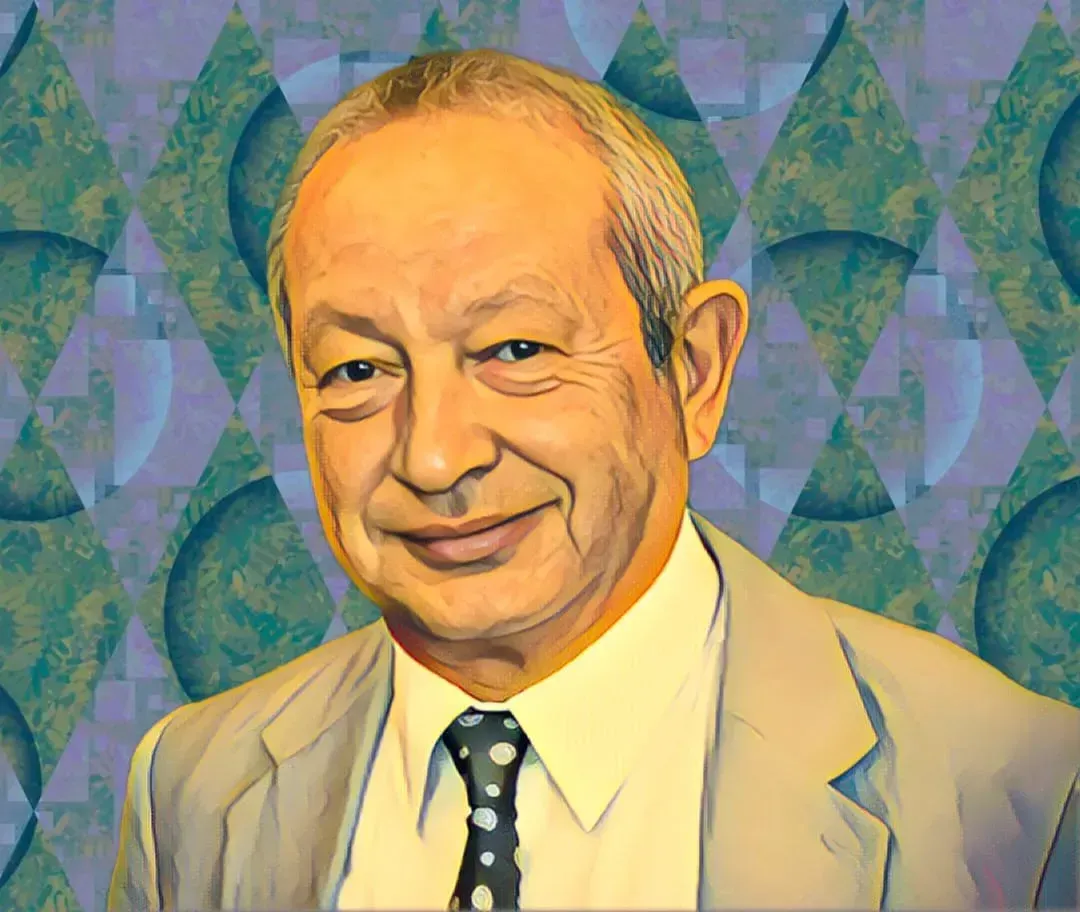
Naguib Sawiris' Orascom Pyramids is raising its total investment in the Giza plateau to $40.6 million by 2027, deepening the Egyptian billionaire's decade-long bet that one of the world's most visited archaeological sites can be commercially transformed into a modern tourism destination without losing the historical gravity that draws millions of visitors each year.
The new investment target was disclosed by Orascom Pyramids on June 29, 2026, and reported by Zawya. It represents the latest escalation in a capital commitment that began in 2017 when Sawiris' Orascom Investment Holding, through its subsidiary INARA, acquired the concession for the Sound and Light show at the Giza pyramid plateau, before expanding the brief into a comprehensive redevelopment of the site's visitor experience under the Orascom Pyramids Entertainment Services Company established in 2021.
The transformation Sawiris has been funding has been extensive and, by the standards of projects at a UNESCO World Heritage Site, unusually bold. Private vehicles and tour buses have been banned from the main plateau, replaced by a fleet of 45 electric buses that circulate the site, departing every five minutes, eliminating the traffic congestion and vehicular pollution that had been among the most consistent complaints from international visitors for decades. A newly opened visitor centre provides an overview of the site, including a short film. Online ticketing has been introduced to reduce queuing. Several tombs have been restored. The Sound and Light show has been substantially upgraded from the 1961 era technology it had relied on for more than six decades.
The changes have not been without friction. Horse and camel tour operators, who were relocated to new parking areas as part of the traffic restructuring, blocked access roads in protest, arguing that the new locations were too far from the main entrance and would destroy their businesses. Aggressive vendors and persistent touts had been one of the most cited criticisms in international visitor reviews of the Giza experience. The crackdown on their activities, while improving the tourist experience from the perspective of most international visitors, created economic disruption for a community that had operated around the plateau for generations.
Sawiris addressed the backlash directly on X. He acknowledged the disruption to livelihoods while defending the necessity of the changes, arguing that the Giza plateau's potential as a global tourism destination was being actively undermined by its unmanaged commercial environment and that the improvement in visitor satisfaction and revenue generation would ultimately benefit far more people than the pre-existing informal economy around the site.
The $40.6 million target announced on June 29 builds on a total investment of approximately $100 million that Sawiris disclosed earlier in 2026 had already been deployed across the plateau's development, covering the Sound and Light show, transportation infrastructure, visitor facilities and operational improvements. The new figure implies further capital expenditure through 2027 as additional phases of the broader transformation plan are implemented.
Egypt recorded a record-breaking 15.7 million tourists in 2024, a figure the government has identified as a baseline for sustained growth toward the 30 million annual visitors target that Tourism and Antiquities Minister Sherif Fathy has articulated as the medium-term objective for the sector. The Giza pyramids, as the single most recognisable destination in the country, sit at the centre of that ambition. Every improvement to the visitor experience at the plateau carries a disproportionate influence on Egypt's overall tourism reputation in international markets, which is why the Sawiris investment has attracted government support rather than obstruction despite the private sector nature of the concession.
Sawiris, whose estimated net worth of $3.8 billion makes him one of Egypt's two wealthiest individuals alongside his brother Nassef, has described the Giza investment as a long-term project rather than a near-term commercial return play. The revenue sharing arrangement with the state-owned Egypt Company for Sound, Light and Cinema, which receives 17 percent of revenues with a guaranteed minimum annually, reflects a public-private partnership structure designed to align government incentives with private capital in the development of an asset that neither party could transform alone.
The intelligence satisfies curiosity. The paid briefings satisfy strategy.
Every Monday, Elite subscribers receive an Investor Memo breaking down the deal, the structure and the positioning behind the week's most consequential African wealth story — the kind of analysis that doesn't appear anywhere else.
Twice a month, a Wealth Intelligence brief profiles a single billionaire's holdings, cash flows and expansion pipeline in detail no public source matches.
→ Executive ($25/mo): Daily newsletter + Deep-Dive Reports
→ Elite ($75/mo): Everything above + Investor Memos + Wealth Intelligence + Quarterly Analyst Briefings
Subscribe now