

Table of Contents
The price of gold used to arrive at the Obuasi mine on a small chalkboard, carried from shaft to shaft so the men breaking rock a mile underground could read the number that ruled their lives. They prayed for it to climb. In the last week of September 1999, that prayer was answered with a violence nobody at Ashanti Goldfields had bargained for. Fifteen European central banks announced they would stop dumping gold onto the market, the price leapt, and the rally that should have enriched a gold miner instead opened a hole beneath the most celebrated company in Ghana.
The hole had a number. Ashanti's hedge book, the machinery built to smooth gold's swings, had quietly grown into a wager that the metal would stay cheap. It covered roughly 11 million ounces of future production. When prices spiked, the book's value cratered to a negative $570 million, the banks froze the company's credit lines, and the share price collapsed from a January high near $10.69 to about $3 by early October. London's Lonmin, sitting on close to a third of the stock, began circling for a takeover. Sam Jonah, the chief executive who had carried Ashanti to Wall Street three years earlier, did the rarest thing a cornered executive can do. He told the truth. "I am prepared to concede that we were reckless," he said.
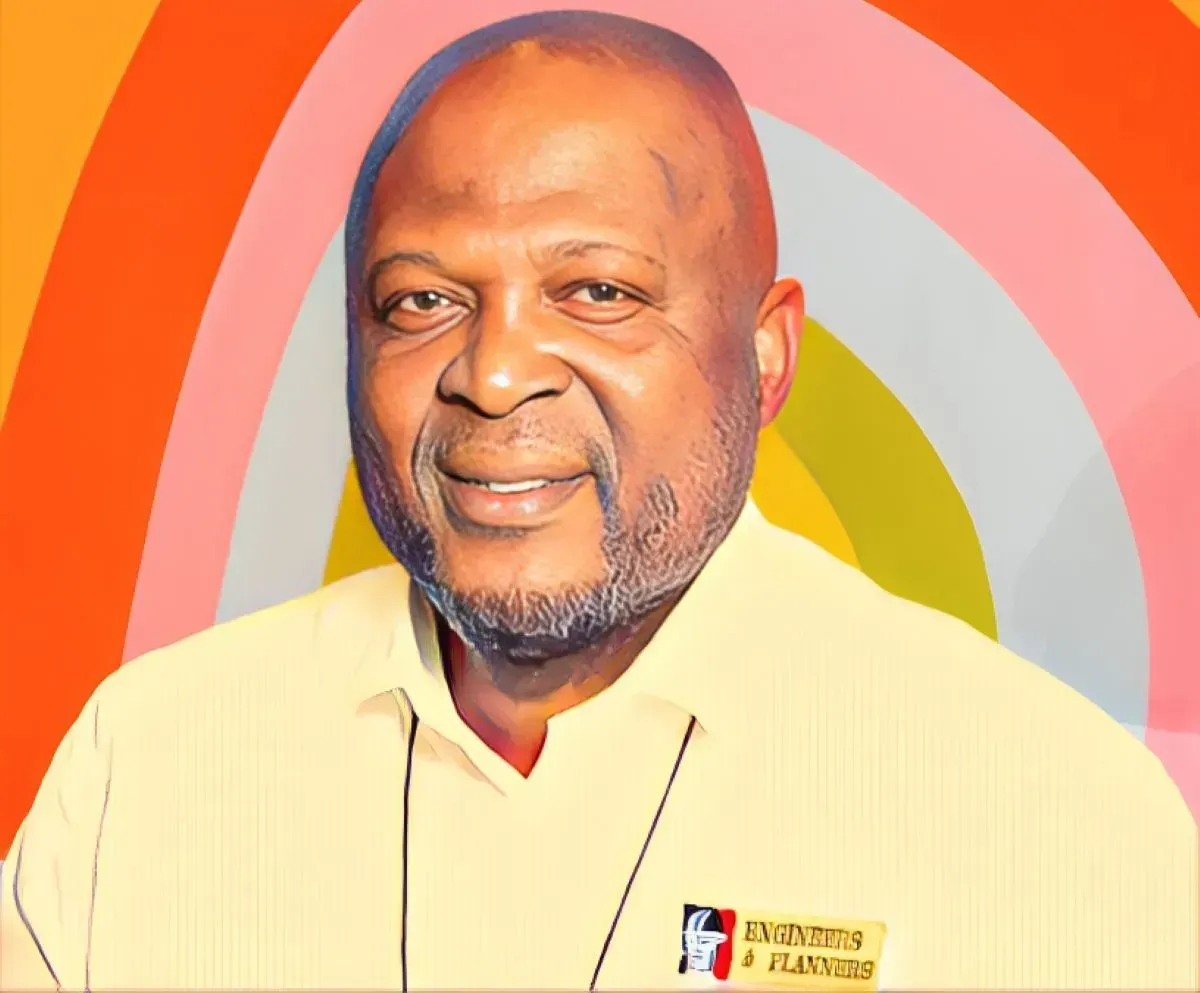
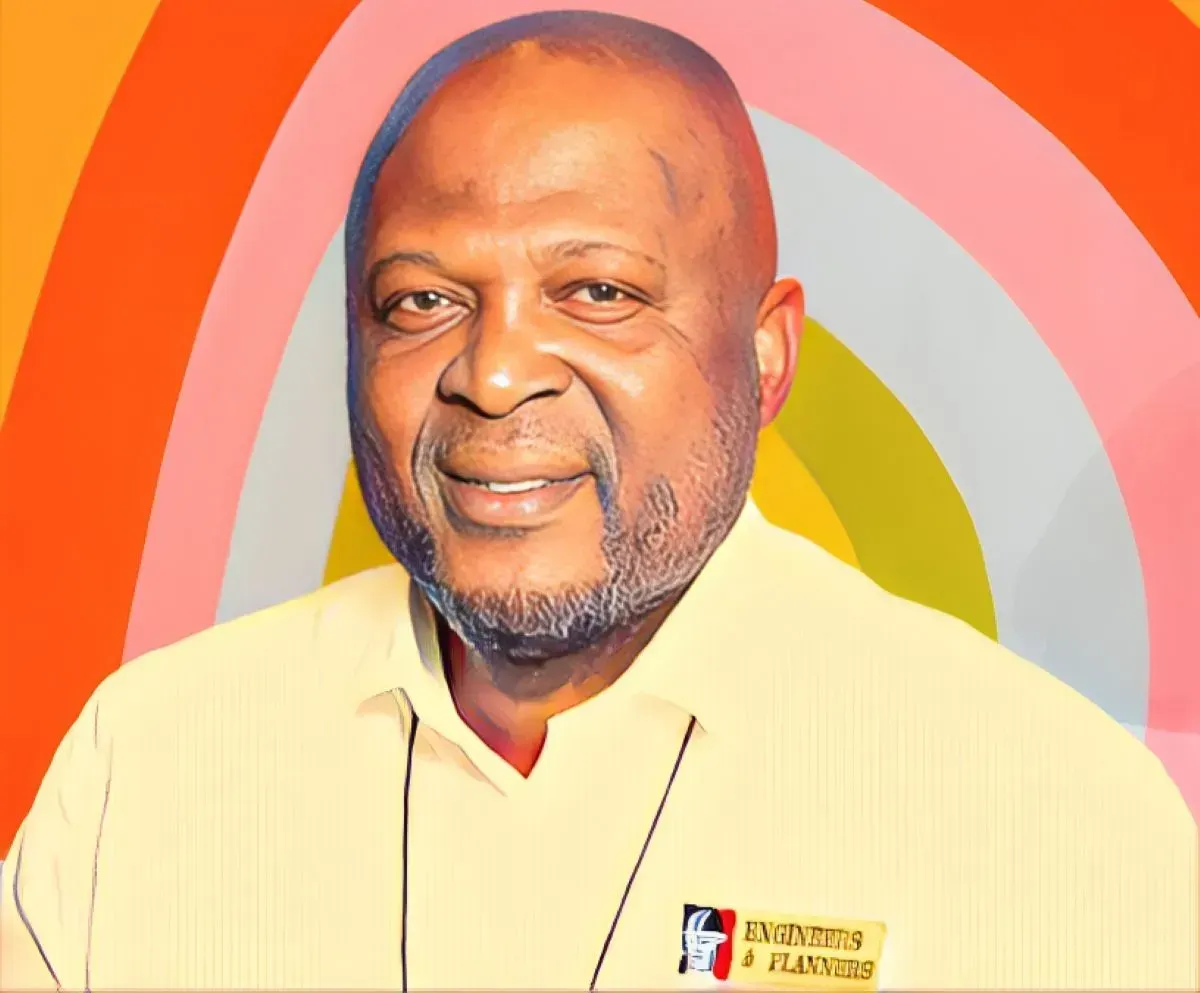
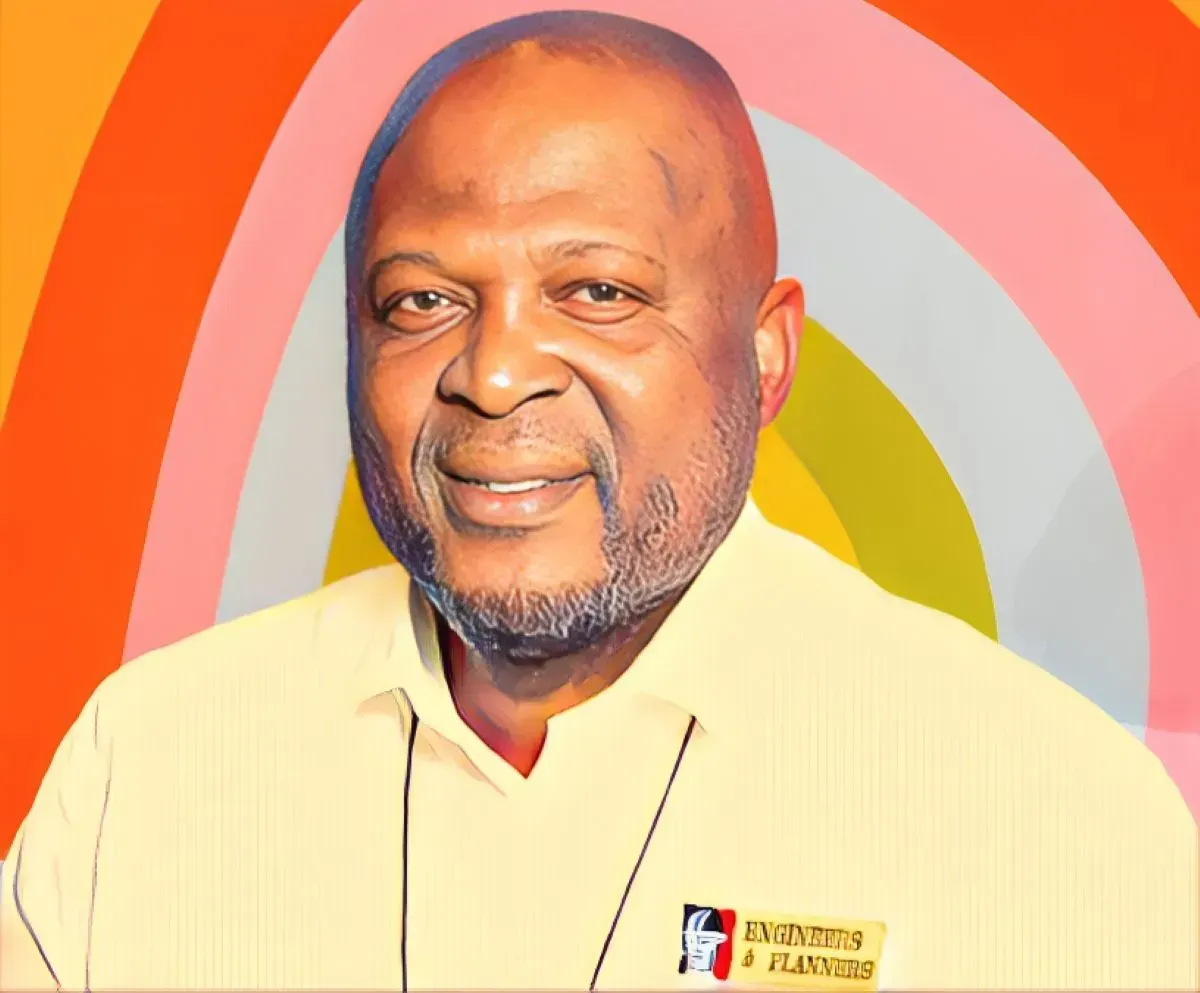
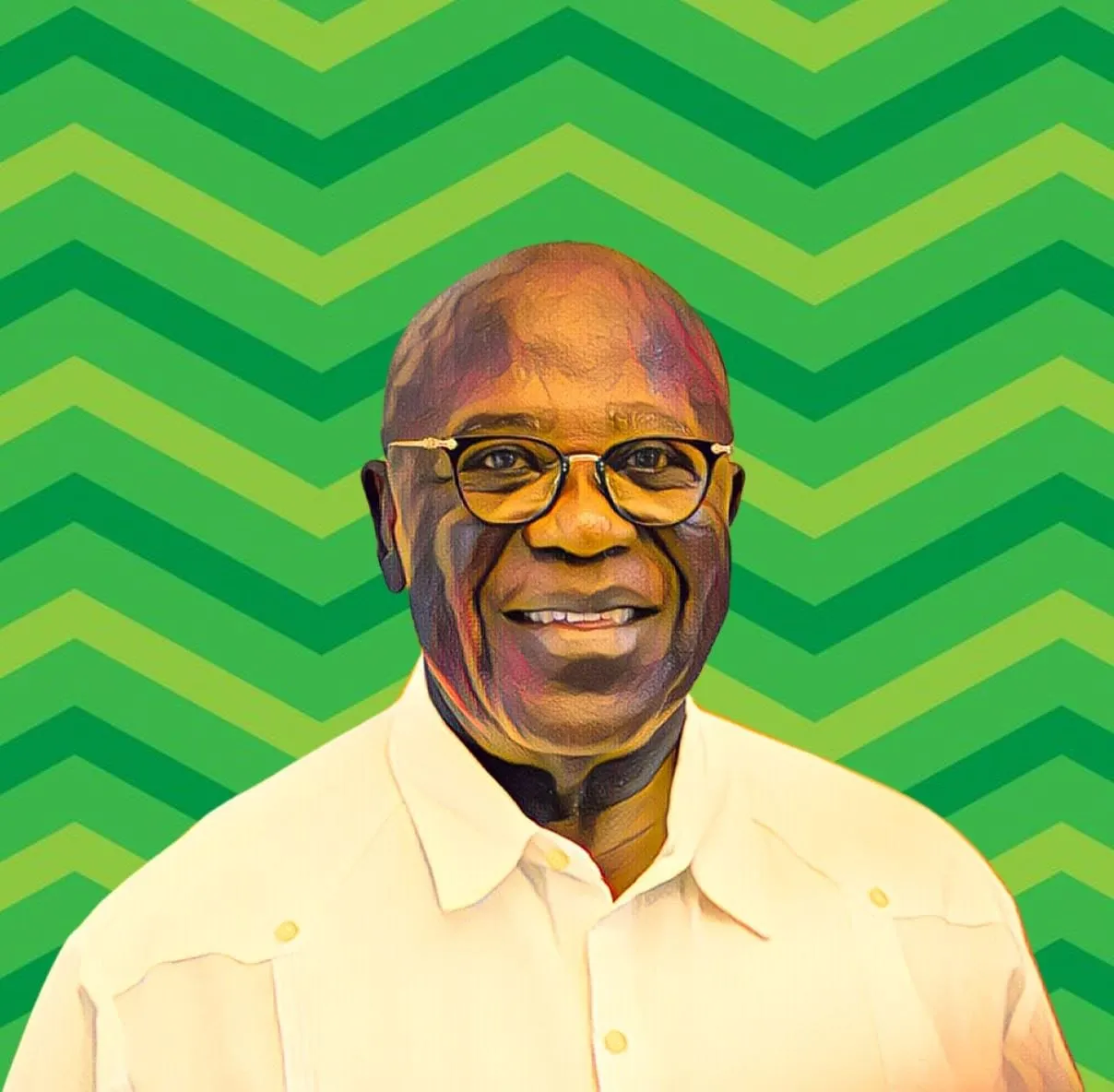
That confession, and the survival that followed it, is the hinge on which one of Africa's most decorated business lives turns. Samuel Esson Jonah would emerge from 1999 not as a casualty but as the man who steered Ashanti into a $1.48 billion merger, accepted a knighthood from the British crown and became, for a generation, the proof that an African could run a global company from the front. Yet the same man now bristles at the label his country keeps pinning on him. When Ghanaians call him a billionaire, he has said, it causes him grief.
The boy who chose the pit over the lecture hall
Jonah was born on Nov. 19, 1949, in a military camp in Kibi, the son of a World War II veteran and sergeant major who later moved the family to Obuasi, the town built on one of the richest gold deposits on earth. He grew up inside the rhythm of the mine, schooled at Adisadel College in Cape Coast, and then made a choice that baffled his classmates. While they filed off toward law and medicine, he went underground.
The decision was not romance. Jonah had noticed that the industry beneath his feet was run almost entirely by white men, and he decided the only way to change that was to start at the bottom and learn the rock himself. The lessons were brutal. Early in his working life a collapse killed several miners alongside him, a loss that fixed his views on safety and command for good. He won a scholarship to the Camborne School of Mines in Cornwall, took a master's in mine management at Imperial College in London, and came home to become the first Ghanaian to run the entire Obuasi operation. He was deputy chief executive at 31 and, in 1986, chief executive at 36.
From one mine to Wall Street's first African listing
What he inherited was a single aging mine throttled by state control. What he built was a multinational. Jonah pushed annual production from 240,000 ounces to more than 1.6 million, bought into deposits in Guinea, Zimbabwe and Tanzania, and dragged a company once valued near $30 million toward a peak market capitalization above $1.5 billion. The defining stroke came in 1996, when Ashanti became the first operating African company listed on the New York Stock Exchange, a flag planted on Wall Street by a man who had started in the dark reading a price off a chalkboard.
He did it under the shadow of Tiny Rowland, the buccaneering chief of Lonrho, the conglomerate that controlled Ashanti and that schooled Jonah in the harder arts of global deal-making. Rowland once told him there were only three kinds of people who could speak the truth without fear, the saint with no interest in the material world, the tycoon too rich to touch and the man who has been told he has days to live. Jonah would carry the line for decades. His commercial faith, the conviction that an African enterprise could compete at the summit of world capital rather than merely feed it raw ore, was forged in those years and never left him.
A bet on gold that nearly broke the company
The hedge book that almost killed Ashanti had, for years, looked like genius. It threw off more than $600 million in reported gains while gold languished below $300 an ounce, money Jonah plowed back into new mines. The 1999 spike flipped that engine into a liability overnight, and the rescue that saved the company cost it dearly. Seventeen banks agreed to a three-year holiday on margin calls in exchange for warrants over about 15 percent of the equity, a deal that raised roughly $94 million and bought time. Jonah refused to sell the crown jewel, the Geita mine in Tanzania, insisting it was the company's future. Geita opened in August 2000, well ahead of schedule, the largest gold mine in the country.
Lonmin's bid was rejected, in part because the Ghanaian government held a golden share it would not surrender. Then, in 2004, Jonah engineered the exit that crowned his career, a $1.48 billion merger with South Africa's AngloGold that created AngloGold Ashanti, briefly the world's second-largest gold producer. He became its executive president. The honors arrived in a rush. Queen Elizabeth II conferred an honorary knighthood on him in 2003, the first Ghanaian so recognized in the new century, and the following year CNN and Time named him among the world's 25 most influential business leaders.
The quiet empire he built after the gold ran out
Even before the merger closed, Jonah had begun building the vehicle for his second act. He founded Jonah Capital in 2003, a Johannesburg investment house that, by one widely cited Ghanaian wealth report, held 14 mineral assets across 10 African countries and was owned roughly 78 percent by his family and 22 percent by Standard Bank. The strategy mirrored the man. The firm took controlling stakes in unlisted junior miners, professionalized them and walked them toward a public listing or a trade sale. It is the philosophy of a builder who learned underground that value is made in the unglamorous work below the surface, not in the speculation above it.
The portfolio fanned out from there, and each piece said something about how Jonah reads Africa. Jonah Capital became the second-largest shareholder in Bayport, a pan-African microlender extending small loans to working people the formal banks ignore, a bet rooted in his conviction that African economies stay shackled by remaining almost entirely cash-based. Through Houses for Africa, he financed middle-class housing in Zimbabwe, Zambia and Nigeria, attacking the same problem of frozen capital from the property side and supplying the mortgages local lenders would not. Both ventures treat poverty as a plumbing problem, a question of moving money where it can work.
The mining bets were the through line. Jonah chaired or backed a string of explorers, among them Equinox Minerals, Moto Goldmines, Uramin, Range Resources, Scharrig Mining and Equator Exploration, several of which were later swallowed by global giants. Equinox, a copper play, was eventually acquired by Barrick Gold; Moto Goldmines, nurtured from a tiny valuation, was sold to Randgold Resources and AngloGold Ashanti in 2009. The pattern was always the same, buy into something unloved and undercapitalized, fix its governance, and hand it to the majors at a premium. It was Ashanti's lesson distilled into a business model.
Then there was the boardroom statesman. Jonah sat as a non-executive director of Vodafone from 2009 until 2019, and served on the boards of Lonmin, Standard Bank of South Africa, Transnet and Mittal Steel South Africa, lending the credibility of a man who had walked a company to the edge of collapse and back with his name intact. His business, in the end, became the application of that experience, a permanent seat at the table where African capital is introduced to global money.
The billionaire who refuses the title
The arithmetic of Jonah's fortune is where the story turns slippery. Ghanaian wealth surveys have for years pegged him at about $1.2 billion (about GH₵13.5 billion), crediting Jonah Capital and his decades of executive equity. He has flatly rejected the figure. Reports of his wealth are grossly exaggerated, he told Ghanaian television, recalling an inscription in his father's house holding that a good name matters more than riches. Forbes has never independently ranked him among the world's billionaires. The defensible truth sits somewhere humbler and still formidable, a large fortune assembled from salary, stock and private holdings, none of it audited for public consumption.
His assets stay deliberately understated. He keeps a residence in the upscale East Legon district of Accra, and his property interests run through Jonah Capital's real estate arm and ventures such as Houses for Africa, but he has never paraded the trappings that lesser men flaunt. The wealth that is visible is institutional, the buildings named, the universities led. He serves as chancellor of the University of Cape Coast, sat on the board of Ashesi University, and the Jonah House at Adisadel College carries the name of his father, Thomas. He has been a trustee of the Nelson Mandela Legacy Trust in Britain and a fixture on the advisory circuits that steer money toward African development.
A senior citizen who decided to speak
In April 2021, the avatar of African capitalist success did something unexpected. Standing before Rotarians in Accra, Jonah delivered a speech titled "Down the Up Escalator" that indicted the very structure he embodied. He warned that Ghana had built an "Executocracy" rather than a democracy, that a culture of silence had crept back into public life, and that the commanding heights of the economy, the banks, the mines, the telecoms, the oil, remained overwhelmingly foreign-owned while Ghanaians held little. He invoked Rowland's old rule about who can speak the truth without fear, then added a fourth license of his own, the man grown old enough to fear for the next generation and refuse to stay quiet.
The speech detonated a national argument and drew a careful defense from former President John Kufuor. It also clarified the late chapter Jonah now seems determined to write. In 2025 he was named Ultimate Man of the Year at the EMY Africa Awards, and in January 2026 he accepted the chairmanship of the advisory board of the Africans for Africa Initiative, a fund built to mobilize African capital for the continent's critical minerals. It is the escalator speech turned into a balance sheet. At 76, the man who first carried Africa onto Wall Street has staked his final act on a harder proposition, that this time the gold, and the lithium and cobalt beneath it, should belong to Africans.
The intelligence satisfies curiosity. The paid briefings satisfy strategy.
Every Monday, Elite subscribers receive an Investor Memo...
Subscribe now