

Table of Contents
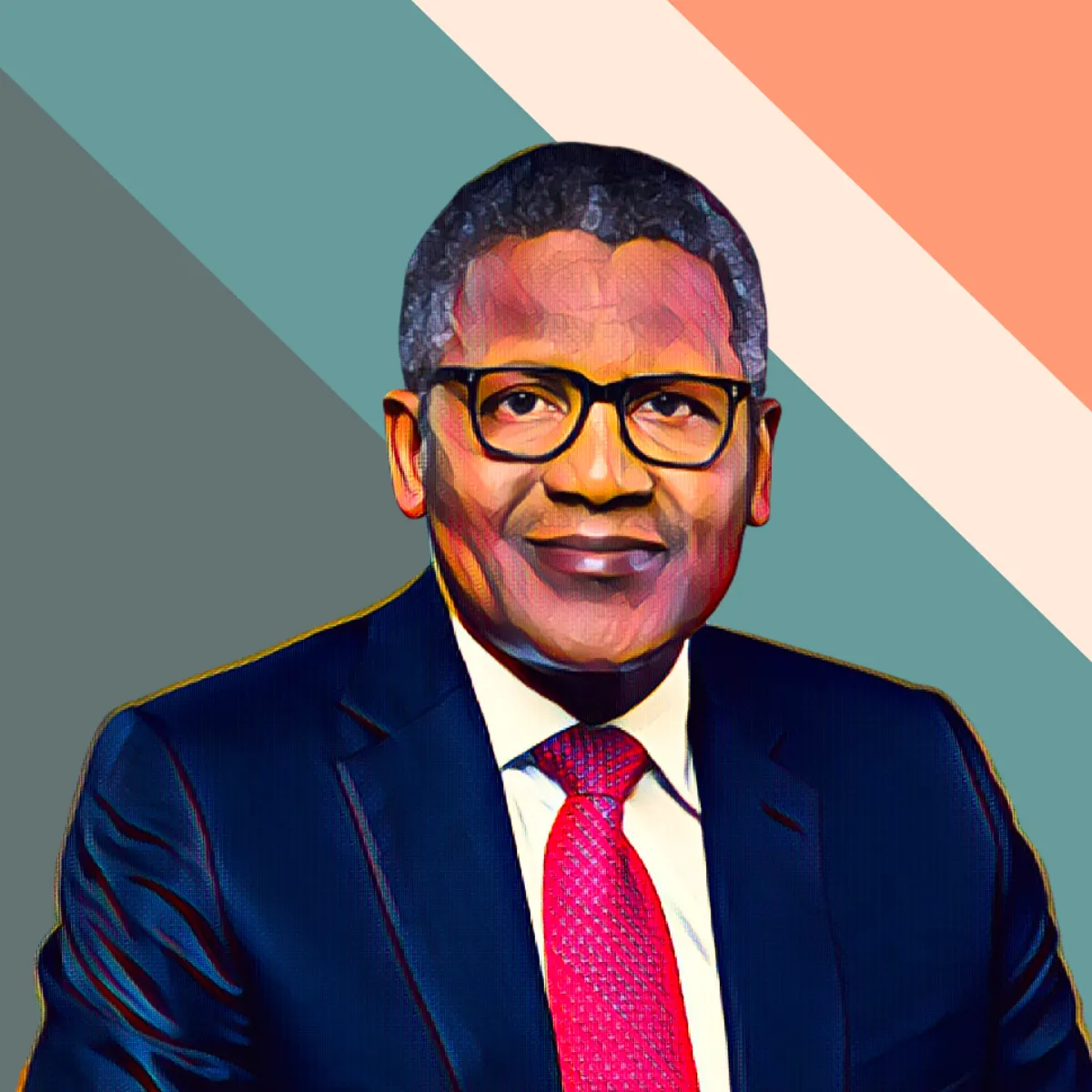
Aliko Dangote has settled on Lamu, an island off Kenya's coast, as the site of a 700,000-barrel-a-day oil refinery that his company says could cost as much as $17 billion (2.2 trillion shillings), ending months of uncertainty over whether the plant would land in Kenya or Tanzania.
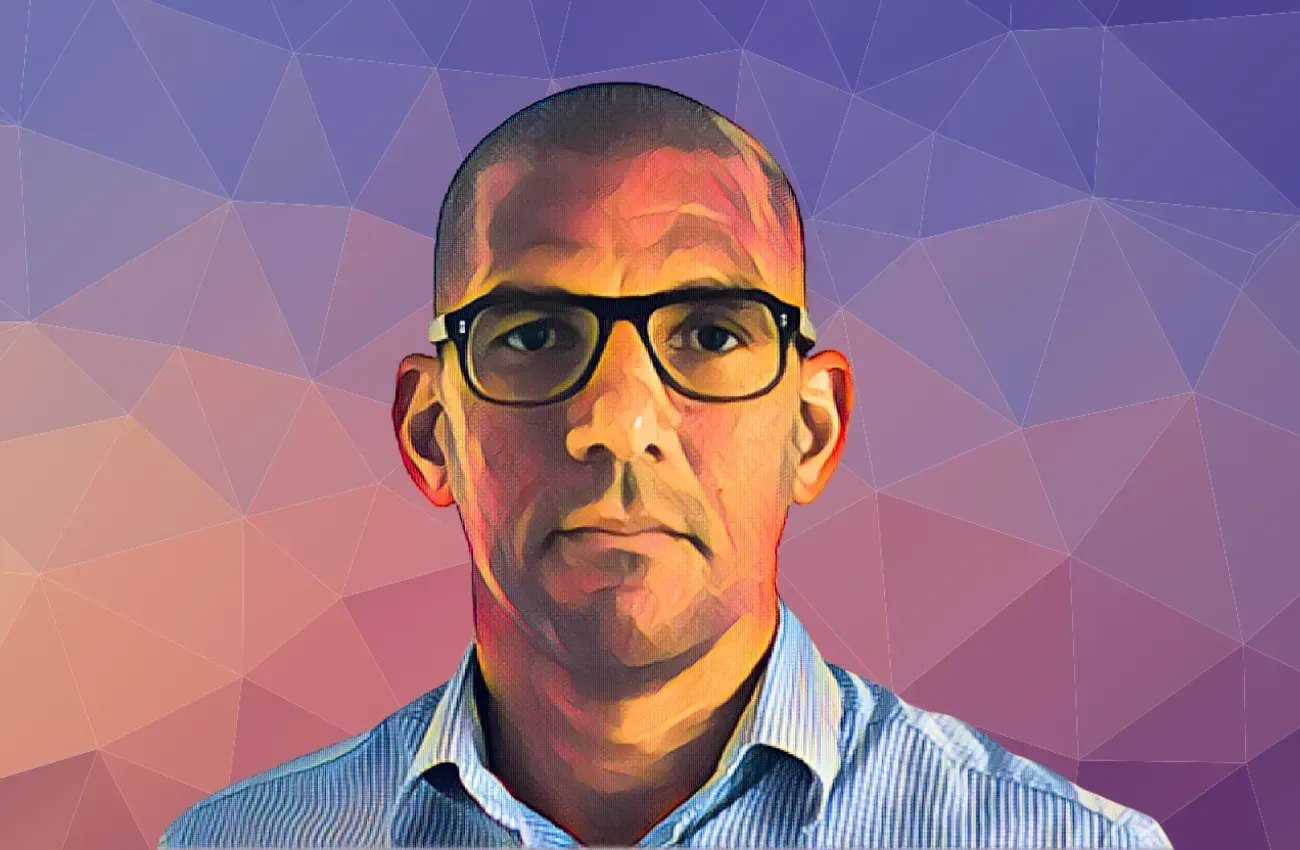
Devakumar Edwin, vice president for oil and gas at Dangote Industries, said the site has been selected, soil tests are under way and design and engineering work has started. Kenya, he said, was the choice from the beginning.
A company spokesman confirmed the $17 billion figure. Edwin himself declined to give an exact cost, saying only that it would be comparable to the refinery outside Lagos.
Estimates of how long it will take diverge. Reuters reported the plant would take up to three years to build, while Bloomberg put the figure at about five. President William Ruto said in May that construction would begin this year.
The financing plan avoids heavy external borrowing. Dangote Industries intends to fund the project through internally generated cash, bond issues and proceeds from a planned initial public offering, the same listing the group has been preparing for its Nigerian refinery while courting investors in the Middle East.
The scale is unprecedented for the region. Lamu would be Dangote's largest refining investment outside Nigeria and East Africa's biggest petroleum processing facility. Combined with the Lagos plant, which runs at 650,000 barrels a day and is being expanded to 1.4 million barrels by 2028, the group's total refining capacity would reach 2.1 million barrels a day.
The refinery is designed to serve Kenya, Uganda, Tanzania, South Sudan and neighbouring markets, cutting a region that imports nearly all its refined fuel loose from that dependence.
Getting here took a detour through Tanzania. In April, Dangote appeared alongside Ruto and Ugandan President Yoweri Museveni with a plan to build the refinery at Tanga, on Tanzania's northeastern coast, linked by pipeline to Mombasa. Tanzanian President Samia Suluhu Hassan did not align with the proposal, and the project moved north. Dangote met her weeks ago to explain the decision and invited Tanzania to participate in the Lamu plant regardless.
Edwin attributed the switch to infrastructure, logistics and market considerations. Bloomberg reported that Lamu was chosen for commercial and technical reasons.
Nairobi has been asked to carry part of the load. Ruto has said regional governments would participate in the project, and Kenya has set aside 21.5 billion shillings in seed capital. Dangote has been blunt about what he wants in return, saying he would need land, financing and, above all, protection from the government.
The plant would restore something Kenya lost. The old Kenya Petroleum Refineries facility at Mombasa stopped processing crude more than a decade ago and was converted into a storage operation, leaving the country entirely reliant on imported products. Lamu would put Kenya back in the refining business as it prepares for possible commercial oil production from the South Lokichar Basin in Turkana by the end of this year.
Dangote's own history offers a warning about the price tag. The Lagos refinery was estimated at roughly $9 billion when it was conceived in 2013. By the time it began operating in 2024, it had cost more than $20 billion, driven up by a relocation of the site, engineering difficulties, the naira's collapse, the pandemic and global inflation.
That plant has since vindicated the spending. It has cut Nigeria's fuel import bill and turned the country into a net exporter of petrol for the first time in a generation, and its jet fuel shipments to Europe recently overtook those from the United States.
The Kenyan project sits inside a much larger programme. Dangote Industries has said it will invest an additional $46 billion between 2026 and 2028 across refining, cement and fertiliser, part of a push to lift group revenue to $100 billion by 2030.
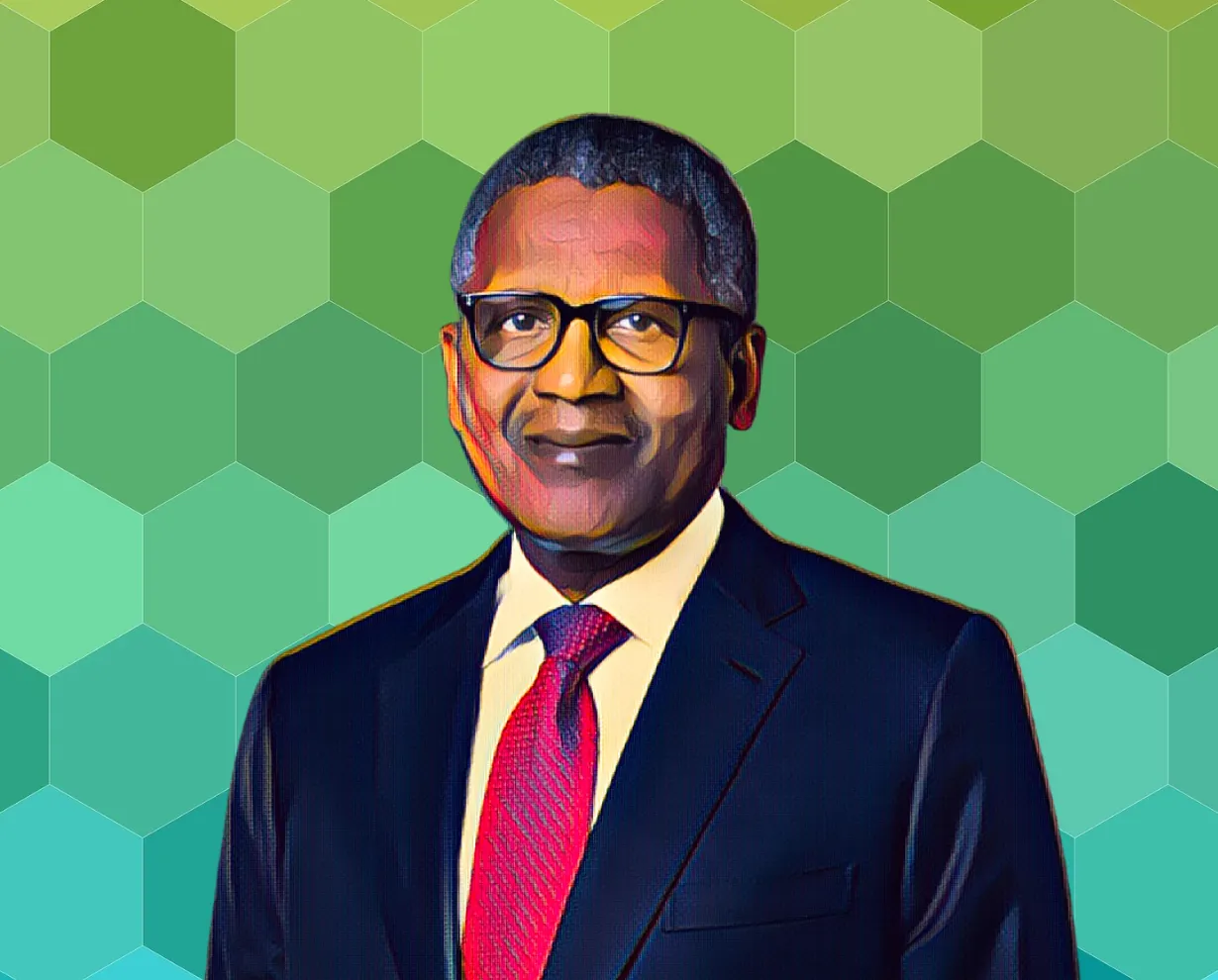
Ranked by Forbes as Africa's richest man, Dangote has spent his career arguing that the continent loses value by exporting raw crude and buying back refined fuel at a premium. A second mega-refinery, on the opposite coast, is the fullest expression of that argument he has yet attempted.
Nothing has been poured yet. The company describes the work as preparatory, with soil investigations running and engineering under way, and Ruto's promise of construction starting this year has not been matched by a stated groundbreaking date. Whether Lamu becomes East Africa's answer to Lekki, or another project whose costs outrun its estimates, will not be clear for years.
The intelligence satisfies curiosity. The paid briefings satisfy strategy.
Every Monday, Elite subscribers receive an Investor Memo breaking down the deal, the structure and the positioning behind the week's most consequential African wealth story - the kind of analysis that doesn't appear anywhere else.
Twice a month, a Wealth Intelligence brief profiles a single billionaire's holdings, cash flows and expansion pipeline in detail no public source matches.
→ Executive ($25/mo): Daily newsletter + Deep-Dive Reports
→ Elite ($75/mo): Everything above + Investor Memos + Wealth Intelligence + Quarterly Analyst Briefings
Subscribe now