


Table of Contents
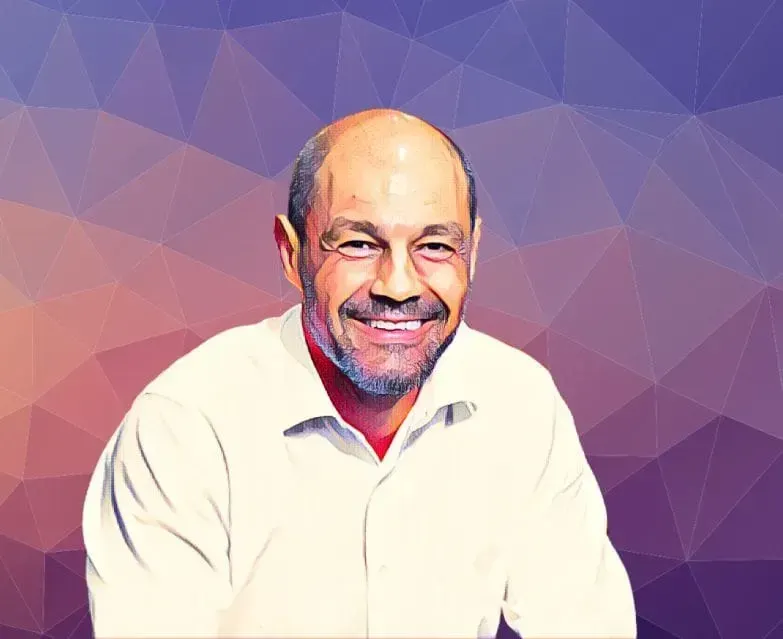
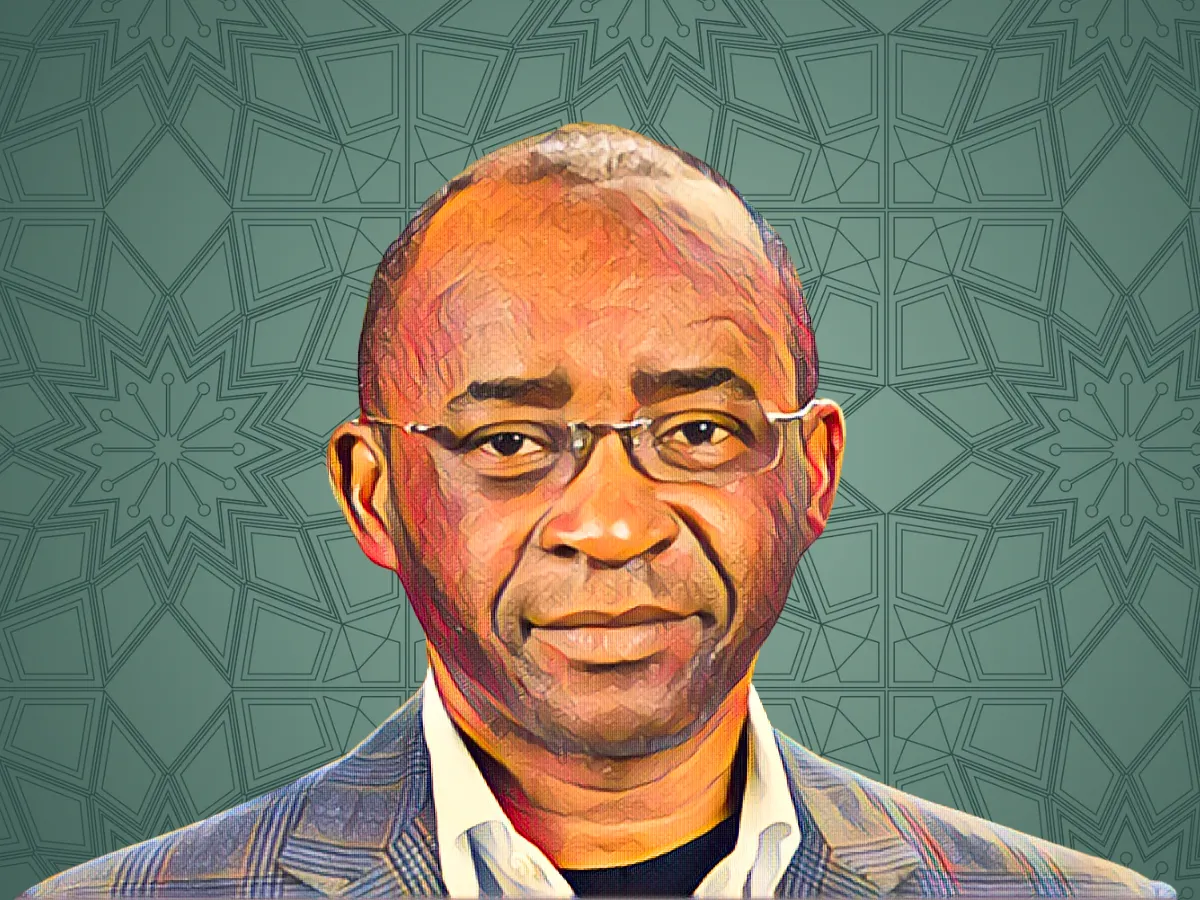
South African billionaires Stephen Saad and Mike Teke are shareholders in an investment company whose consortium has just paid 1.6 billion rand, about $99 million, for a third of a fibre business that lost 256 million rand last year and carries negative net asset value of 665 million rand.
The bet is that South Africa's townships are where broadband money is now made.
The DNI consortium subscribed for new shares in Frogfoot Networks and Vox Telecom, taking 34.8% between them in a transaction valuing the companies at 14.4 billion rand, or about $893 million at 16.13 rand to the dollar. After roughly 6 billion rand of debt, worth $372 million, the implied equity value is 8.4 billion rand, about $521 million. DNI itself holds 18.13% directly.
Saad co-founded Aspen Pharmacare with Gus Attridge in 1997 and remains its chief executive. It is now one of the largest pharmaceutical companies in the southern hemisphere. Teke founded Seriti Resources, the coal producer that bought South32's South African thermal coal assets and supplies a substantial share of Eskom's fuel, and runs Masimong Group Holdings. Both appear in the DNI shareholder register set out in the annual reports of Sabvest Capital, the Johannesburg-listed investment company that is DNI's largest outside holder.
The rest of that register runs through South African business. Peter Gain, the Mineworkers Investment Company, RMB Family Office Group Solutions and Dionne Ellerine, of the family behind the Ellerines furniture chain, all hold positions. The Mineworkers Investment Company, the investment arm of the National Union of Mineworkers, bought 25.1% for about 760 million rand, roughly $47 million, in 2020.
Sabvest holds 19.4% of DNI through a structure running via JAAH Investments and DN Invest, and appears in the fibre consortium in its own right, subscribing 754 million rand, about $47 million, for 8.97% of Frogfoot and Vox. Masimong Group Holdings and Draper Gain International complete the consortium.
DNI Group is not a household name and is not meant to be. It distributes SIM starter packs, airtime and handsets for mobile operators, runs tower leasing and technology platforms, and provides logistics and distribution to telecoms, banking and retail companies. It generates close to 10 billion rand in revenue, about $620 million, employs more than 1,000 people and operates in 29 countries. Sabvest describes it as its largest single investment.
Ryan Noach runs it. He is a medical doctor who joined Netcare in 2002 as medical director of Netcare 911, became chief operating officer in 2005, moved to Discovery Health in 2008 as head of provider relations, served as deputy chief executive from 2014 and chief executive from 2020, and left in 2024 to take over DNI on March 1 of that year. This is the largest investment the group has made.
What the consortium bought is a business under strain. Frogfoot and Vox reported a combined net loss after tax of 256 million rand, about $16 million, for the year to Aug. 31, 2025, and negative net asset value of 665 million rand, roughly $41 million, meaning liabilities exceed assets on the balance sheet. Sabvest is funding its share with new bank debt rather than cash.
The case for paying 14.4 billion rand for that rests on where the remaining customers are.
South Africa has roughly 4.5 million fibre-connected homes, and almost all of them are in higher-income suburbs. It took the industry a decade to reach them. More than 80% of the lower-income market has no fibre at all.
Noach's argument is that the economics favour going there. Township housing density is far higher than suburban density, so a fibre operator runs cable past more homes for every kilometre of trench it digs, and the cost of each connection falls accordingly. The capital is meant to quadruple Frogfoot's rate of connection from about 80,000 homes a year to 360,000 within twelve months, creating more than 5,000 direct jobs.
Frogfoot is South Africa's fourth-largest fibre network operator, providing infrastructure to homes, businesses and mobile towers. It was founded 25 years ago and acquired by Vox in 2015. Vox is the consumer and business-facing internet service provider, selling connectivity, voice, cloud and cybersecurity. Hypa is the prepaid fibre brand Vox launched in 2021, aimed at customers who buy data the way they buy airtime.
The three sit under Vivica Group, which split into four separate units around 2023: Frogfoot, Vox with Hypa, a renewable energy business called Stage Zero, and Vivica itself, which keeps four technology businesses and the head office. Abraham van der Merwe leads the group as chief executive.
Two other investor groups came in alongside DNI. Partnerships managed by the general partners of Metier Capital Growth Fund III reinvested after more than 20 years in the business, and EM-Three Investment Holdings, founded by Simphiwe Mehlomakulu, enters as third-largest direct shareholder. RMB Ventures and the Mineworkers Investment Company sold down, though MIC remains invested through DNI.
No shareholder controls Frogfoot or Vox before or after the transaction, and management holds equity directly. RMB, the corporate and investment banking arm of FirstRand, advised and funded the deal.
Ziyaad Manie, DNI's chief strategy officer, said the funding was structured on a ring-fenced basis so that the underlying cash flows of the investment service its own obligations rather than drawing on the wider group.
Whether the township thesis holds will take years to establish. What the transaction has already done is put 1.6 billion rand behind the proposition that the next four million South African fibre customers live somewhere the industry spent a decade avoiding.
The intelligence satisfies curiosity. The paid briefings satisfy strategy.
Every Monday, Elite subscribers receive an Investor Memo breaking down the deal, the structure and the positioning behind the week's most consequential African wealth story — the kind of analysis that doesn't appear anywhere else.
Twice a month, a Wealth Intelligence brief profiles a single billionaire's holdings, cash flows and expansion pipeline in detail no public source matches.
→ Executive ($25/mo): Daily newsletter + Deep-Dive Reports
→ Elite ($75/mo): Everything above + Investor Memos + Wealth Intelligence + Quarterly Analyst Briefings
Subscribe now