

Table of Contents
The collapse of Samir, Morocco's only oil refinery, cost the country about 66.5 billion dirhams, roughly $7.1 billion, according to a 2025 study published in Scientific African. That was equal to 4.4% of gross domestic product, and the closure cost nearly 1,000 jobs.
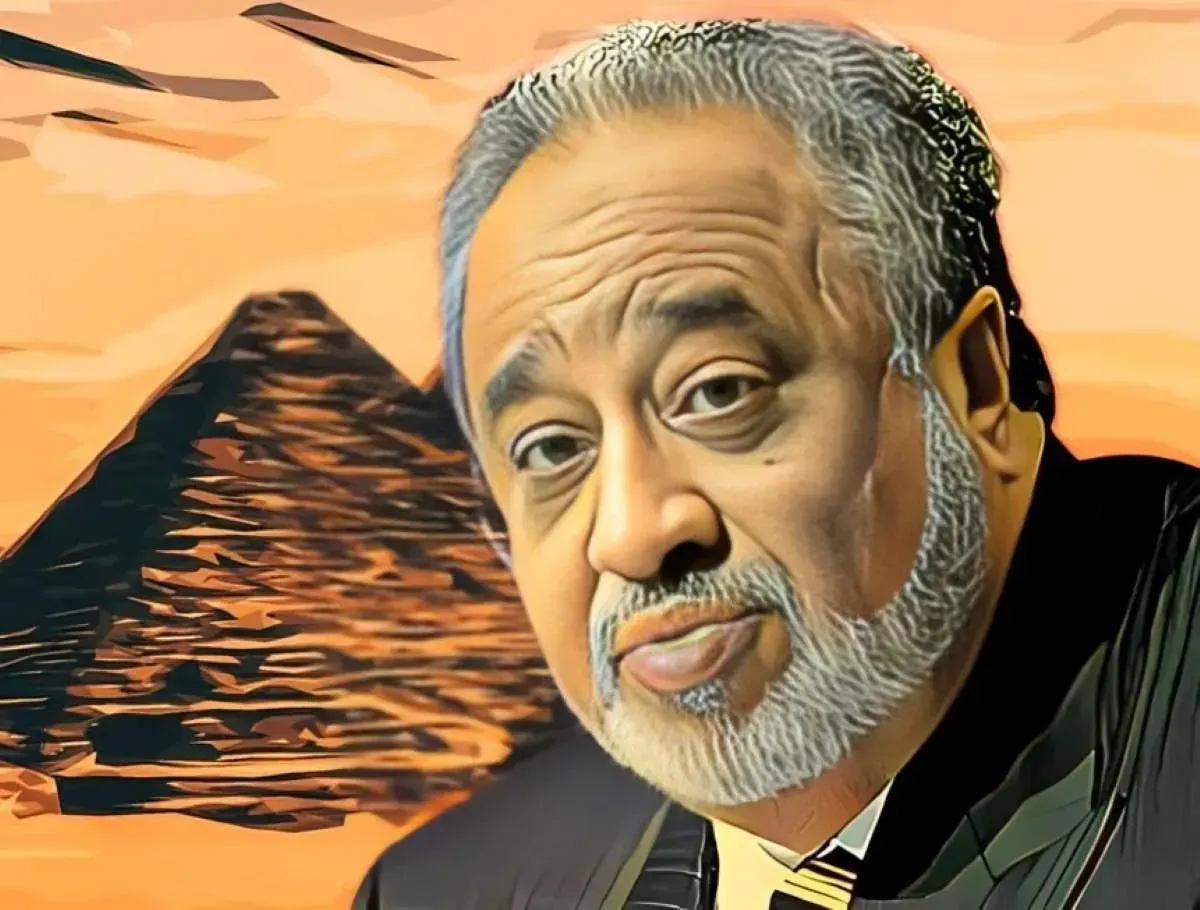
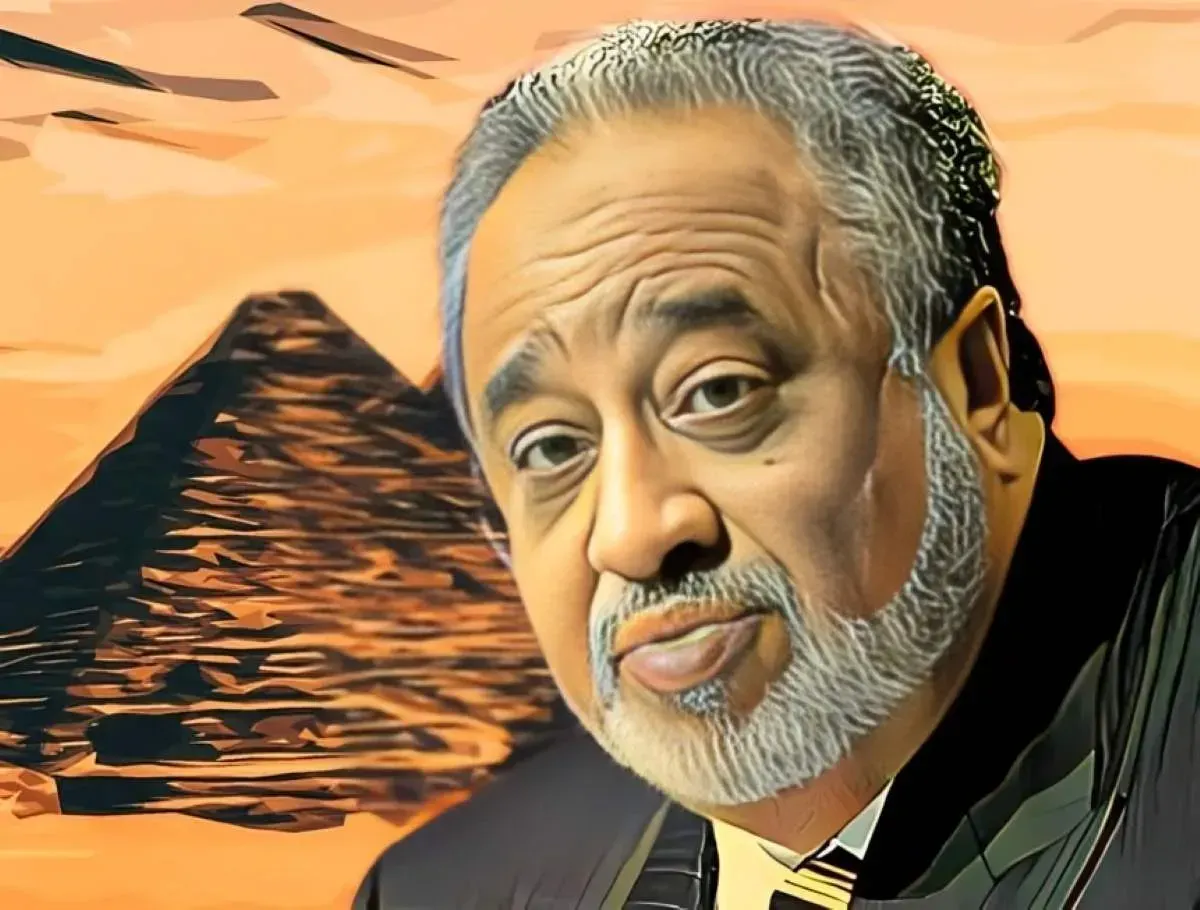
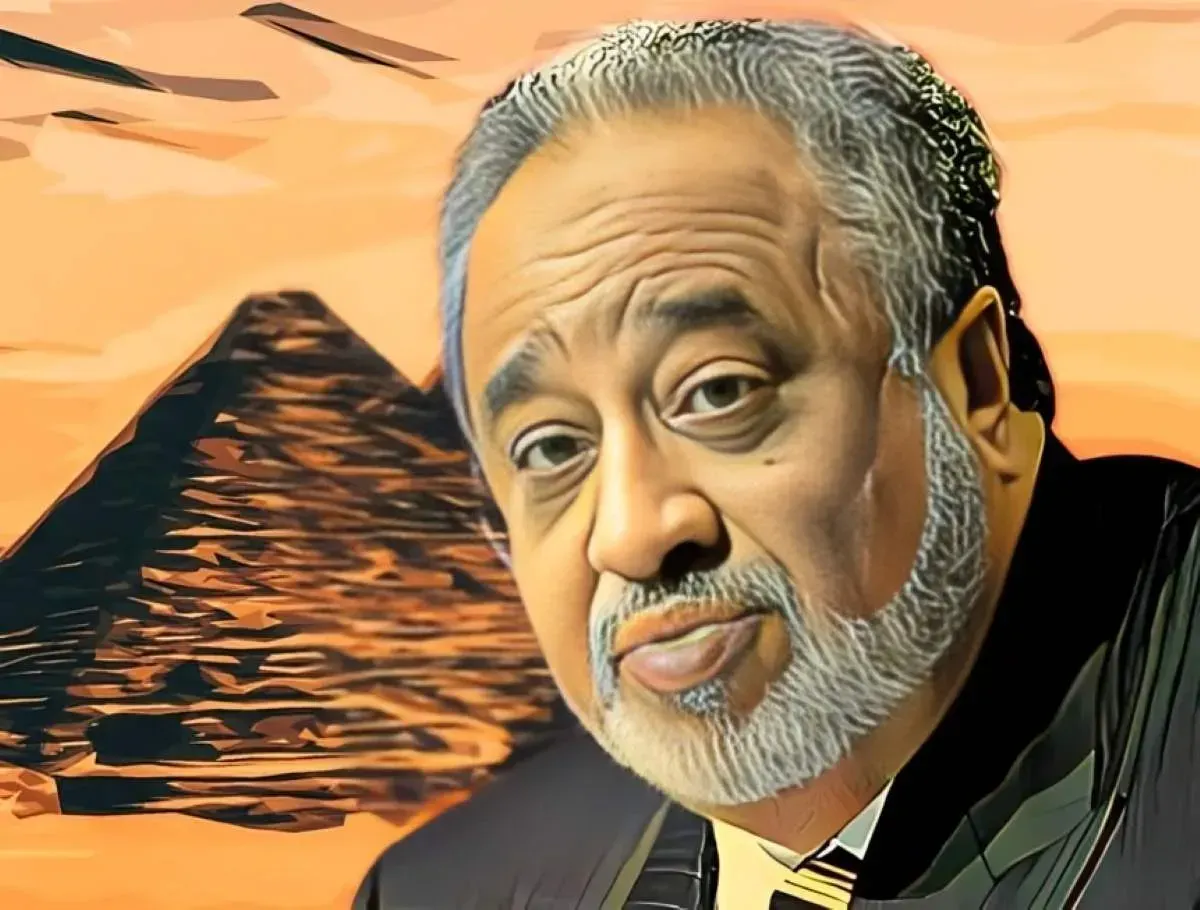
The refinery at Mohammedia, owned by Mohammed Al-Amoudi, has been idle since August 2015. It could process 10 million tonnes of crude a year, about 200,000 barrels a day, and held 2 million cubic metres of storage. Morocco now imports 90% of its energy as refined products, which leaves it exposed to every swing in global fuel prices.
The Africa Report traced the failure back to the deal that created it.
Samir was built in 1959 and nationalised in 1973. By the late 1990s Morocco was selling state companies to raise money under a structural adjustment programme set by the International Monetary Fund and the World Bank, and in 1997 it sold the refinery to Corral Petroleum Holdings, Al-Amoudi's company and the owner of the Swedish refiner Preem. Corral paid 4 billion dirhams, about $425 million in today's money, beating a consortium of local fuel distributors. An operator told The Africa Report it was cheap.
The terms protected him. The state guaranteed customs duties on imported fuel for five years, shielding Samir from competition, and Corral pledged nearly 5 billion dirhams of investment at Mohammedia and at a second site in Sidi Kacem.
The business worked at first, earning a profit of nearly $100 million in 2000, but the promised upgrades kept slipping. On the night of Nov. 25, 2002, fire tore through part of the site, killing two people and crippling production. Facing shortages, the government suspended customs duties so distributors could import refined fuel, which ended Samir's near-monopoly.
Al-Amoudi responded with a new pledge of more than 12 billion dirhams to modernise the plant. Little of it arrived. A hydrocracking unit, which turns heavy oil into diesel and jet fuel, finally started operating in 2010.
The losses came quickly after that. Samir lost about $430 million in 2014 on turnover of about $5.5 billion, and another $230 million in the first half of 2015. Al-Amoudi shut the complex that August, and a promised 6.7 billion dirham rescue never came.
The Casablanca Commercial Court placed Samir in liquidation in March 2016, in the largest bankruptcy in Moroccan history. It owed more than $4 billion to about 400 creditors, including the customs authority and the country's three biggest banks, and the court found its former management, including Al-Amoudi, responsible for the collapse.
He took Morocco to arbitration in 2018. Corral claimed $2.7 billion at the International Centre for Settlement of Investment Disputes, arguing that the state had obstructed its investments to favour local companies such as Afriquia, the fuel distributor owned by Aziz Akhannouch, the billionaire who became Morocco's head of government in 2021. The tribunal awarded Corral $150 million in 2024, and payment has been suspended while the ruling is challenged.
Fifteen offers to take over the refinery have failed since bidding opened in 2017. The most recent, a $3.5 billion approach from the Emirati group MJM Investments, was declared inadmissible by the court in February, and a source close to the case dismissed it to The Africa Report as a bluff from a company with no background in energy. Morocco's upper house rejected a proposal to nationalise the plant in June.
Al-Amoudi's own position was weakened in the same period. He was among the businessmen detained at the Ritz-Carlton in Riyadh in Saudi Arabia's anti-corruption purge in November 2017, held for about 14 months without charges being made public, and released in January 2019 after Ethiopia's prime minister, Abiy Ahmed, lobbied Crown Prince Mohammed bin Salman in person. A person close to him later told the Wall Street Journal that he paid heavily for his release.
Morocco has chosen storage over rebuilding. Fuel storage capacity reached 3.2 million cubic metres in 2025, up 30% on 2021, according to energy transition minister Leila Benali, with a further 1.5 million cubic metres planned by 2030. That cushions the country against price spikes and supply shocks, but it does not restore the ability to refine fuel at home.
Al-Amoudi, 80, told the executives of his Ethiopian conglomerate MIDROC last week to lift its workforce from about 80,000 to as many as 120,000. Bloomberg valued him at $9.12 billion in March.
The intelligence satisfies curiosity. The paid briefings satisfy strategy.
Every Monday, Elite subscribers receive an Investor Memo breaking down the deal, the structure and the positioning behind the week's most consequential African wealth story - the kind of analysis that doesn't appear anywhere else.
Twice a month, a Wealth Intelligence brief profiles a single billionaire's holdings, cash flows and expansion pipeline in detail no public source matches.
→ Executive ($25/mo): Daily newsletter + Deep-Dive Reports
→ Elite ($75/mo): Everything above + Investor Memos + Wealth Intelligence + Quarterly Analyst Briefings
Subscribe now