

Table of Contents
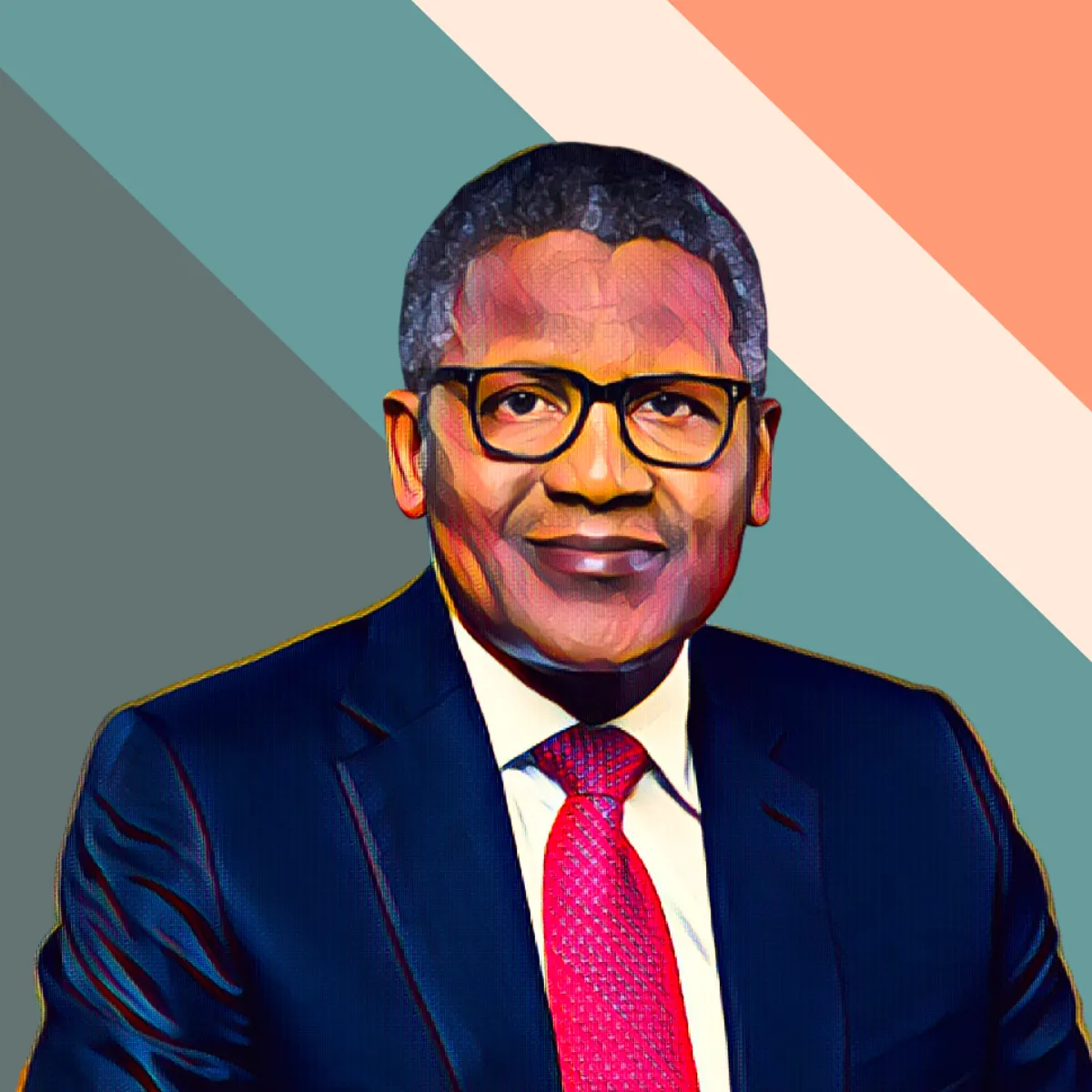
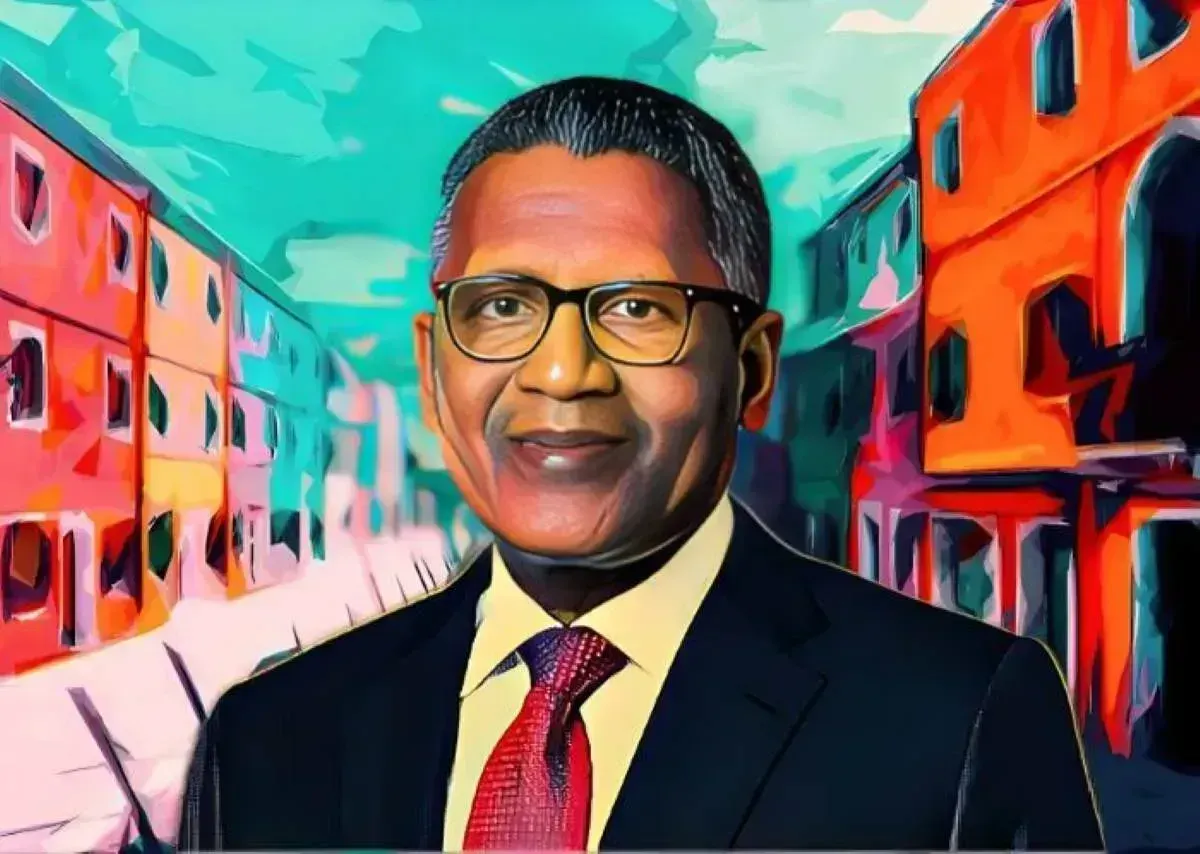
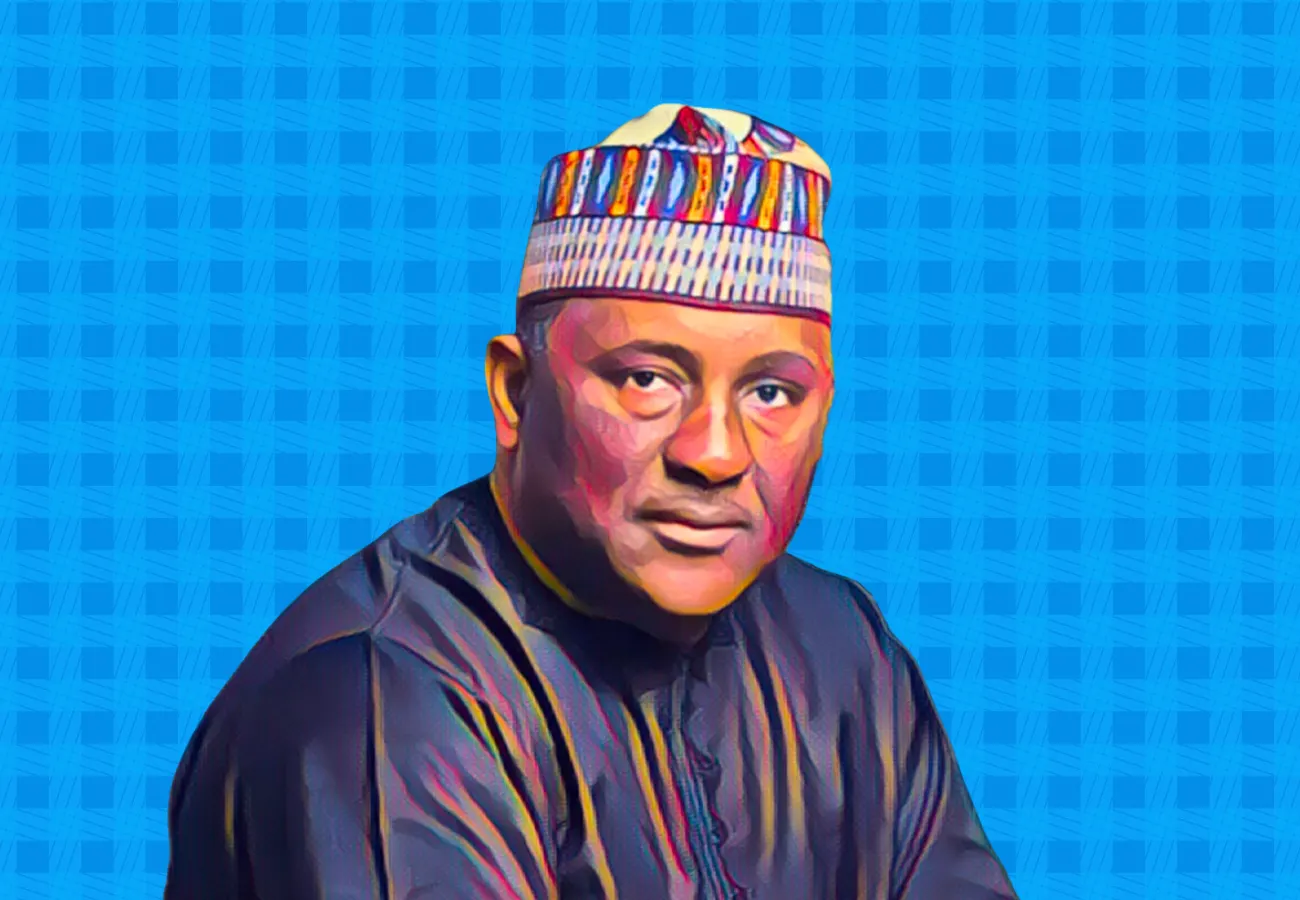
Abdul Samad Rabiu traveled to Kigali this week and left with a trophy and a challenge. The BUA Group chairman was named CEO of the Year at the Africa CEO Forum Awards 2026, one of six leaders and companies recognised at the annual gathering of the continent's most powerful business figures. Then he stepped to the podium and told the room, including several heads of state, what he actually thought.
"Your excellencies, Africa does not lack ambition," he said. "What it has lacked is coordinated execution at scale."
The Africa CEO Forum, held in Rwanda's capital on May 13 and 14, brought together African presidents, finance ministers and private sector leaders at a moment the organisers described as defining. Geopolitical tensions, shifting global trade alliances and the restructuring of supply chains have created pressure points that, Rabiu argued, Africa has a narrow window to convert into opportunity.
His core argument was not new. He has been making versions of it for years, at Mining Indaba in Cape Town, at the Africa Finance Corporation forum, in an interview with The Africa Report published last week. What the Kigali speech added was urgency and a harder deadline. "The moment is here. The choice is ours and the time is now. Africa at scale is not an aspiration, it is a decision," he said.
The decision he has in mind is structural. Africa holds roughly 30 percent of the world's mineral reserves and about 60 percent of its arable land, but captures a fraction of the value generated from each. Four African countries produce approximately 75 percent of the world's cocoa, yet Africa captures only a small slice of the $200 billion global chocolate industry. Nigeria sits on over four billion tonnes of iron ore and spends between $3 billion and $4 billion every year importing steel. The pattern, raw materials leaving the continent and finished products returning at a premium, repeats across sectors. Rabiu has lived that pattern and built his way out of one version of it.
When BUA entered cement production, Nigeria was dependent on imports despite sitting on limestone deposits of extraordinary size. He described, as he often does in these settings, the years of chasing foreign exchange to buy cement from abroad, navigating currency volatility and supply disruptions that could have been solved domestically. BUA made the decision to build its own production capacity. Today the company mines and processes roughly 40,000 tonnes of limestone daily and produces approximately one million tonnes of cement monthly. Nigeria is now a net exporter of cement. That is the practical illustration behind the rhetorical argument.
"History will not judge us by the speeches we deliver," he said in Kigali. "It will judge us by the systems we build and whether they enable Africa to rise at scale."
The CEO of the Year award recognised BUA's industrial record and Rabiu's philanthropy through ASR Africa, the foundation to which he commits $100 million annually across Nigeria and the continent. BUA Foods recorded revenues of 1.77 trillion naira, approximately $1.3 billion, in 2025. BUA Cement carries a market capitalisation of approximately 14.16 trillion naira, roughly $10.3 billion.
His Kigali speech landed in the same week he gave a pointed interview to The Africa Report in which he described trying to sell sugar in Mali and running into a government-protected importer who blocked the deal despite offering consumers a lower price. He said AfCFTA, the African Continental Free Trade Area, is not working in the ways that matter for companies trying to sell processed goods across borders. He said regional integration on paper means nothing if governments use tax and customs policy to shield connected middlemen from African competitors. And he said BUA had signed a memorandum of understanding with Abu Dhabi's AD Ports Group to explore sugar refining and edible oils projects in the UAE, because the enabling conditions he wants in Africa are currently easier to find in the Gulf. "It's sad for Africa," he said in that interview.
The two messages, the inspirational one delivered in Kigali and the harder one given to The Africa Report, are not contradictory. They are the same argument from two angles. The Kigali speech was for heads of state. The Africa Report interview was for investors and industrialists who have already run into the walls he is describing.
Nigerian President Bola Tinubu was also in Kigali for the forum, using the occasion to pitch Nigeria as Africa's top investment destination and to hold a bilateral meeting with Rwandan President Paul Kagame, with the two leaders agreeing to deepen economic ties.
The intelligence satisfies curiosity. The paid briefings satisfy strategy.
Every Monday, Elite subscribers receive an Investor Memo breaking down the deal, the structure and the positioning behind the week's most consequential African wealth story - the kind of analysis that doesn't appear anywhere else.
Twice a month, a Wealth Intelligence brief profiles a single billionaire's holdings, cash flows and expansion pipeline in detail no public source matches.
→ Executive ($25/mo): Daily newsletter + Deep-Dive Reports
→ Elite ($75/mo): Everything above + Investor Memos + Wealth Intelligence + Quarterly Analyst Briefings
Subscribe now