


Table of Contents
In 1984, a man named Amor Benamor started a small tomato-processing plant in El Fedjoudj, a commune in the northeastern Algerian province of Guelma. The facility processed 200 tonnes of tomatoes a day. It was modest, regional and entirely unremarkable by the standards of what it would eventually become.
When Amor Benamor died in 2003, his son Mohamed Laid took over. What followed is one of Algeria's most instructive stories about what a second-generation entrepreneur can do when he understands that inheriting a business is not the same as inheriting its ceiling.
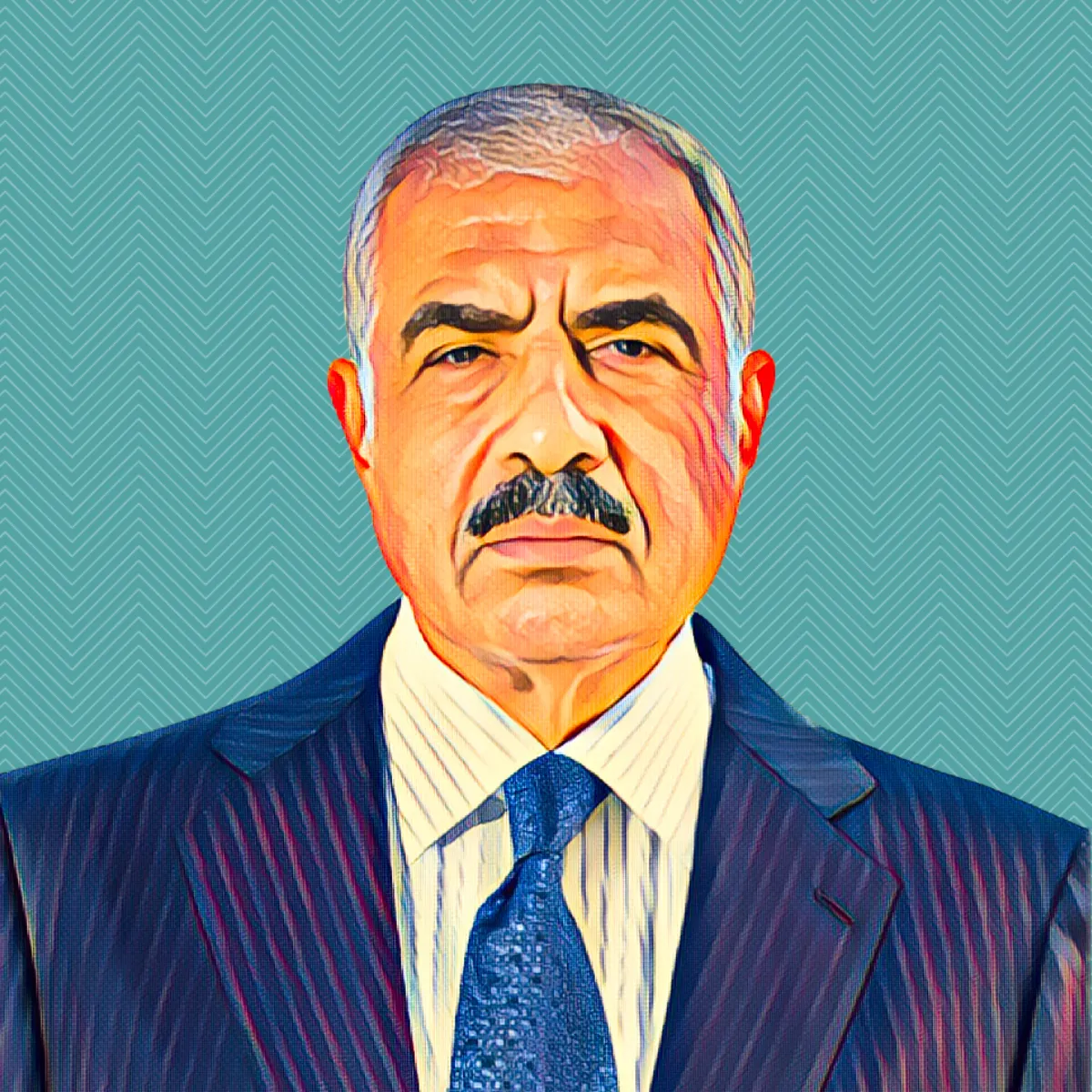
Mohamed Laid Benamor was born on October 7, 1966, in Annaba, Algeria's northeastern coastal city. He was raised within the rhythms of a family business, absorbing his father's operational philosophy from proximity rather than classroom. Amor Benamor founded the group in 1984 in the El Fedjoudj industrial zone of Guelma Province, beginning with the Canneries Amor Benamor, a facility specializing in tomato concentrate, harissa and fruit jams. The business was rooted in a single, specific agricultural product and one province. Mohamed Laid changed both of those boundaries.
He took the reins in 2003 following his father's death, inheriting a company that was already generating several billion Algerian dinars in annual revenue but had not yet expanded into the staple grain categories that would define the group's national dominance. His first significant move was accelerating a diversification that had begun around 2000. Around that period, the group launched Moulins Amor Benamor, a semolina milling subsidiary, entering the durum wheat processing sector that sits at the center of Algerian daily nutrition. In 2009, the group began manufacturing pasta, completing a vertical expansion that connected raw wheat procurement to finished consumer products on the same industrial platform.
The revenue numbers trace the impact of those decisions clearly. Annual turnover grew from 6.2 billion dinars, approximately 66 million euros, in 2003, to 19.2 billion dinars, approximately 195 million euros, by 2011. It has continued growing since. Today, the Benamor Group generates annual revenue of over $250 million, employs more than 1,000 people and processes 3,000 tonnes of tomatoes per day, fifteen times the volume of the original cannery his father opened four decades ago.
The product range now spans semolina, couscous, pasta, tomato paste, fruit jams, culinary aids, spices and canned vegetables. The Amor Benamor brand appears in households across Algeria and in export markets across North Africa and Europe. Groupe Benamor has been described as one of North Africa's largest and most successful food manufacturers, with products reaching customers throughout Europe and powered by industrial infrastructure that includes Caterpillar generator sets maintaining continuous production at its Guelma facilities.
The group's reach has pulled international attention. A US trade delegation that included wheat producers visited the Benamor Group's facilities in El Fedjoudj to exchange ideas on wheat quality and explore partnership opportunities between American producers and Algerian processors. US Ambassador to Algeria Henry Ensher also visited the group at the same location. Benamor described the meetings as opening serious prospects for agricultural cooperation, particularly in wheat production and marketing.
In a 2012 interview, Benamor outlined plans to build a large mill that would triple the group's current production output, alongside significant expansion of pasta and couscous capacity. The expansion has since materialized. The group has also diversified into real estate development and agricultural land management, extending the family's footprint beyond food processing into Algeria's growing construction and property sectors.
Benamor has served as president of the Algerian Chamber of Commerce and Industry, a position that placed him at the center of private sector policy discussions with government. He also leads the Wheat Quality Improvement Network, a body focused on upgrading standards across Algeria's grain production and milling industry. Both roles reflect a profile that extends beyond corporate management into national economic governance.
His net worth is estimated at approximately $500 million, making him one of the wealthiest privately held food industry figures in North Africa. The Benamor Group remains entirely family-owned, with no public listing and no institutional investor.
The cannery in Guelma still operates. It now processes fifteen times what it did when Amor Benamor first opened it. His son Mohamed Laid built that distance in two decades, using the same location, the same family name and a very different scale of ambition.
The intelligence satisfies curiosity. The paid briefings satisfy strategy.
Every Monday, Elite subscribers receive an Investor Memo breaking down the deal, the structure and the positioning behind the week's most consequential African wealth story — the kind of analysis that doesn't appear anywhere else.
Twice a month, a Wealth Intelligence brief profiles a single billionaire's holdings, cash flows and expansion pipeline in detail no public source matches.
→ Executive ($25/mo): Daily newsletter + Deep-Dive Reports
→ Elite ($75/mo): Everything above + Investor Memos + Wealth Intelligence + Quarterly Analyst Briefings
Subscribe now