

Table of Contents
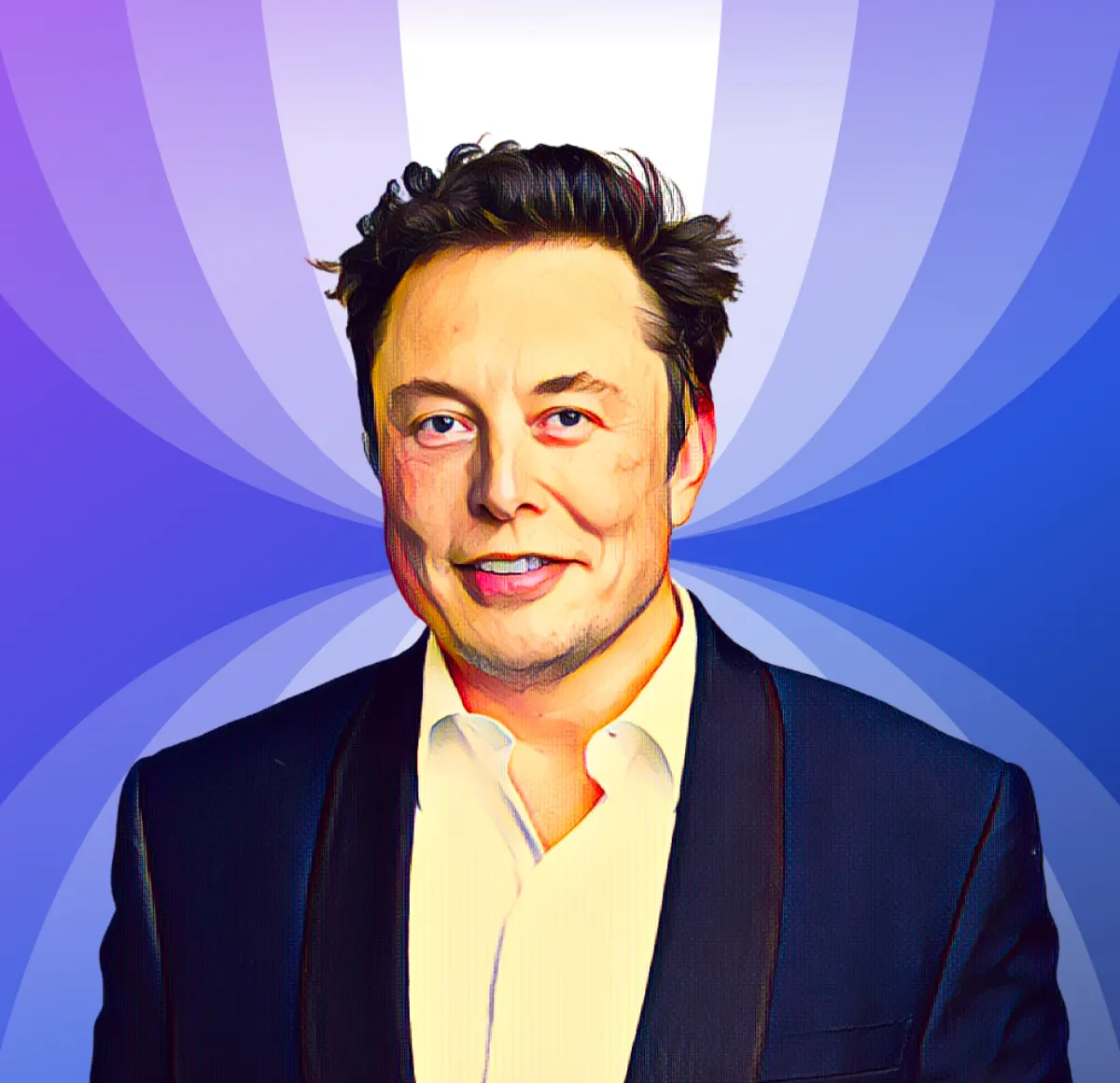
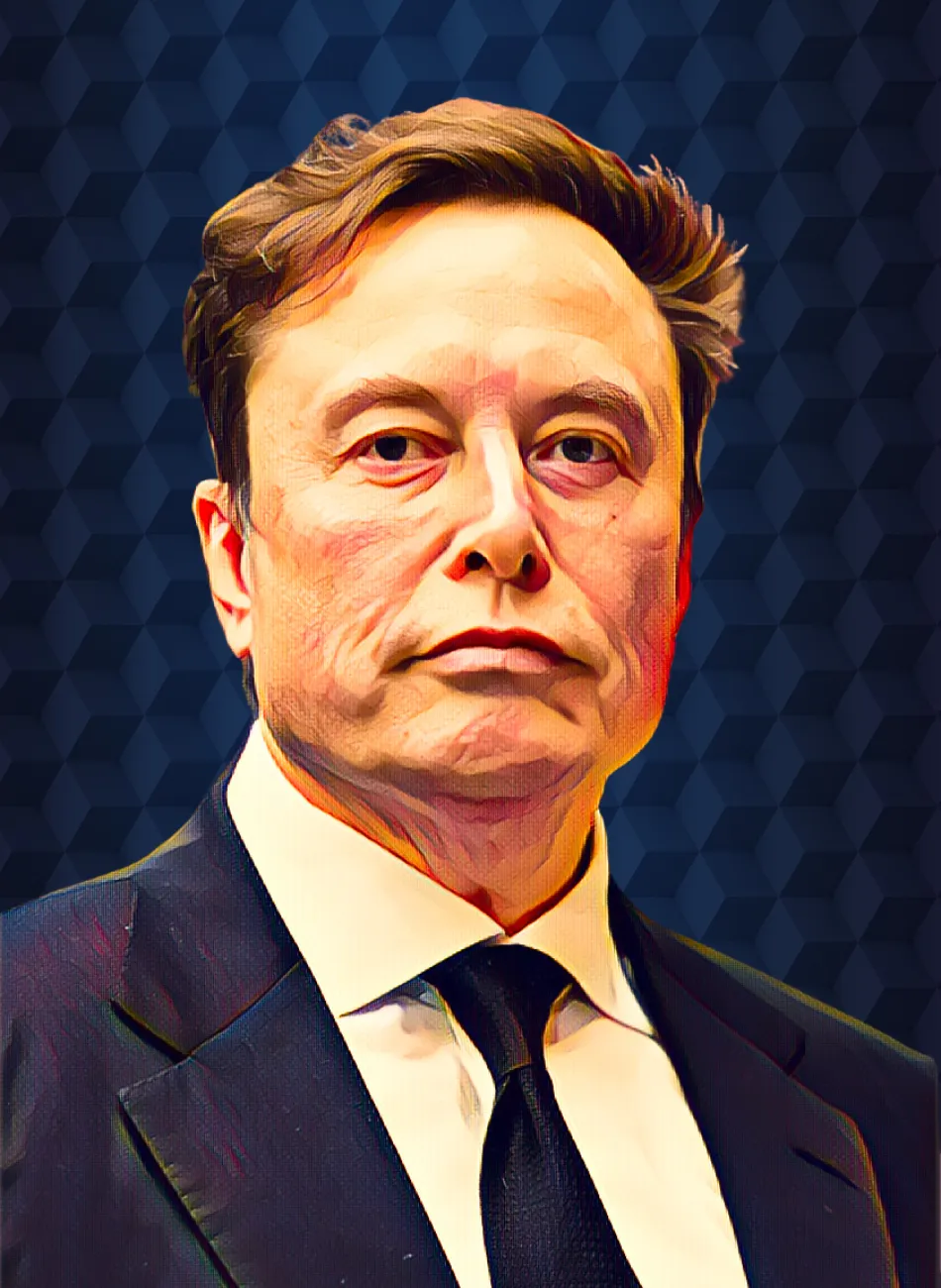
Elon Musk is poised to become the world’s first trillionaire on Friday, a financial milestone driven by the initial public offering of his aerospace company, SpaceX.
The valuation surge means Musk’s personal fortune grew by more than $550 billion over the past year. According to a new analysis by the anti-poverty organization Oxfam, that accumulation breaks down to an average rate of over $1 million per minute.
The milestone has renewed intense debate over corporate power and wealth concentration. Oxfam researchers reported that a $1 trillion fortune makes Musk wealthier than the poorest 46% of the global population combined, a demographic that includes roughly 3.8 billion people.
Nabil Ahmed, senior director of economic justice at Oxfam America, called the milestone a reflection of an economic system designed to favor the ultra-wealthy. Ahmed said that the rise to trillionaire status marks a new pinnacle of oligarchy and creates risks for democratic institutions. He added that the fortune was fueled by an era of regressive public policy choices.
The scale of a $1 trillion net worth alters traditional understandings of individual wealth. If Musk spent $1 million every day, it would take him 2,740 years to exhaust the fortune. Alternatively, he could distribute $100 to every person on Earth and still retain more than $184 billion, keeping him among the ten richest people in the world.
Oxfam reported that a 10% tax on Musk’s projected fortune could generate enough revenue to lift more than 800 million people out of extreme poverty for an entire year, based on global economic data.
The report highlights how federal policy and government contracts helped build Musk's companies. SpaceX draws approximately 20% of its revenue from federal government contracts. Advocacy groups, including Public Citizen, have noted that corporate tax structures, including provisions in the Tax Cuts and Jobs Act, allowed his businesses to minimize federal income tax liabilities.
Musk’s financial reach has also intersected directly with American governance. His recent leadership role in the Department of Government Efficiency, or DOGE, gave him a platform to recommend sweeping cuts to federal agencies. Public Citizen found that over 70% of the agencies targeted by the efficiency group presented potential conflicts of interest with Musk’s various business ventures, which include Tesla, X, and Starlink.
The SpaceX public offering is expected to create significant returns for a network of venture capital firms, company executives, and politically connected insiders. Anticipated beneficiaries include Donald Trump Jr., NASA Administrator Jared Isaacman, and prominent technology investors Peter Thiel and Marc Andreessen.
Critics argue that the concentration of such immense wealth allows private individuals to exert disproportionate control over public infrastructure and discourse. Since acquiring the social media platform X, formerly Twitter, Musk has faced scrutiny for scaling back content moderation teams. A study by the Center for Countering Digital Hate found that misleading election-related posts by Musk accumulated billions of views, while separate academic research noted an increase in hate speech on the platform following the takeover.
Oxfam officials said the current situation mirrors the American Gilded Age of the late 19th century, when industrial monopolies concentrated wealth in a small number of hands. The organization is using the milestone to pressure international governments to change tax policies.
The group is calling for coordinated global action to address wealth disparities. Recommendations include implementing progressive wealth taxes on the ultra-rich, strengthening worker protections, and increasing federal oversight on corporate monopolies to ensure corporate growth does not come at the expense of public services.
The intelligence satisfies curiosity. The paid briefings satisfy strategy.
Every Monday, Elite subscribers receive an Investor Memo breaking down the deal, the structure and the positioning behind the week's most consequential African wealth story - the kind of analysis that doesn't appear anywhere else.
Twice a month, a Wealth Intelligence brief profiles a single billionaire's holdings, cash flows and expansion pipeline in detail no public source matches.
→ Executive ($25/mo): Daily newsletter + Deep-Dive Reports
→ Elite ($75/mo): Everything above + Investor Memos + Wealth Intelligence + Quarterly Analyst Briefings
Subscribe now