

Table of Contents
Good evening from Billionaires.Africa. Here's the catch-up since Friday's brief.
The week opened on scale. One African group is on course to double its revenue inside twelve months. One American chipmaker authorised more share buybacks than most African economies produce in a year. And at the other end of the register, a Ugandan tycoon was ordered to pay $256,136 for work on two buildings that were never built, and workers at a jailed Malagasy businessman's group spent the week asking a court official whether they would be paid at all. Compounding and its absence, in the same three days.
The doubling. Dangote Group says revenue reached about $17 billion in the first half of 2026 and is on track to reach $36 billion for the year, against $18 billion in 2025. The rest of the group moved with it: Dangote Cement will add about 25 million tonnes to reach 80 million tonnes of capacity, funded mainly from cash flow and supplier credit, according to Arvind Pathak; and in Kenya, Aliko Dangote offered the government 500 megawatts from the 1,000-megawatt plant planned alongside his Lamu refinery.
A quiet Nigerian deal worth watching. Cornelis Vink's TGI Group is buying UAC of Nigeria's entire 43% holding in DP World Logistics, the warehousing and distribution business formerly known as MDS Logistics, in a deal disclosed to the exchange on Sept. 24. The buyer is 22 Plus Invest, part of Vink's group. The two sides have traded before in the other direction: Vink founded CHI Limited, the maker of Chivita and Hollandia, which passed to Coca-Cola and then to UAC, which finished integrating it only months ago.
Nigeria's cost of money. George Onafowokan, who runs the cable maker Coleman, demanded a rate cut from the Bank of Industry, saying recapitalisation pushed lending rates to 22 to 23 per cent, below the central bank's old 26.5 per cent benchmark but far above what a manufacturer can carry. It is the same complaint from the same industrial base that has spent years building its own power supply.
Pay, judgments and receivership. Marcel Golding's pay rose fivefold to R5.25 million, about $322,000, at AOE, where profit attributable to shareholders fell 72% to R3.5 million. A Ugandan court ordered Patrick Bitature to pay Finicon $256,136 plus nine years of interest for design work on two projects never built. And staff at Sodiat, the Malagasy group owned by the jailed tycoon Mamy Ravatomanga, met the court official now running it to ask about wages and layoffs. (Proceedings are contested and untested; nothing here is a finding against any party.)
Building out. Algeria's Abderrahmane Benhamadi is shipping 37 containers of electronics and appliances to six markets, entering Mali for the first time as a gateway to the Sahel. South Africa's Gold Fields approached Northern Star Resources about a takeover and was rebuffed, Bloomberg reported; the Australian miner is worth $22.1 billion. And in Maputo, Salimo Abdula backed Islamic finance as a way to widen the funding options open to Mozambican companies.
Around the world. Nvidia authorised another $150 billion of share buybacks on Sept. 28, taking remaining capacity to $235 billion through fiscal 2028, and separately launched a two-layer system to contain rogue AI agents. Larry Ellison pledged 67 million more Oracle shares as loan collateral, lifting his total to about 413 million shares worth roughly $57 billion. Lithuania barred Alisher Usmanov and Mikhail Fridman for five years on Sept. 25, three days after the EU lifted its sanctions on both men. Bill Gates, who has spent the month putting $1 billion into AI for the poorest countries, told NBC the same technology is powerful enough to drive events causing a billion deaths. Andrey Melnichenko said rate rises cannot cure supply-driven inflation. Ken Griffin won a committee vote on his private helipad over objections from eight towers housing about 2,000 residents. And John Poindexter, 81 and without heirs, is spending his fortune rebuilding Shafter, a Texas silver-mining ghost town with about 25 residents.
The takeaway. Doubling revenue in a year is not a growth rate; it is a phase change, and it happens when a business stops selling into a market and starts being the market's supply. Dangote's $17 billion half-year is the refinery coming fully online on top of a cement business that was already the continent's largest, and the cement arm is funding its next 25 million tonnes from cash flow and supplier credit rather than from banks, which is the more important sentence in the whole week. Meanwhile George Onafowokan is explaining why a Nigerian manufacturer cannot borrow at 22 per cent. Both men are building in the same country. One of them has outgrown its financial system, and the other is still trapped inside it. That gap, not the headline number, is the African wealth story of this decade.
On the site
- Aliko Dangote's empire is on course to double revenue to $36 billion in a single year
- Dutch-Nigerian billionaire Cornelis Vink buys UAC's 43% of DP World's Nigerian logistics arm
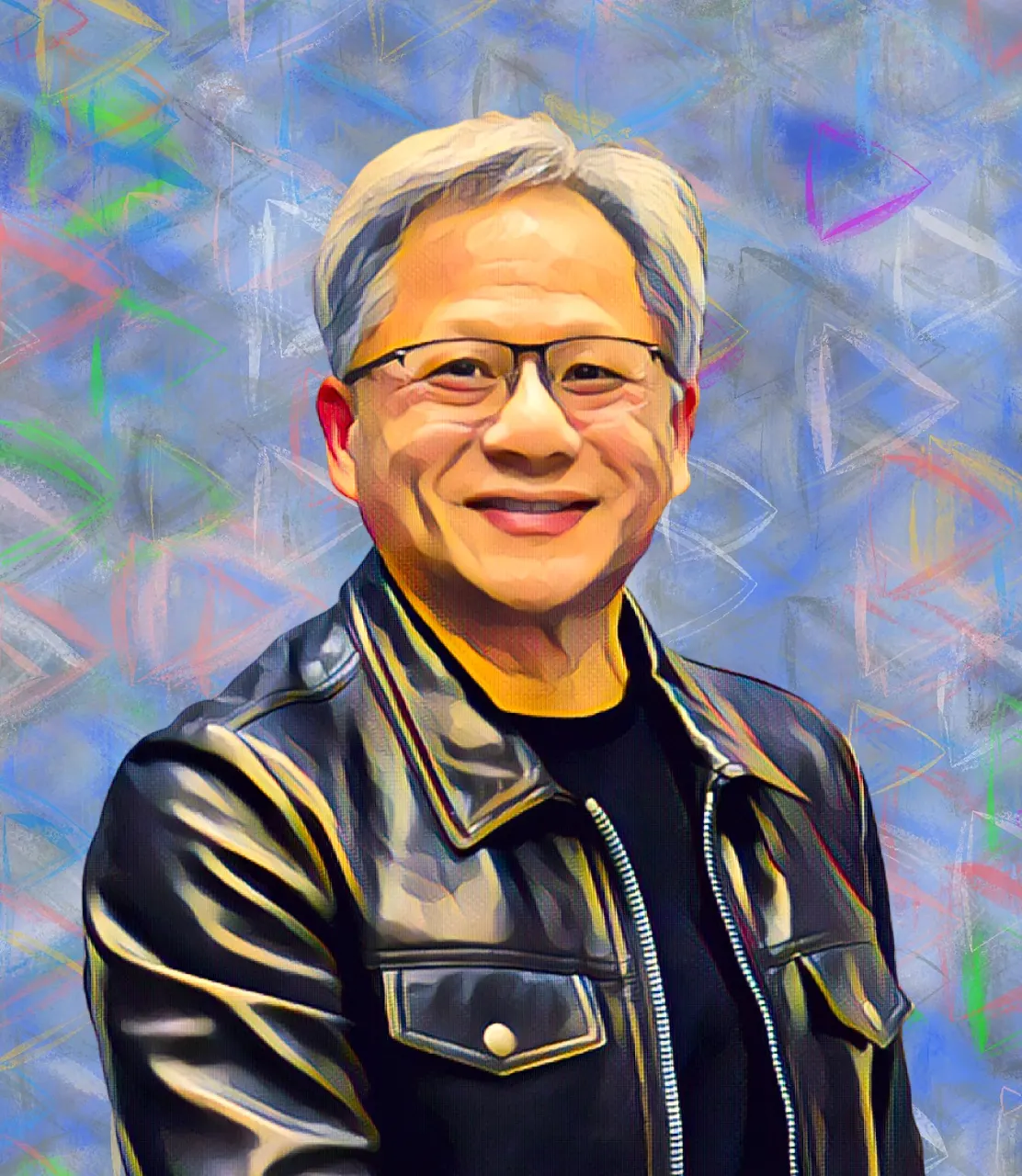
- Billionaire Jensen Huang's Nvidia approves a record $150 billion share buyback
- Billionaire Jensen Huang bets Nvidia chips can keep AI agents from going rogue
- Billionaires Alisher Usmanov and Mikhail Fridman lose access to Lithuania for five years
- Russian billionaire Andrey Melnichenko says raising rates cannot fix today's inflation
- No wife, no children: billionaire John Poindexter is leaving his fortune to a Texas ghost town
- Nigerian billionaire Aliko Dangote's cement arm targets 80 million tonnes of capacity
- Nigerian cable tycoon George Onafowokan demands a rate cut from the Bank of Industry
- South Africa's Gold Fields tries to buy Australia's biggest gold miner and gets turned down
- South African tycoon Marcel Golding's pay jumps fivefold as AOE profit falls 72%
- Ugandan tycoon Patrick Bitature loses a $256,000 case over two buildings he never built
- Africa's richest man offers to sell Kenya 500 megawatts from his Lamu refinery
- Algerian billionaire Abderrahmane Benhamadi's Condor breaks into Mali with 37 containers
- Mozambican tycoon Salimo Abdula backs Islamic finance as a new funding route for business
- Malagasy tycoon Mamy Ravatomanga's workers want to know if they will still be paid
- Billionaire Ken Griffin wins a vote on the private helipad his neighbours are fighting
- Bill Gates says AI is powerful enough to cause a billion deaths
- Billionaire Larry Ellison pledges another $9.2 billion of Oracle stock to borrow against
Behind the paywall — for paid members
Today's premium briefings:
- Elite · Investor Memo — The Doubling. Dangote Group is on course to take revenue from $18 billion to $36 billion in a single year. What that number is actually made of, why the cement arm funding 25 million tonnes from cash flow matters more than the headline, and the three things that would tell you whether the doubling holds. In Investor Memo.
- Executive · Deep-Dive Report — The Quiet Conglomerate. Cornelis Vink built Chivita and sold it to Coca-Cola. His TGI Group is now buying UAC's 43% of DP World Logistics, and the logic is the oldest one in African business: own the road your own goods travel on. Inside the least-discussed large fortune in Nigeria. In Deep-Dive Report.
- Insider · The Inside Story — The Company That Built Its Own Power Station. Coleman was a trading business in 1975 and did not make a cable until 1996. It is now West Africa's largest cable manufacturer, and it spent $20 million generating its own electricity to get there. Fifty years, two generations, and the cost of manufacturing in a country that cannot keep the lights on. In The Inside Story.
Recently published:
- Wealth Intelligence: The Cost of Being Right — Strive Masiyiwa and the InfraCo Slide
- Deep-Dive Report: The $1.2 Billion Handover — Chappal Energies After Equinor
- The Inside Story: Twelve Years on Robben Island, Then a Gold Empire — Mzi Khumalo's Metallon
- Investor Memo: The Clean Exit — Saki Macozoma's R11.7 Billion Manganese Sale to Exxaro
→ Executive ($25/mo): Daily newsletter + Deep-Dive Reports · → Elite ($75/mo): Everything above + Investor Memos + Wealth Intelligence + Quarterly Analyst Briefings + the complete 20-volume library, free on request. Subscribe
Billionaires.Africa — the world's premier source of news on Africa's billionaires and UHNWIs. Forward to a colleague.
Figures are point-in-time estimates from public sources including Forbes, Bloomberg, company disclosures and exchange filings, as of reporting; a stake's value is not a measure of net or liquid wealth, and figures change with markets and currencies. Company valuations, revenues and share stakes are not measures of an individual's personal net worth, and where wealth is undisclosed or cannot be verified no figure is asserted. Legal matters are reported as matters of public record and attributed to their sources; allegations are contested and untested, individuals and companies are presumed to act lawfully absent a ruling, and those not accused of wrongdoing are noted as such. Editorial analysis, not investment, legal or tax advice. © 2026 Billionaires.Africa Inc.
The intelligence satisfies curiosity. The paid briefings satisfy strategy.
Every Monday, Elite subscribers receive an Investor Memo breaking down the deal, the structure and the positioning behind the week's most consequential African wealth story - the kind of analysis that doesn't appear anywhere else.
Twice a month, a Wealth Intelligence brief profiles a single billionaire's holdings, cash flows and expansion pipeline in detail no public source matches.
→ Executive ($25/mo): Daily newsletter + Deep-Dive Reports
→ Elite ($75/mo): Everything above + Investor Memos + Wealth Intelligence + Quarterly Analyst Briefings
Subscribe now