

Table of Contents
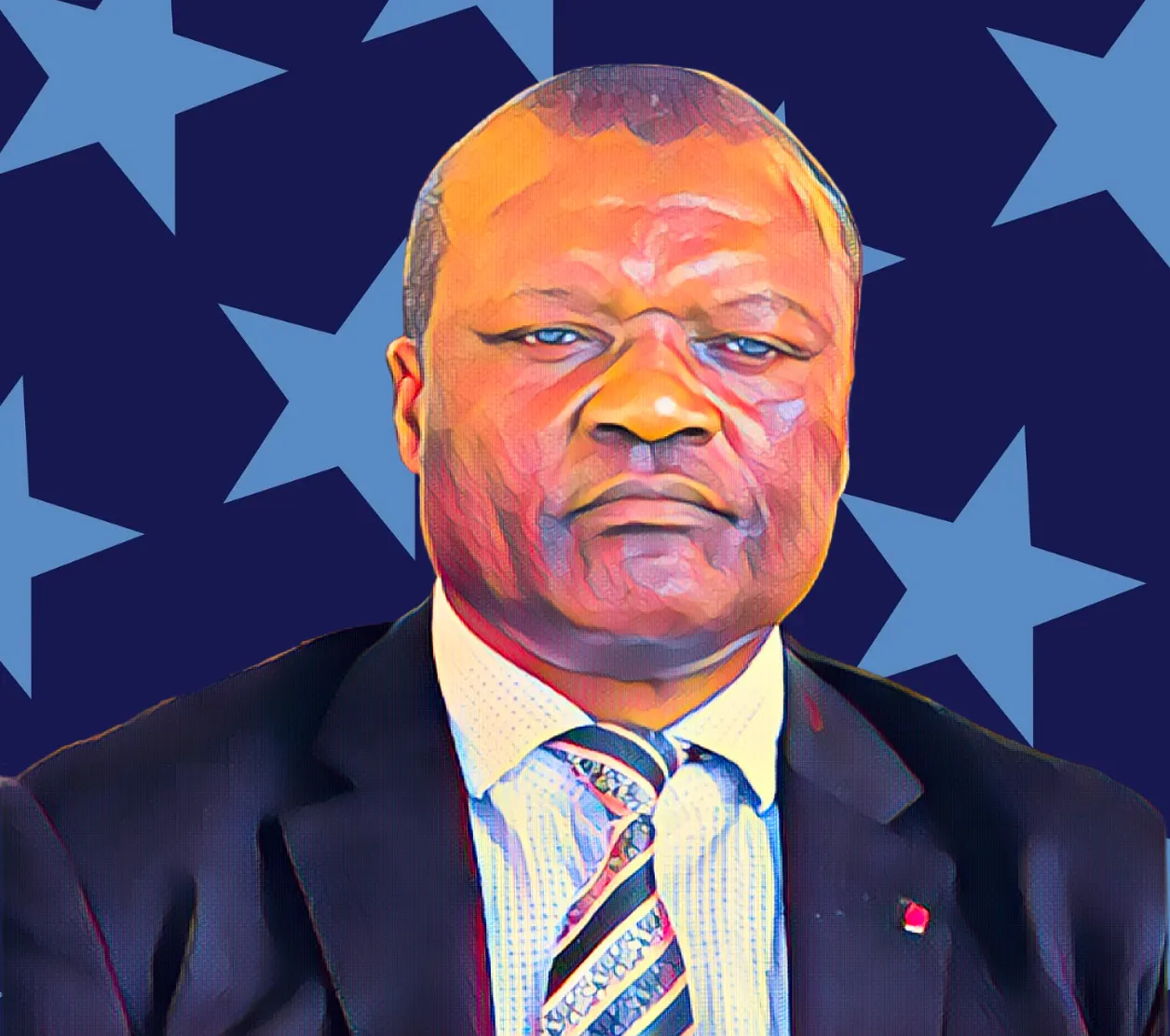
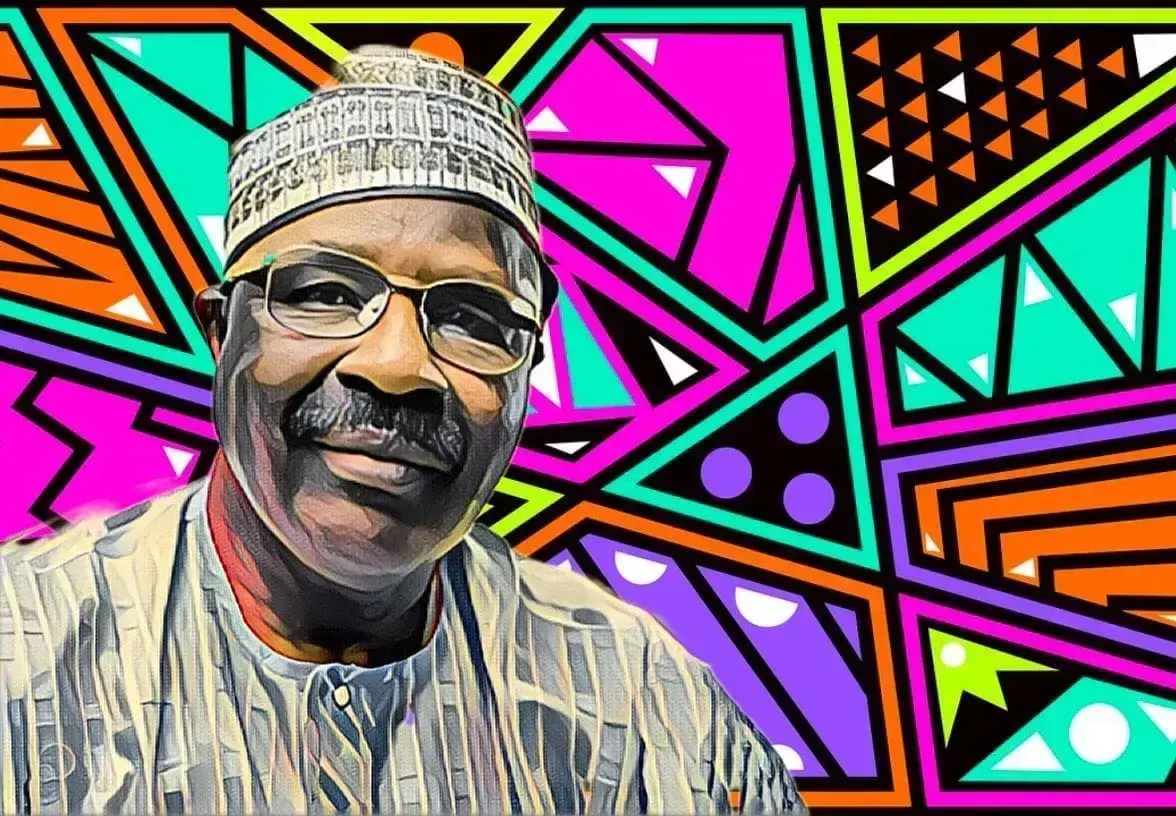
Danpullo was born in 1950 into a modest Fulani Muslim family in Cameroon's Northwest Region, and his early career bore no resemblance to the empire he would eventually control. He started as a truck driver and the owner of a few market stalls, the kind of work that produces calluses and patience but rarely produces capital. Guibaï Gatama, the Cameroonian editor of the weekly L'Oeil du Sahel, described him as coming from a modest family, beginning as a truck driver and small shopkeeper before he met Youssoupha Daouda, then Cameroon's Minister of Economy and Planning. Daouda was impressed by Danpullo's demonstrated ability to mobilize XAF4.5 million, approximately $726,000, over an extremely short period of time, an act of capital-raising that revealed a commercial talent the truck-driving job had been concealing. The minister connected him to Sadou Hayatou, then head of the International Bank for Commerce and Industry of Cameroon, who extended Danpullo an unsecured first loan of XAF500 million, approximately $807,000, to begin importing rice and flour. The license and the loan, granted on the strength of demonstrated capability rather than collateral, became the foundation of everything that followed.
What Danpullo has built since that 1980s import license is one of the most diversified privately held conglomerates in Francophone Africa, spanning Ndawara Tea Estates, one of Central Africa's largest tea producers, a 49 percent stake in Nexttel, Cameroon's third-largest mobile network operator, one of South Africa's largest privately held commercial real estate portfolios including office towers and shopping centres in Johannesburg, Cape Town and Port Elizabeth, and minority stakes in state-linked enterprises including Sodecoton and the country's national airports authority. He is, by Forbes Africa's repeated annual assessments, the wealthiest individual in Francophone sub-Saharan Africa.
The tea estate that built the foundation
Ndawara Tea Estate, sprawled across the rolling highlands of Cameroon's Northwest Region, is the largest privately held tea estate in West Africa, spanning more than 5,000 hectares of cultivated plantation across multiple units. Combined with the Cameroon Tea Estate, which Danpullo took over from the privatized state operator, his total tea holdings exceed 10,000 hectares across four units in three regions: the southwest, west and northwest. Production capacity runs to 8,000 tonnes per year, with 80 percent destined for export and 20 percent sold domestically. The tea estate is not a sentimental holding. It is the original cash engine that financed the diversification into telecoms, real estate and agro-processing that followed, and it remains the asset most closely identified with the Danpullo name in Cameroon.
The agricultural footprint extends well beyond tea. Elba Ranch, founded in 1976 as a private, family-run breeding operation, comprises three ranches, Ndawara, Esu and Batcham, and carries more than 20,000 French-origin cattle, primarily Charolais and Blonde Aquitaine breeds, alongside more than 3,000 Andalusian horses and several thousand sheep and goats. The largest specimen from his cattle herd was exhibited at the Ebolowa agro-pastoral show, where it reportedly amazed Cameroon's head of state, Paul Biya. Through Moulin Coq Rouge, his flour mill, Danpullo has built a position in basic food processing that mirrors the strategic logic of the import licenses that started his career four decades earlier: control the staple commodities that a growing population needs, and the cash flow compounds with demographic certainty.
The agro-industrial portfolio's most instructive episode came in 2015, when most African business leaders were retreating in the face of a continental economic downturn driven by collapsing commodity prices. Danpullo invested CFA4 billion, approximately $6.6 million, to double the production capacity of Moulin Coq Rouge, a contrarian bet on domestic flour demand at a moment when capital was fleeing African markets. The same year, he strengthened his investments in telecommunications, with Nexttel recording a 54 percent surge in activity and revenues climbing to CFA21 billion, approximately $34.6 million. The pattern, investing aggressively at the moment of maximum market fear, has been the consistent signature of his career.
Nexttel and the bet on a third operator
Nexttel, operating under the legal name Viettel Cameroon SA, is a joint venture between Viettel Global Investment JSC, the Vietnamese state telecom company, and Bestinver Cameroun SARL, Danpullo's Cameroonian holding entity, in which he holds a 49 percent stake. Launched commercially in September 2014 as Cameroon's third mobile network operator and the country's pioneer of 3G technology, Nexttel has invested XAF250 billion, approximately $403.5 million, since entering the market, building a distribution network with coverage estimated at more than 85 percent of national territory, 3.6 million subscribers, more than 1,000 direct employees and over 60,000 secondary jobs supported through its agent and reseller network. The investment positioned Danpullo as the indigenous Cameroonian partner in a market otherwise dominated by foreign-owned MTN and Orange.
The South African expansion and Marble Towers
Danpullo's wealth-building took a deliberate turn southward decades ago, when he began extending his capital into South Africa's commercial property market. The Baba Ahmadou Group built one of South Africa's largest privately held commercial real estate portfolios over more than 35 years, including office towers and shopping centres across Johannesburg, Cape Town and Port Elizabeth. The crown asset was Marble Towers in Johannesburg, one of Africa's tallest buildings, alongside Thibault Square in Cape Town. The South African expansion reflected the same instinct that drove his tea and telecom investments: identify an asset class with durable cash flows, secure financing through demonstrated capability rather than excess collateral, and build at scale rather than incrementally.
Danpullo's wealth has been independently estimated by Forbes Africa at approximately 547 billion FCFA, or roughly $940 million, making him the wealthiest individual in Francophone sub-Saharan Africa. From a truck cab and a handful of market stalls in Cameroon's Northwest Region, he built a fortune that now spans tea plantations, cattle ranches, a national telecom operator, and commercial towers on two continents, a trajectory built entirely on the capital-raising instinct a government minister first noticed in him more than four decades ago.
The intelligence satisfies curiosity. The paid briefings satisfy strategy.
Every Monday, Elite subscribers receive an Investor Memo breaking down the deal, the structure and the positioning behind the week's most consequential African wealth story - the kind of analysis that doesn't appear anywhere else.
Twice a month, a Wealth Intelligence brief profiles a single billionaire's holdings, cash flows and expansion pipeline in detail no public source matches.
→ Executive ($25/mo): Daily newsletter + Deep-Dive Reports
→ Elite ($75/mo): Everything above + Investor Memos + Wealth Intelligence + Quarterly Analyst Briefings
Subscribe now